Your Guide to Thriving Indoor Plants
Keep Your Houseplants Happy & Healthy
Master the art of plant parenthood with our comprehensive care guides. From low-light survivors to tropical beauties, learn how to keep every plant in your home thriving.
16+ Houseplants
Detailed care guides for popular plants
Watering Tips
Never over or underwater again
Light Requirements
Find the perfect spot for every plant
Plant Care Guide
Houseplant Collection
Browse our curated collection of popular houseplants with detailed care guides to help you keep your plants thriving.
Showing 68 plants
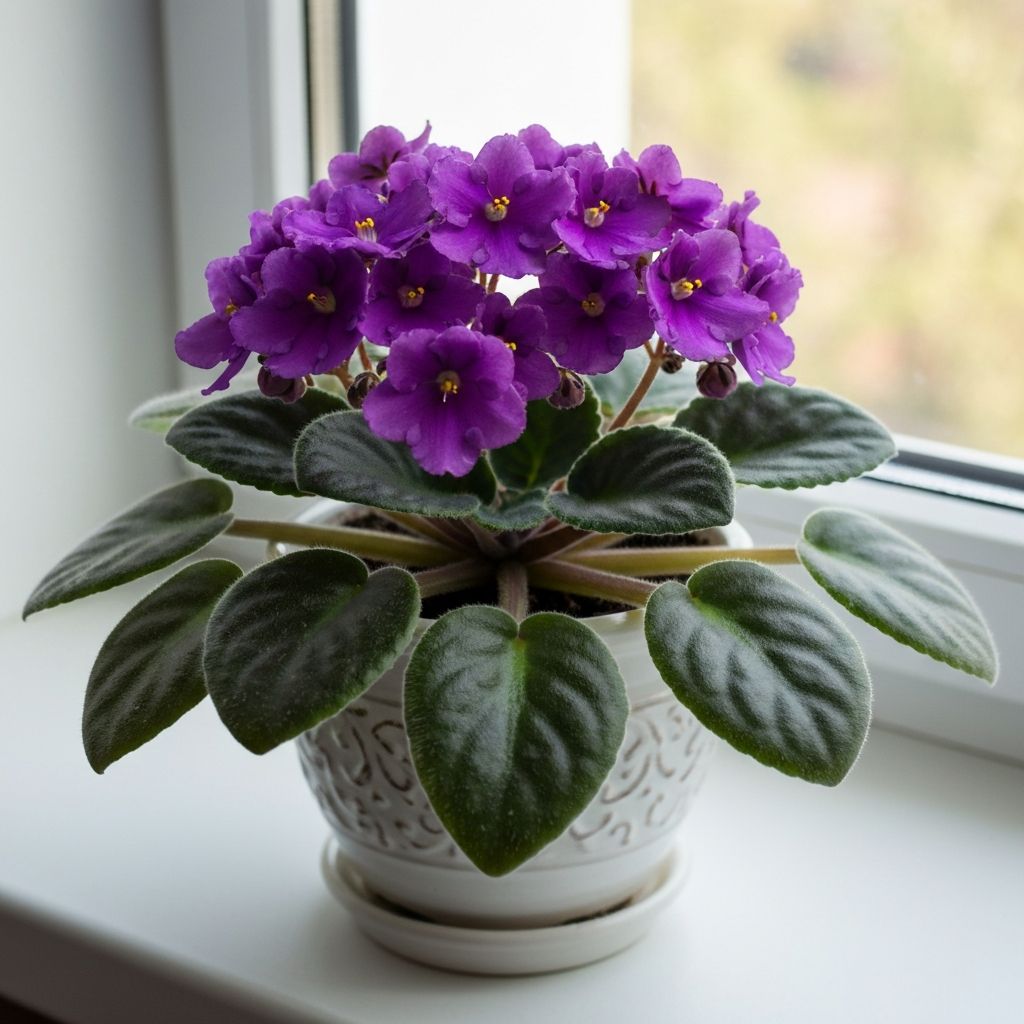
African Violet
Saintpaulia ionantha
A beloved flowering houseplant that produces clusters of velvety flowers in purple, blue, pink, white, and more. Compact and relatively easy to keep blooming year-round with proper care.
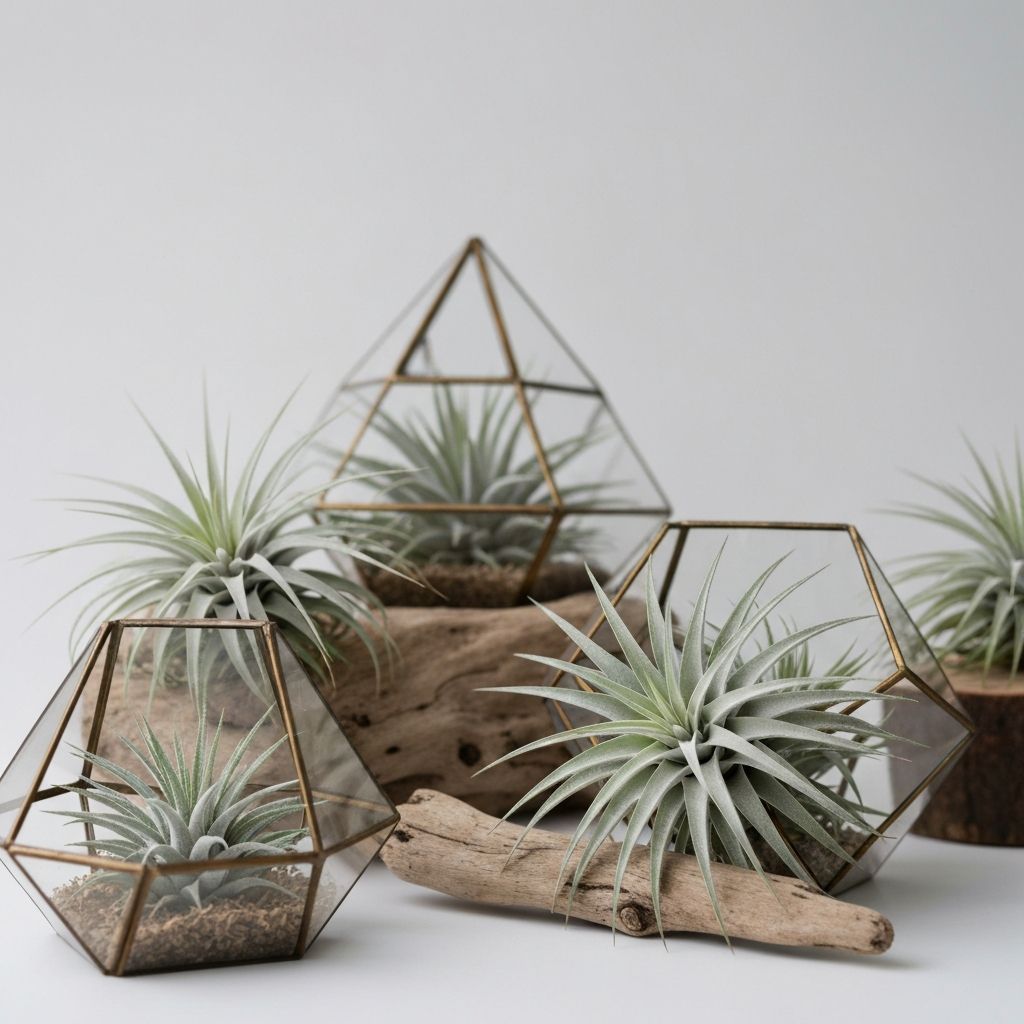
Air Plant
Tillandsia species
Unique plants that don't need soil - they absorb water and nutrients through their leaves. Perfect for creative displays and terrariums. Over 600 species exist with different shapes and sizes.
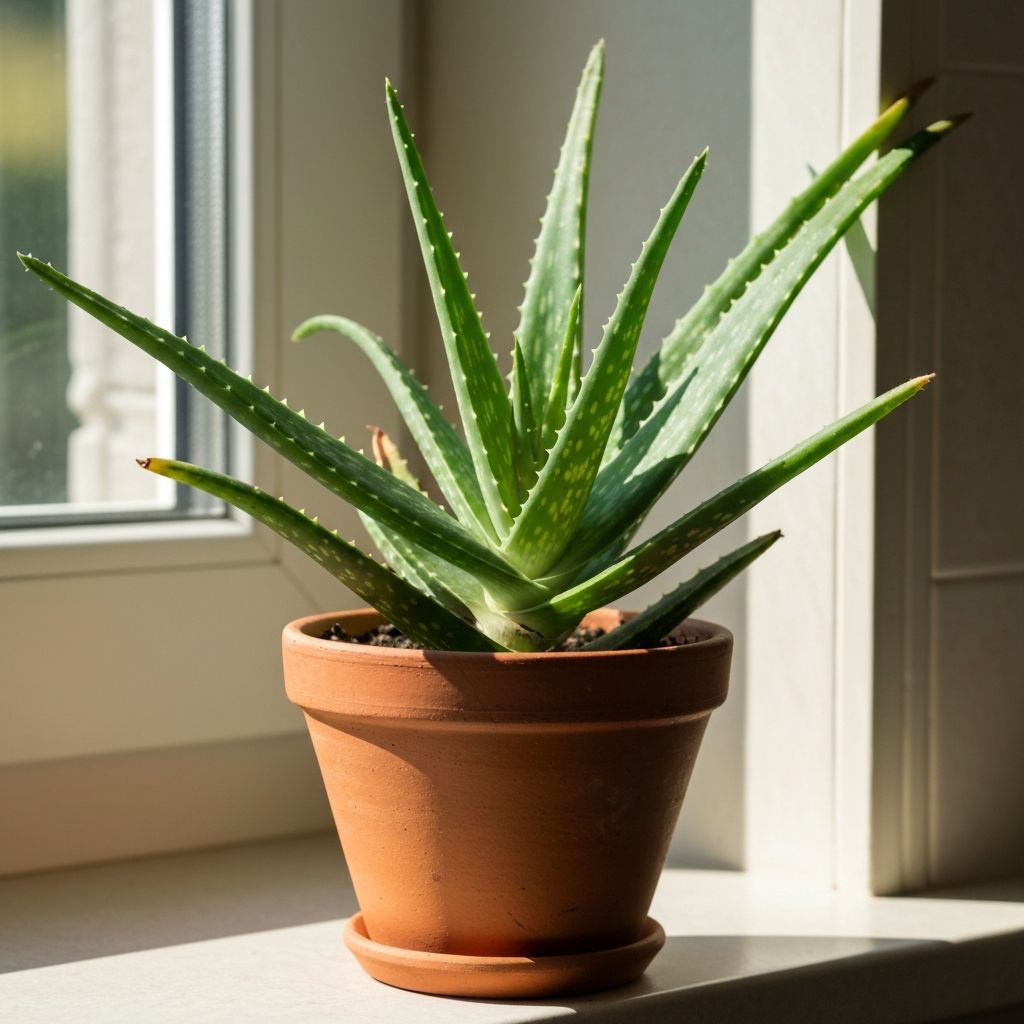
Aloe Vera
Aloe barbadensis miller
A practical succulent known for its soothing gel found inside thick, fleshy leaves. Beyond its medicinal uses for burns and skin irritation, it's an attractive, low-maintenance plant that thrives with minimal care.
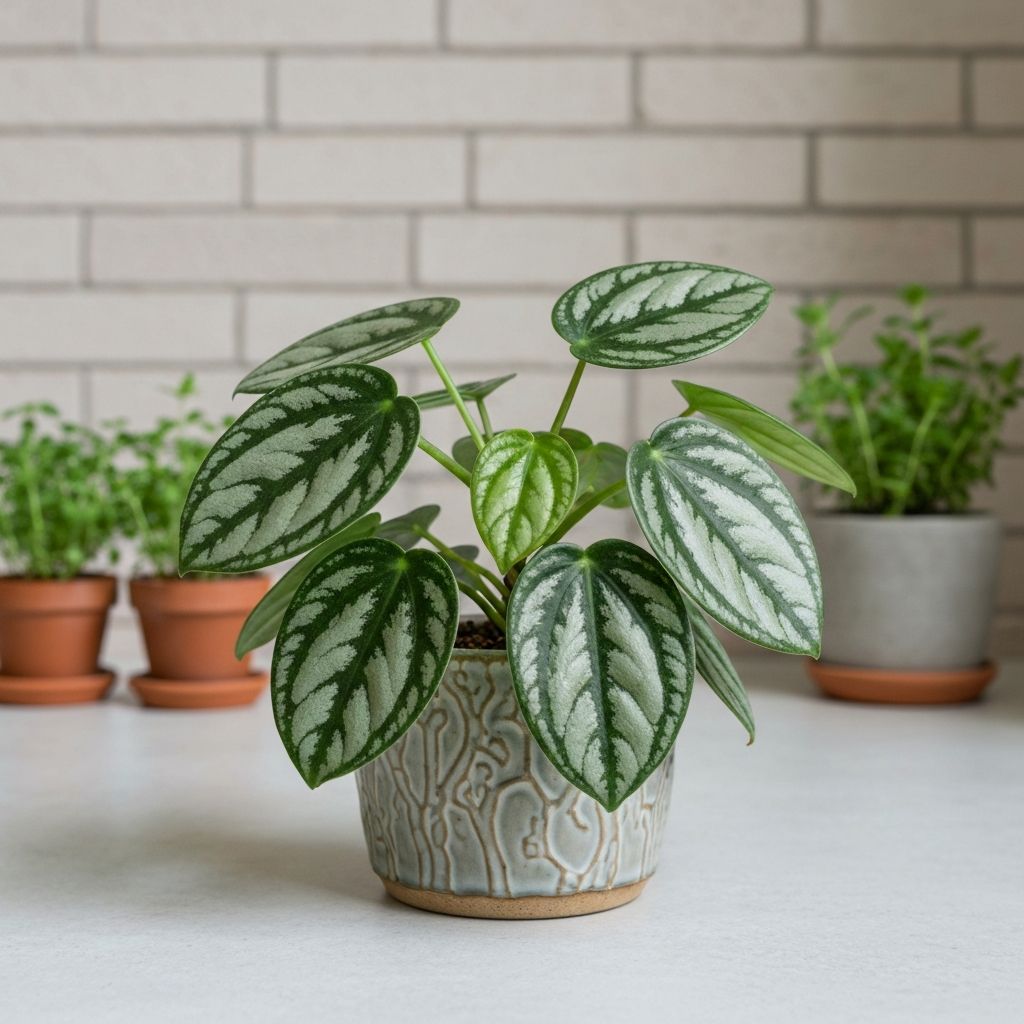
Aluminum Plant
Pilea cadierei
A compact plant with oval leaves featuring raised silver patches that give it a metallic appearance. Easy to grow and maintain, making it perfect for beginners.
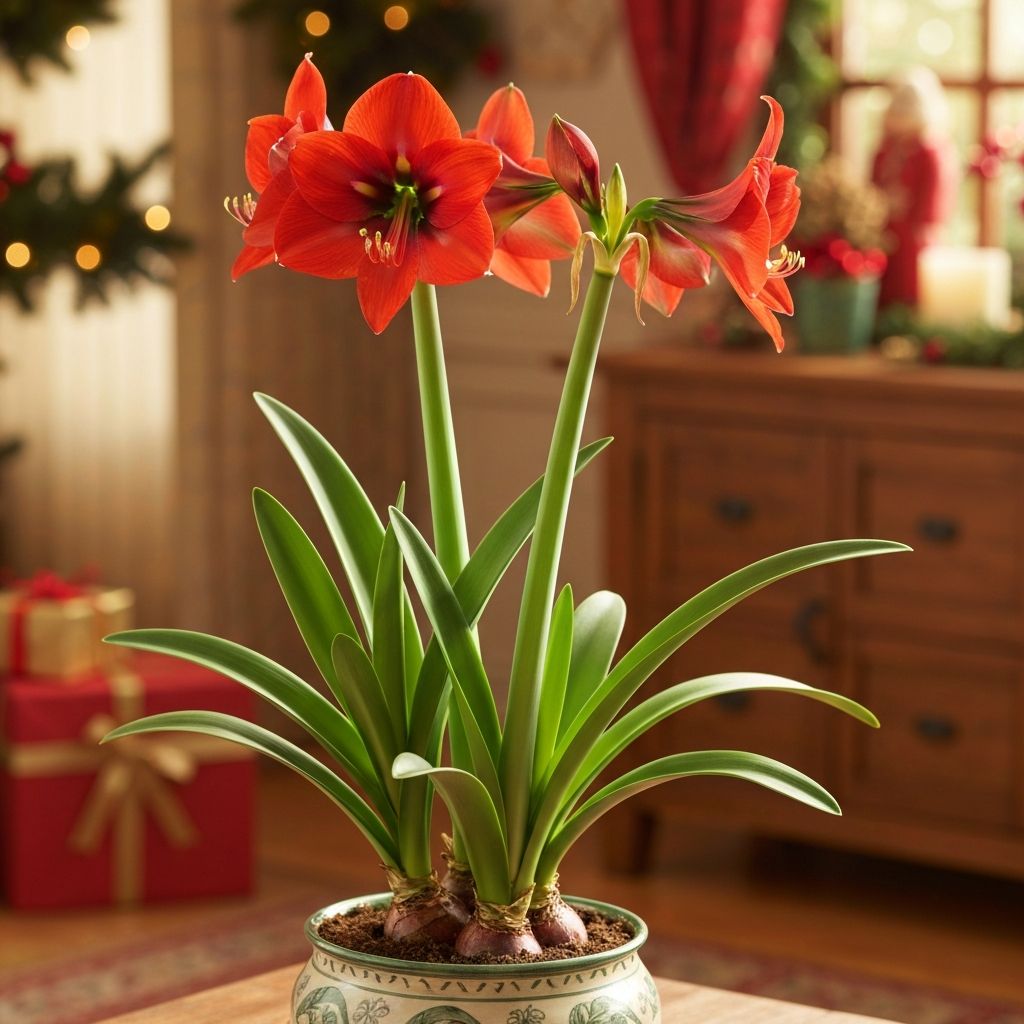
Amaryllis
Hippeastrum species
A stunning bulb plant that produces huge trumpet-shaped flowers in red, pink, white, or striped patterns. Popular as a holiday gift, the dramatic blooms can be enjoyed year after year with proper care.
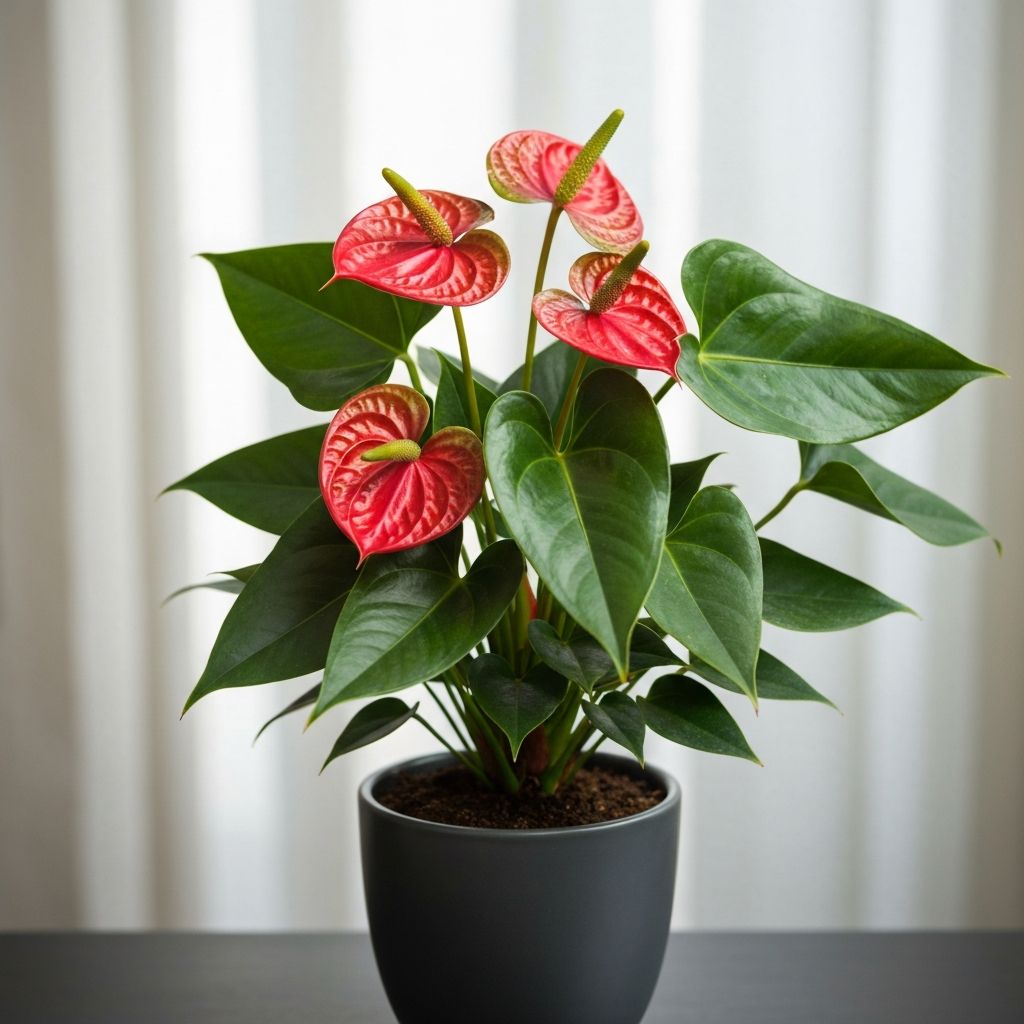
Anthurium
Anthurium andraeanum
Known as the Flamingo Flower, this tropical beauty produces waxy, heart-shaped flowers in shades of red, pink, white, or purple year-round. The glossy flowers are actually modified leaves called spathes.
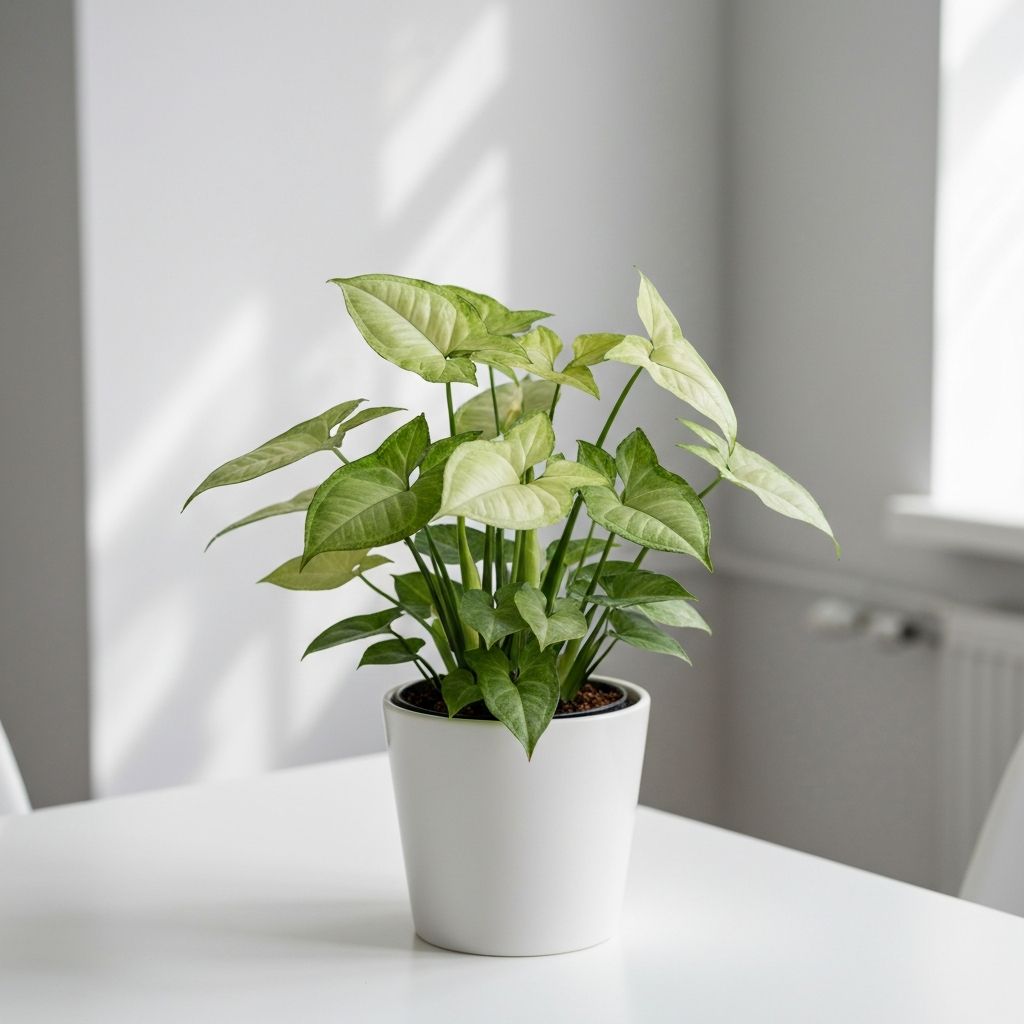
Arrowhead Plant
Syngonium podophyllum
Named for its arrow-shaped leaves, this versatile plant changes leaf shape as it matures. Young plants are bushy; mature plants become vining. Available in many colors from green to pink to white.
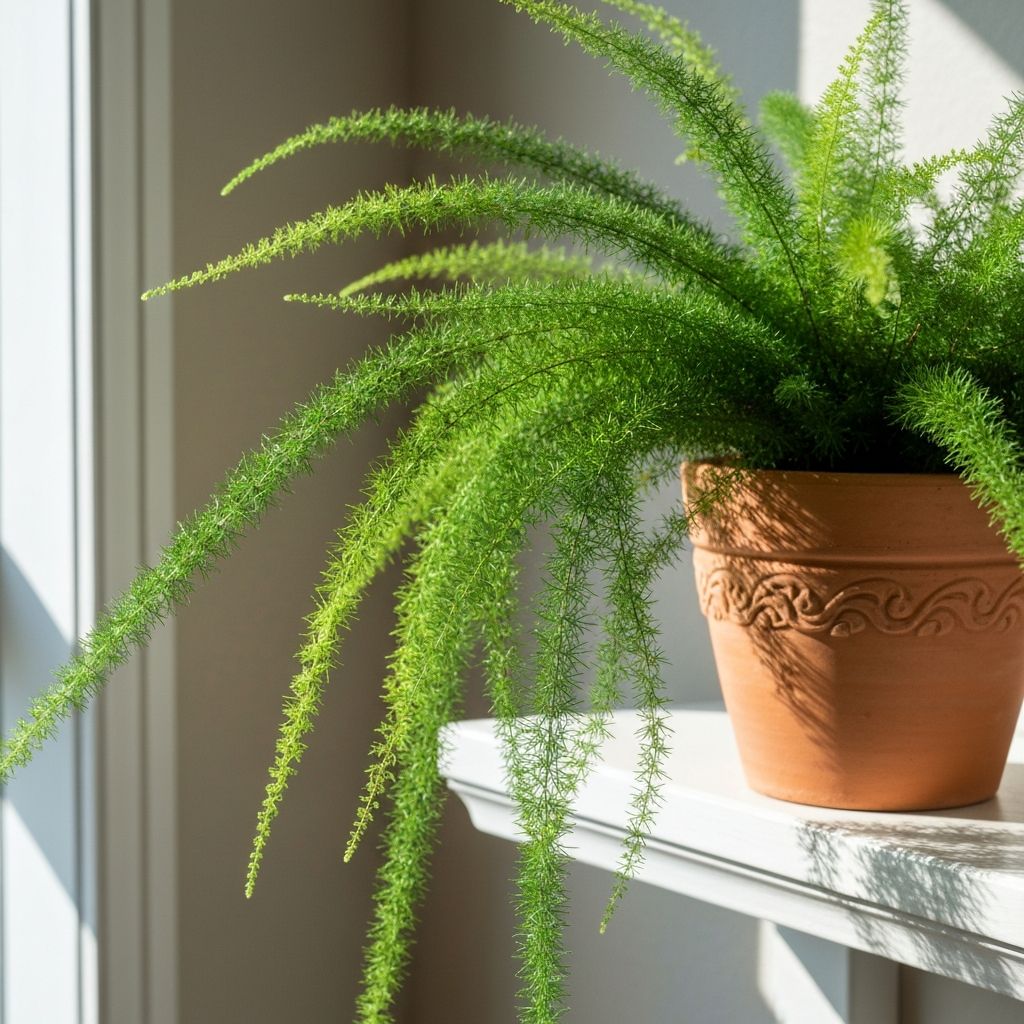
Asparagus Fern
Asparagus setaceus
Despite its name, this plant is not actually a fern but a member of the lily family. Its delicate, feathery foliage adds an airy, graceful touch to any space. Can trail or climb.
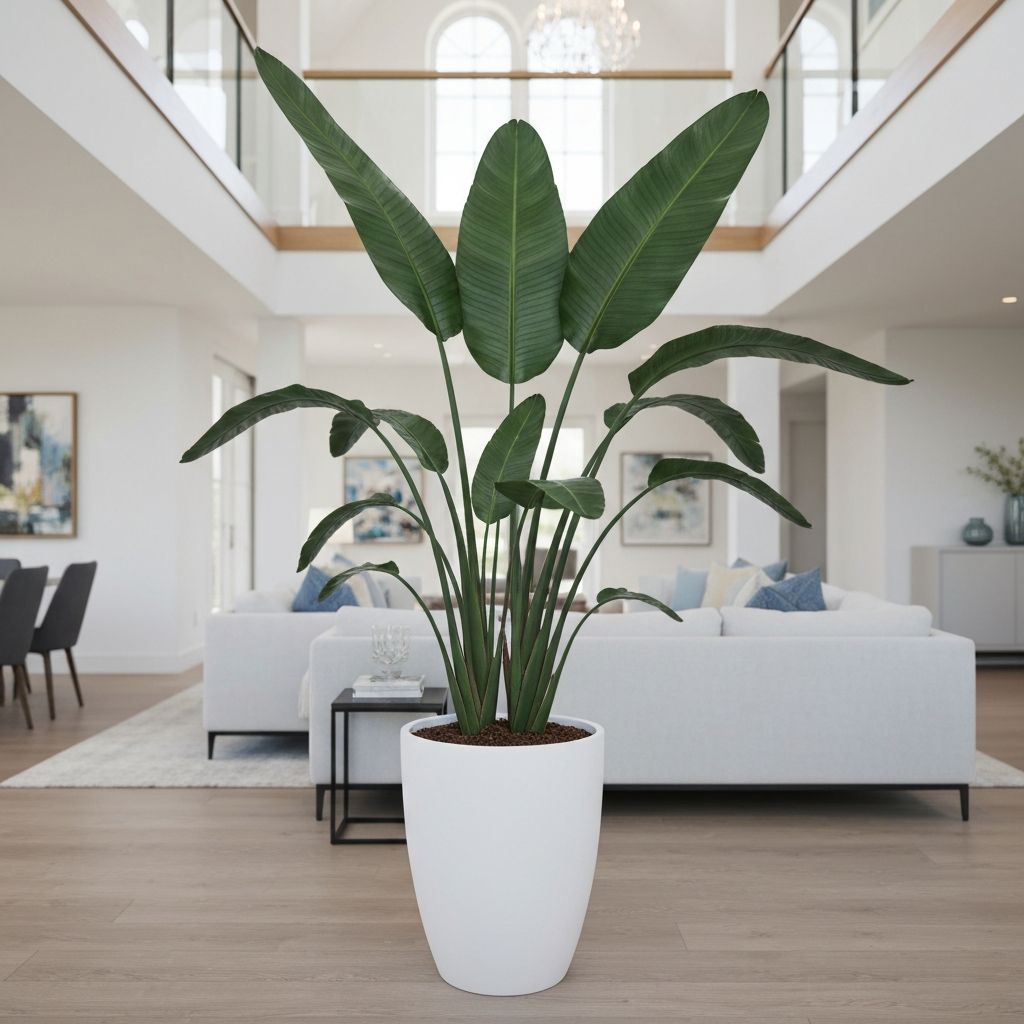
Bird of Paradise
Strelitzia reginae
A stunning tropical plant with large, banana-like leaves that brings instant drama to any room. Named for its exotic orange and blue flowers that resemble a bird in flight, though indoor plants rarely bloom.
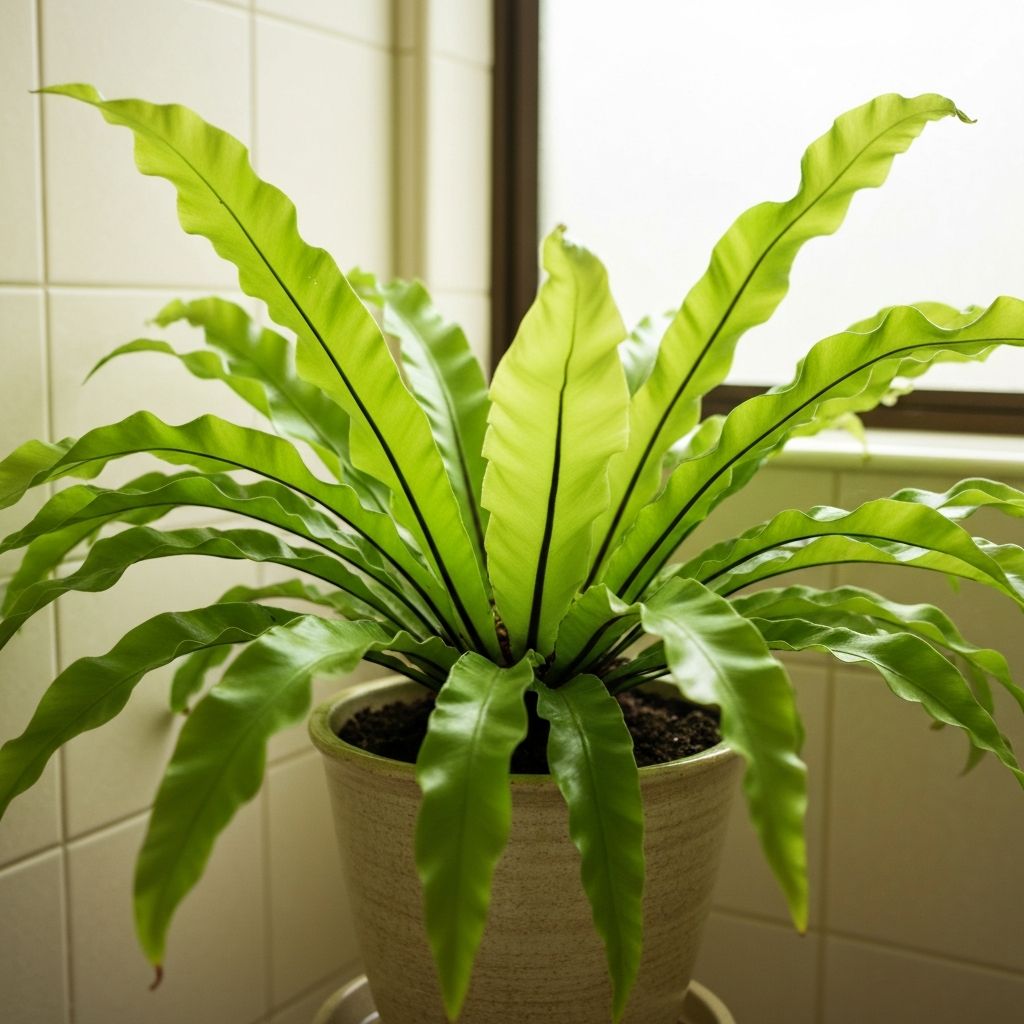
Bird's Nest Fern
Asplenium nidus
Unlike typical feathery ferns, this species has broad, wavy fronds that unfurl from a central rosette resembling a bird's nest. Glossy and architectural, it adds tropical elegance to any space.
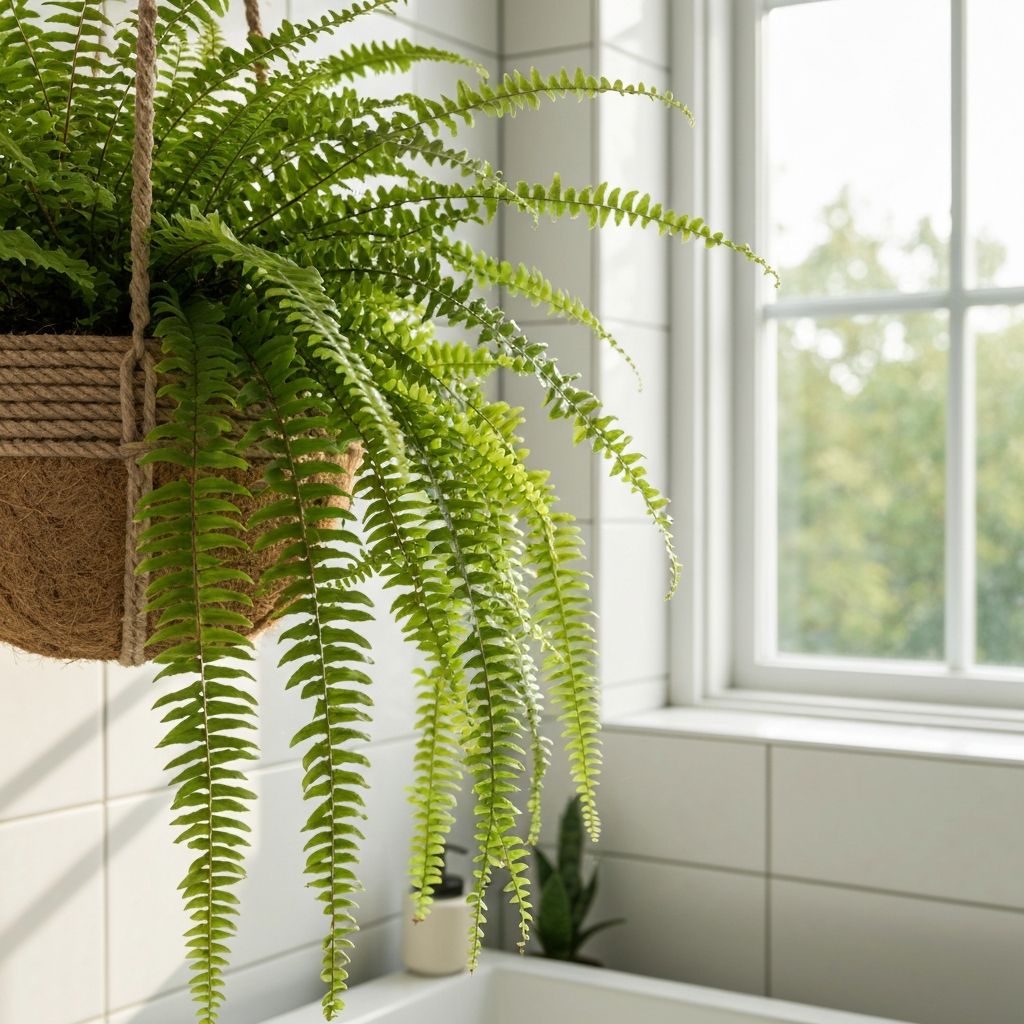
Boston Fern
Nephrolepis exaltata
A lush, feathery fern with graceful arching fronds. Classic houseplant that thrives in humid environments. Perfect for hanging baskets or pedestals where fronds can cascade beautifully.
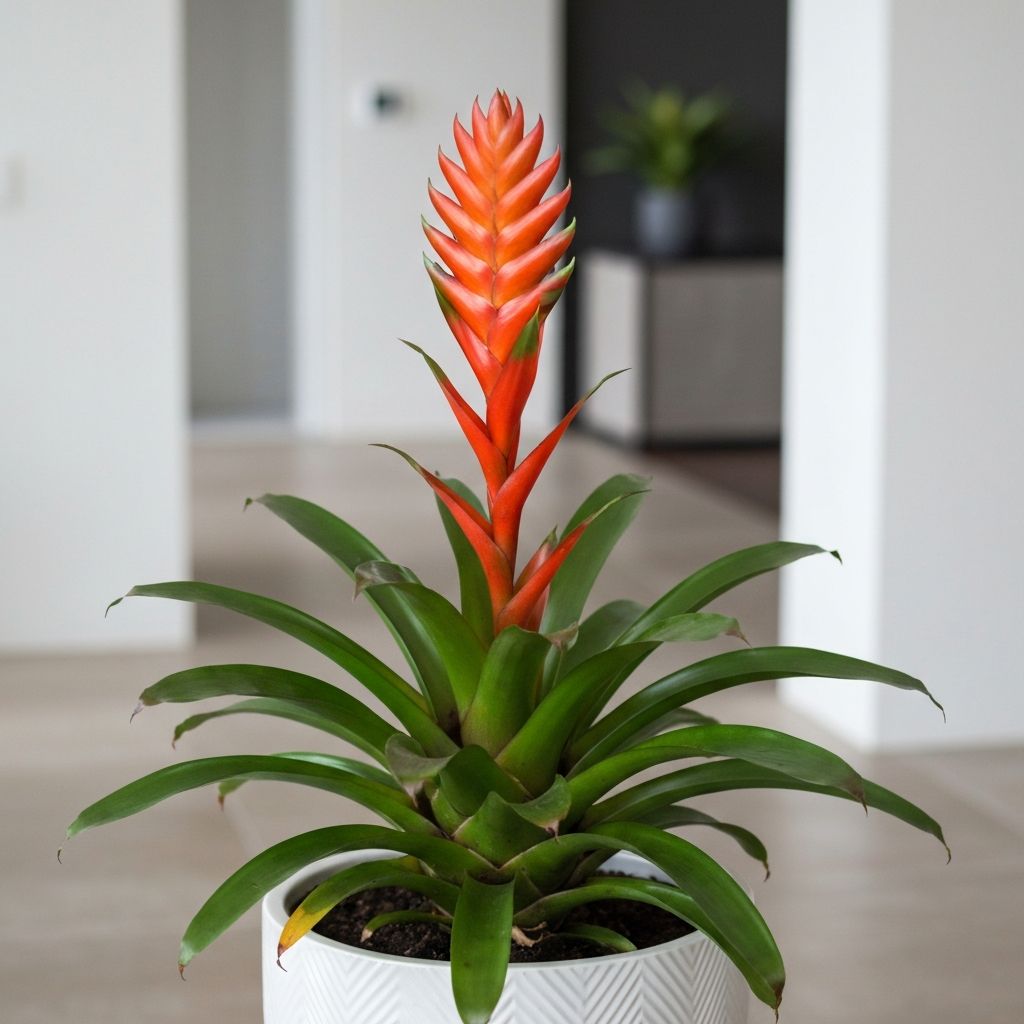
Bromeliad
Guzmania species
Exotic tropical plants with colorful flower bracts that last for months. The central cup-like rosette makes them unique among houseplants. They bloom once, produce pups, then slowly die.
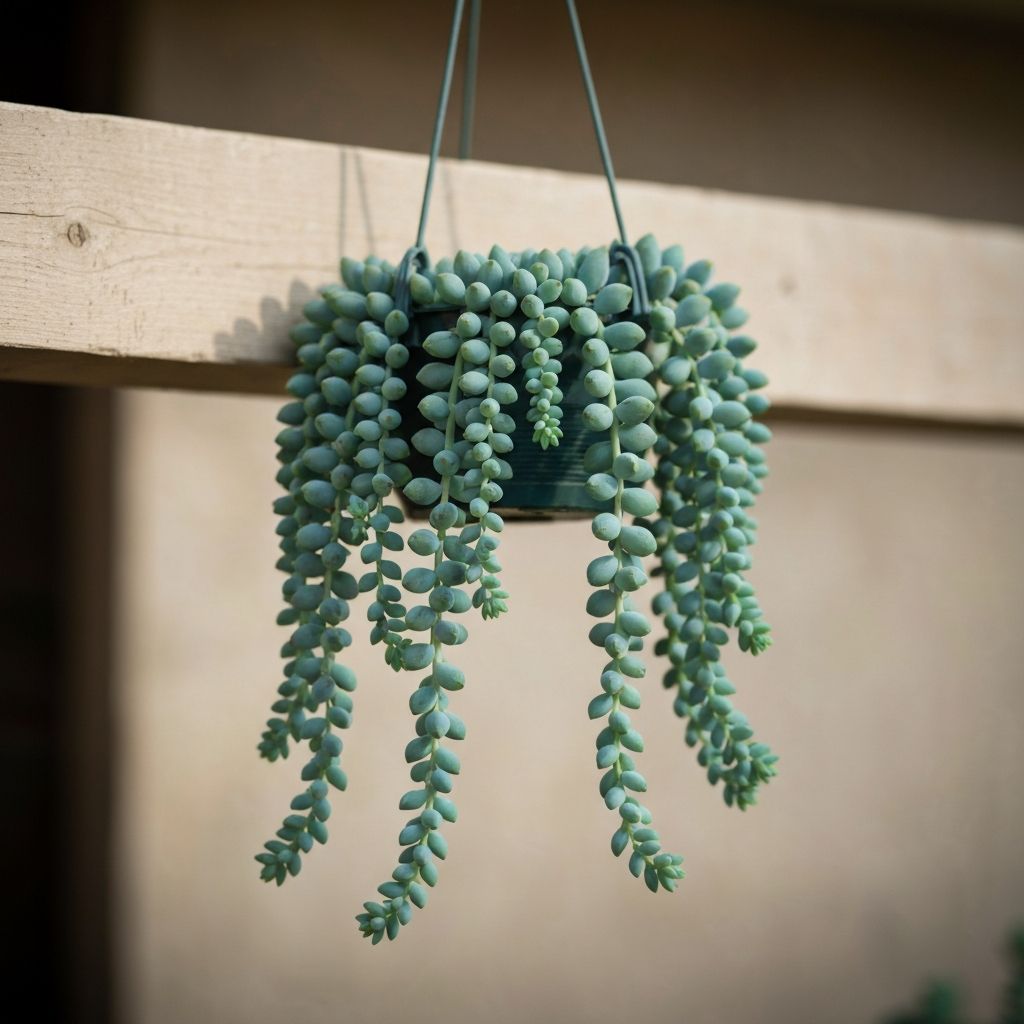
Burro's Tail
Sedum morganianum
A beautiful trailing succulent with plump, blue-green leaves tightly packed along cascading stems. Delicate - leaves fall off at the slightest touch but root easily.
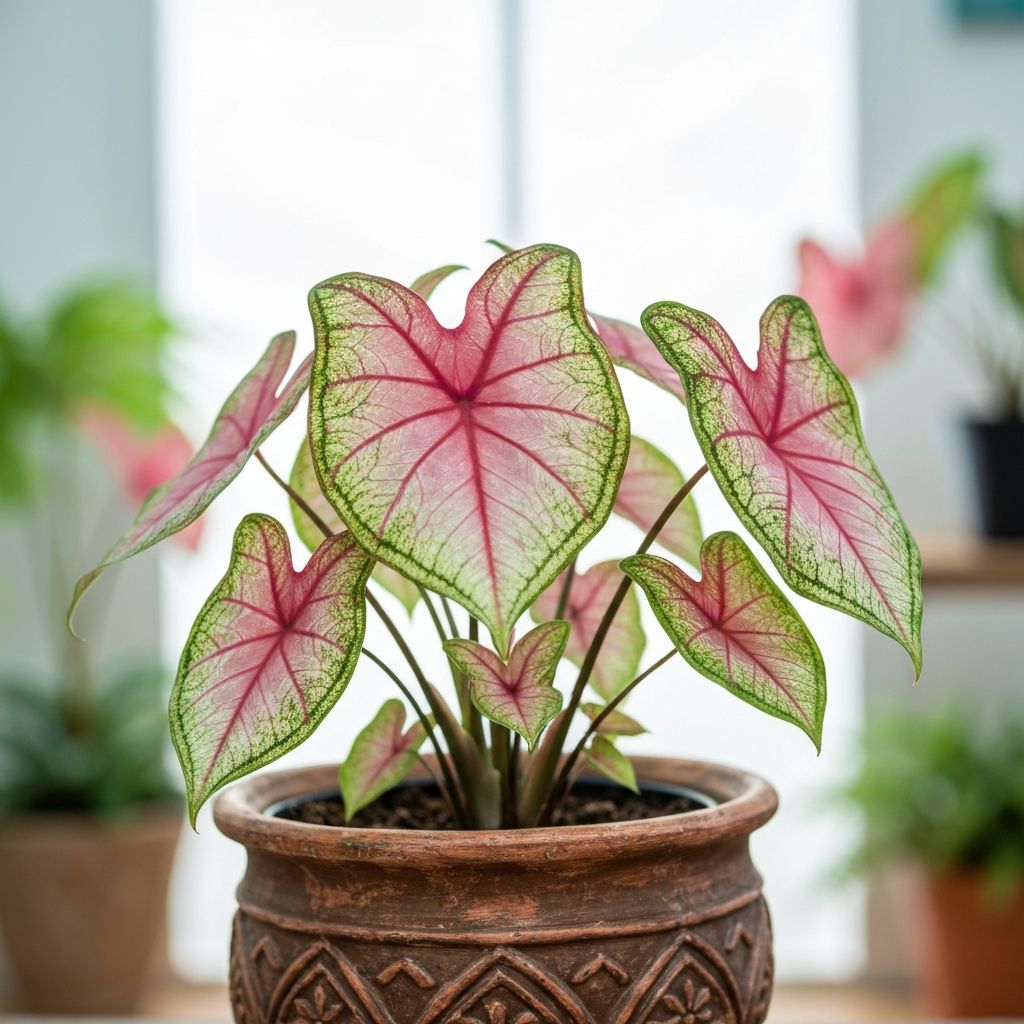
Caladium
Caladium bicolor
Grown for its spectacular heart-shaped leaves in stunning combinations of red, pink, white, and green. A tropical tuber that goes dormant in winter but returns each spring.
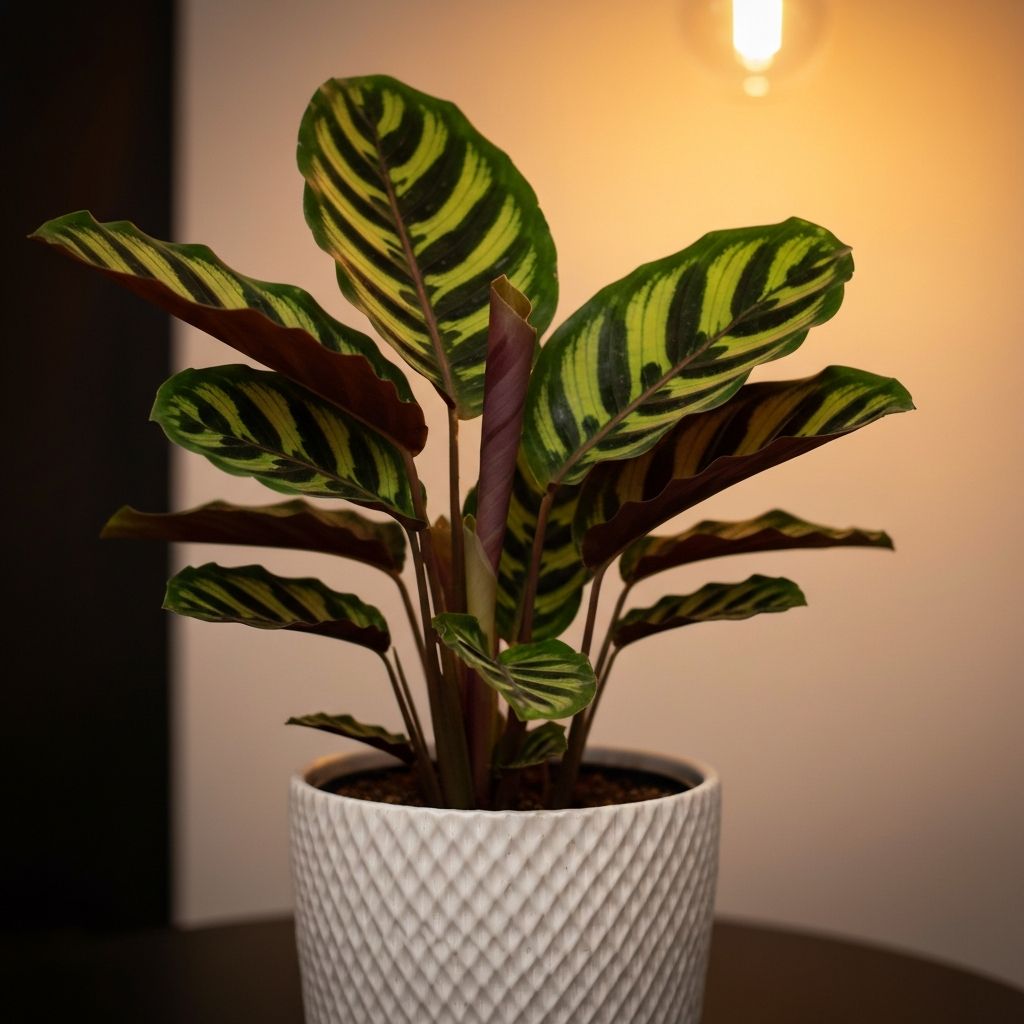
Calathea
Calathea species
Known as Prayer Plants for their leaves that fold up at night, Calatheas feature stunning patterned foliage in various colors. Beautiful but demanding - they require consistent humidity and watering to thrive.
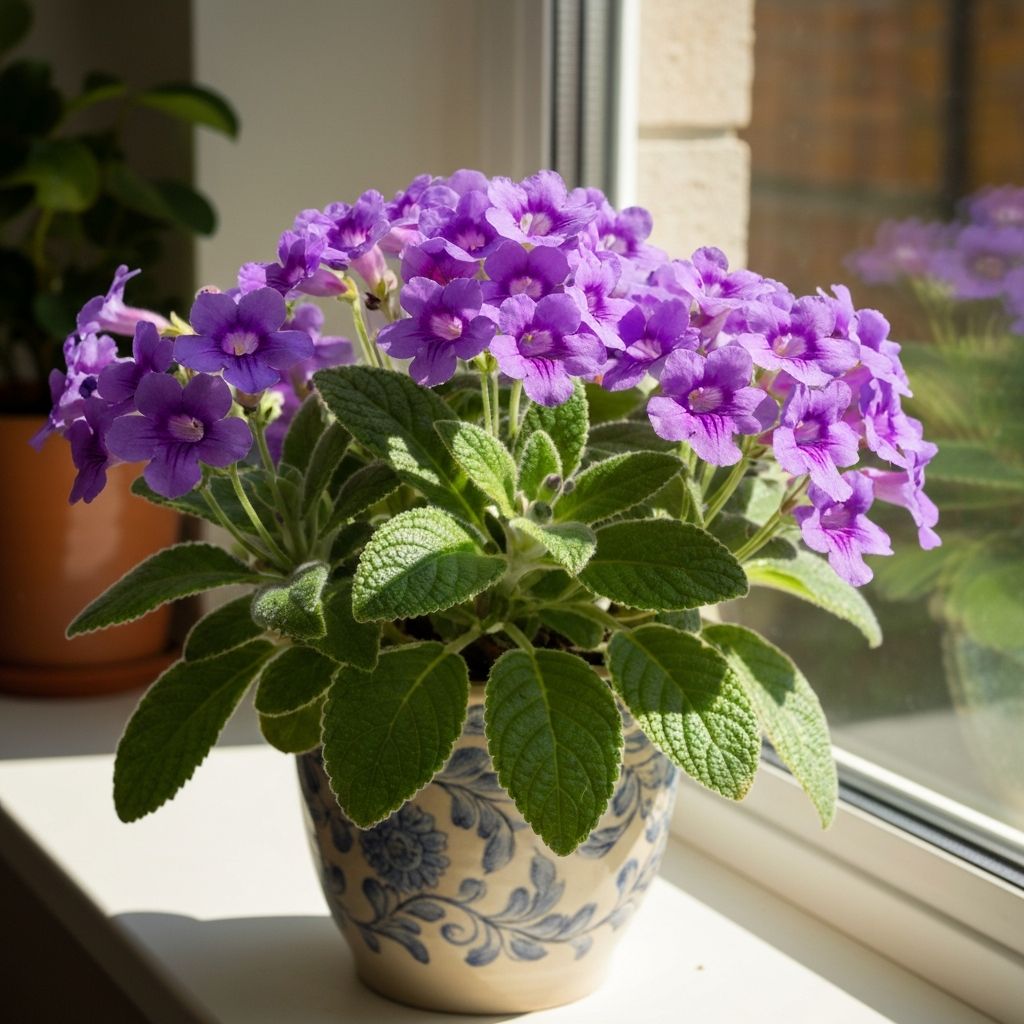
Cape Primrose
Streptocarpus species
Related to African Violets, these flowering plants produce beautiful trumpet-shaped blooms in purple, pink, white, and bicolors. Easier than African Violets and bloom for months.
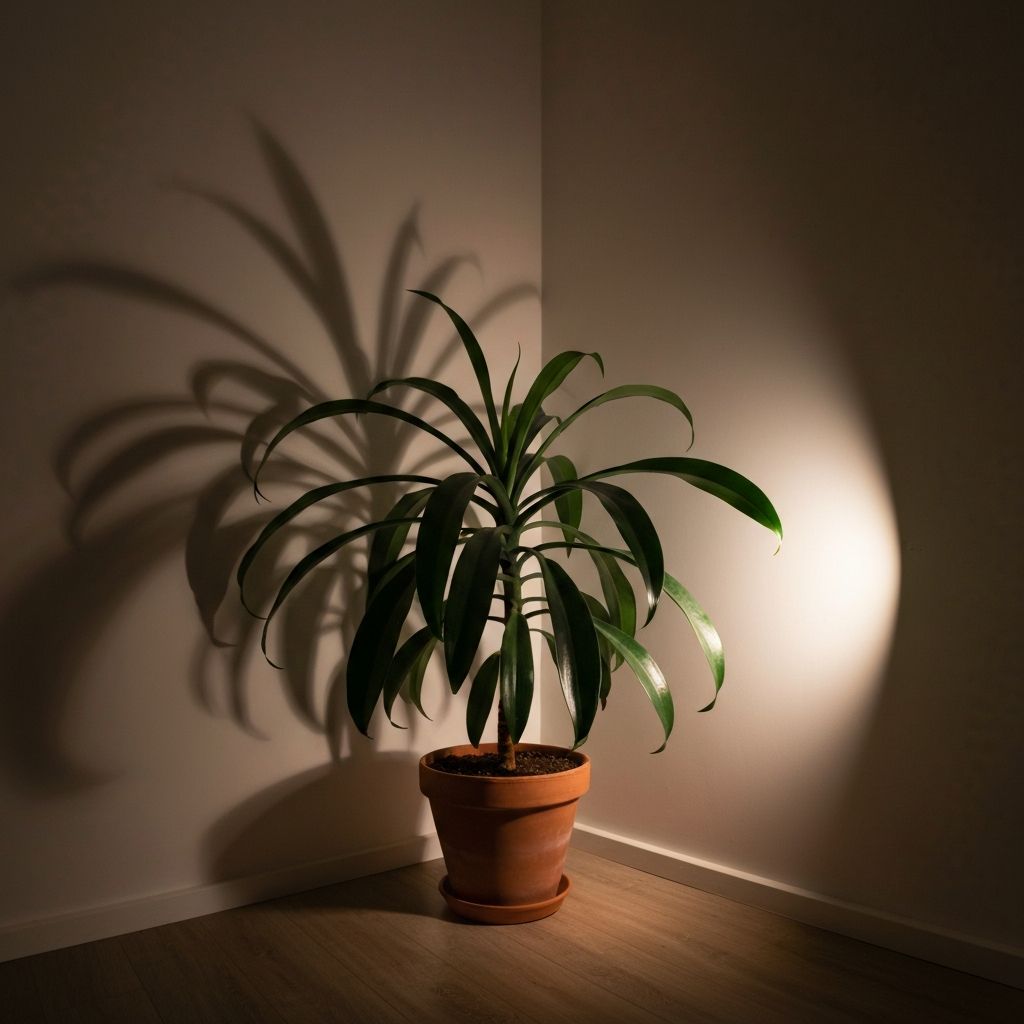
Cast Iron Plant
Aspidistra elatior
True to its name, this virtually indestructible plant survives conditions that would kill most houseplants. With its elegant, dark green arching leaves, it thrived in dimly lit Victorian parlors and continues to be a favorite for challenging spaces.
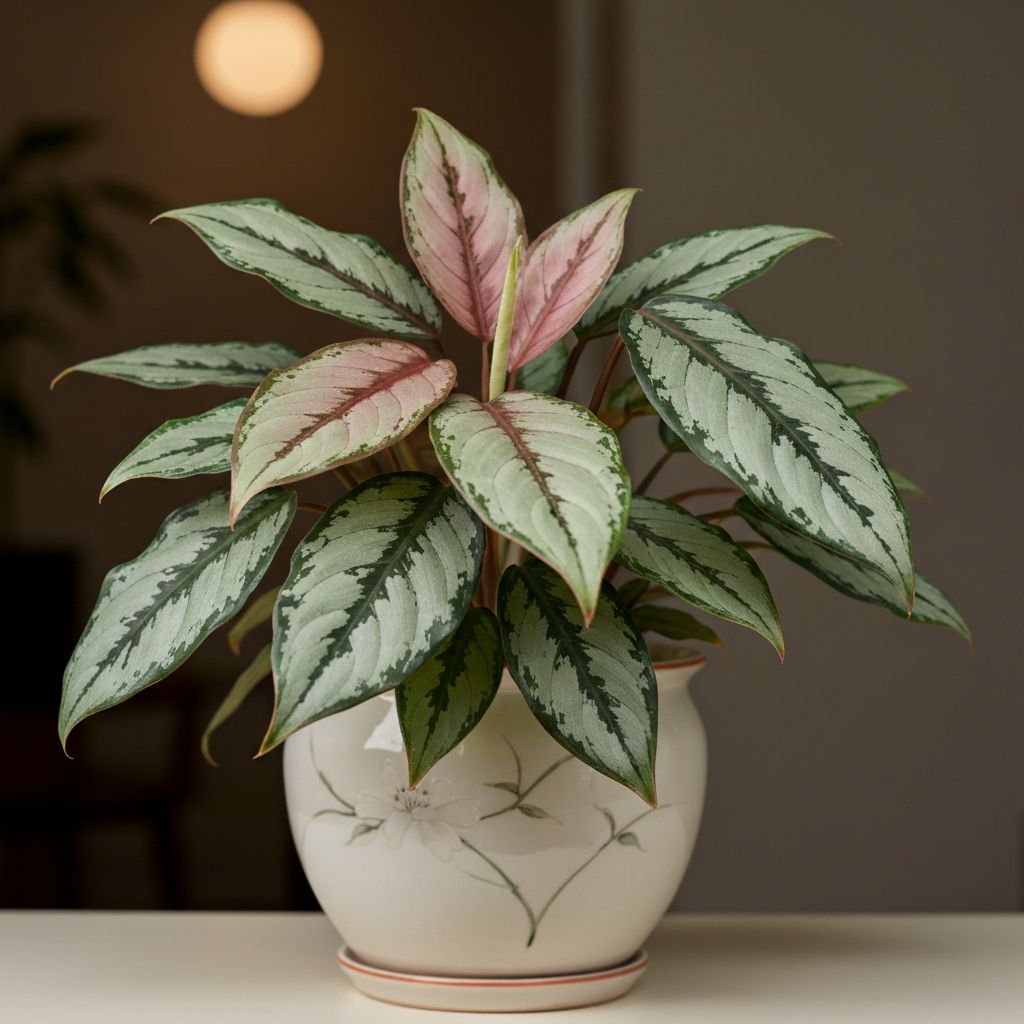
Chinese Evergreen
Aglaonema commutatum
A stunning foliage plant with beautifully patterned leaves in combinations of green, silver, pink, and red. Tolerates low light better than most colorful plants and is very forgiving of occasional neglect.
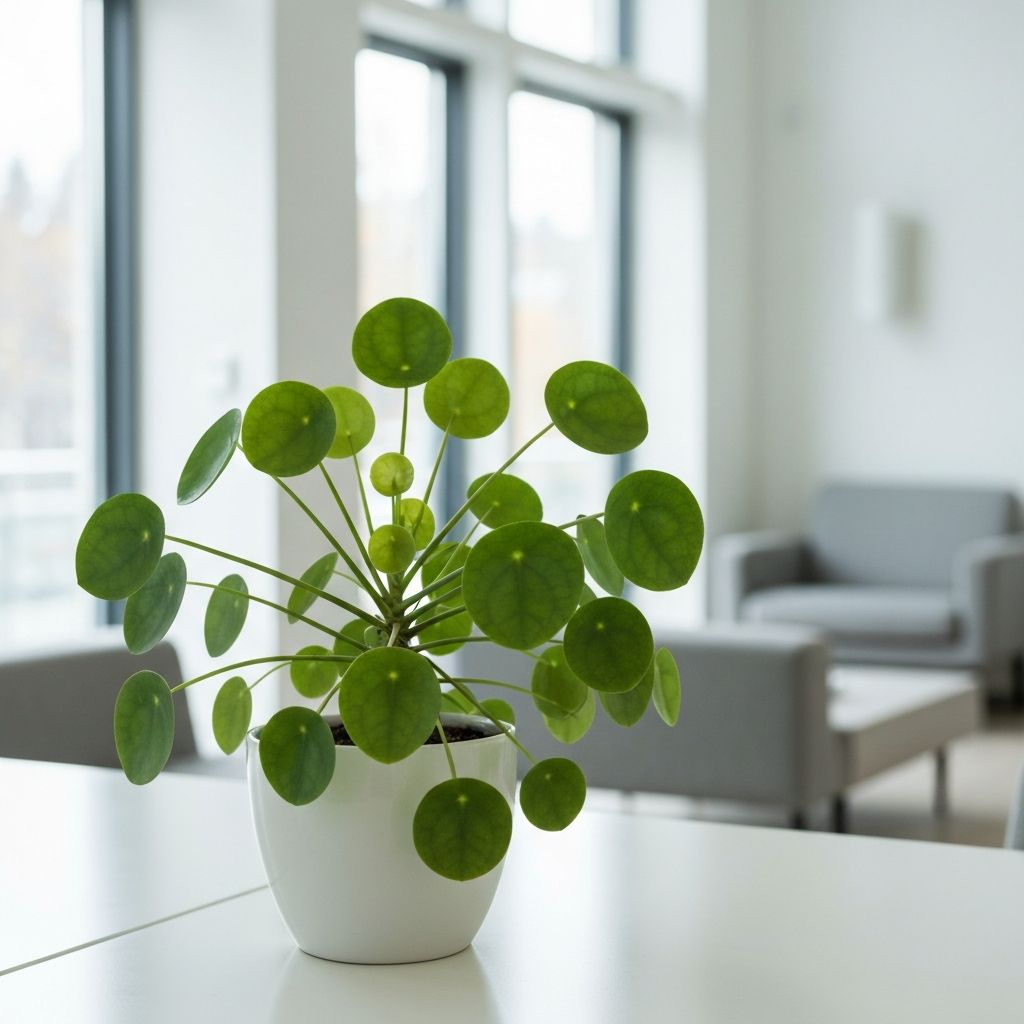
Chinese Money Plant
Pilea peperomioides
This quirky plant with round, coin-shaped leaves on long petioles has become an Instagram sensation. Easy to care for and easy to propagate, it produces lots of babies to share with friends.
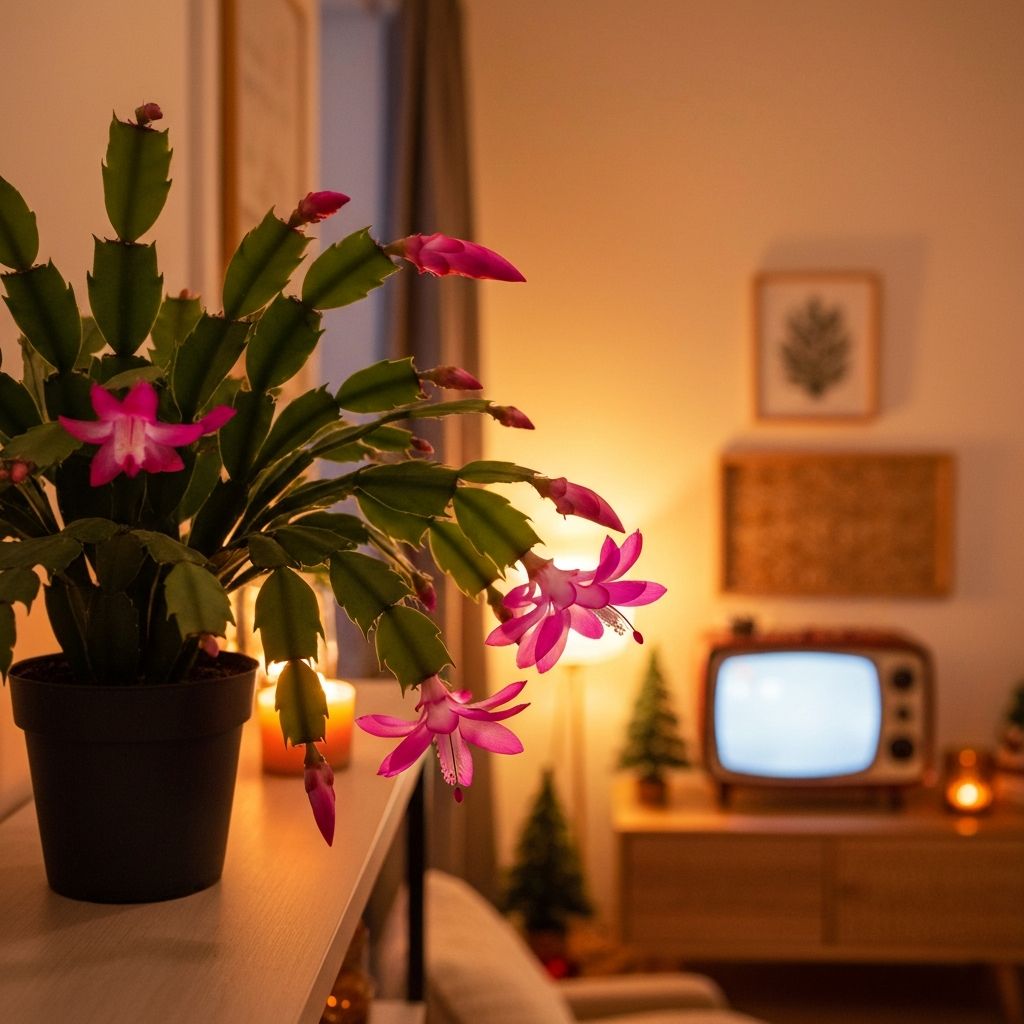
Christmas Cactus
Schlumbergera x buckleyi
A beloved holiday plant that produces stunning tubular flowers in pink, red, white, or purple around Christmas time. Easy to care for and can live for decades, often becoming heirloom plants passed down through generations.
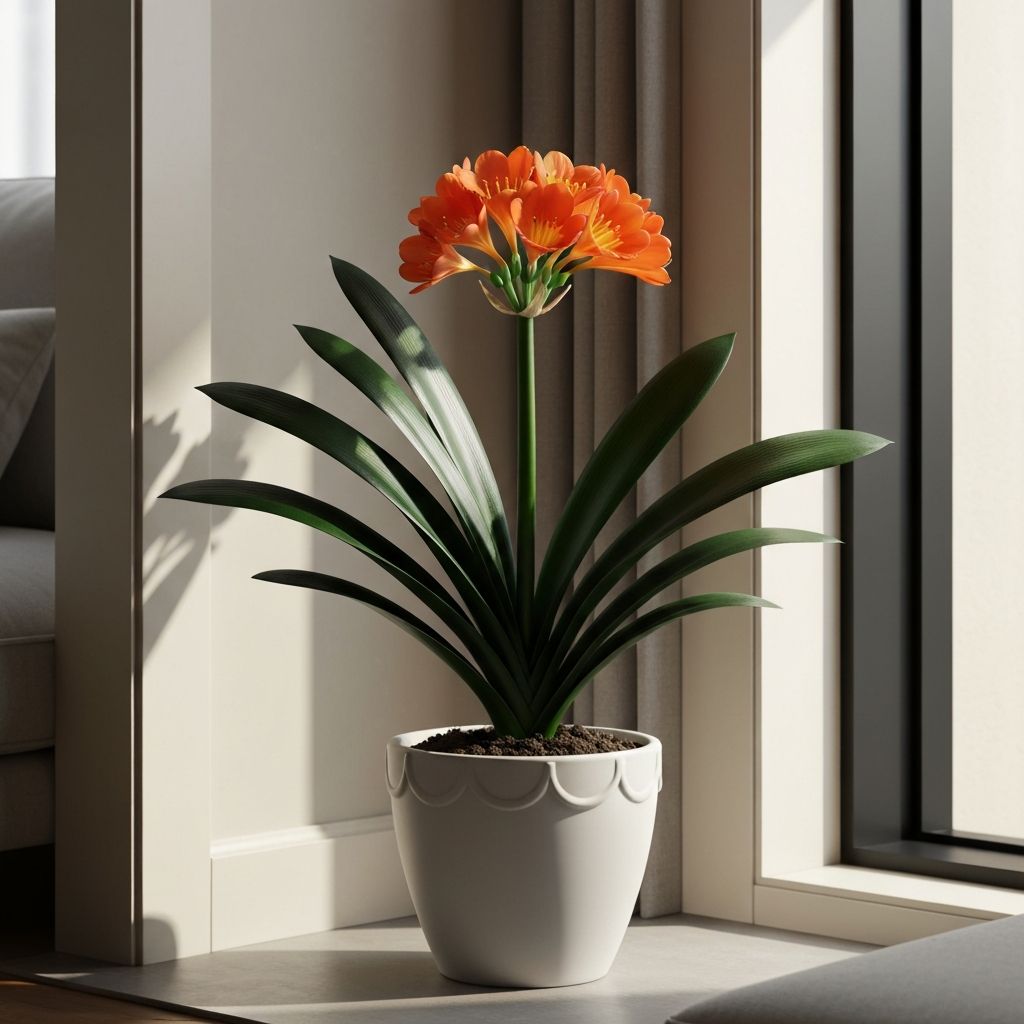
Clivia
Clivia miniata
A shade-loving plant that produces stunning clusters of trumpet-shaped orange or yellow flowers above strap-like dark green leaves. Long-lived and becoming an heirloom plant.
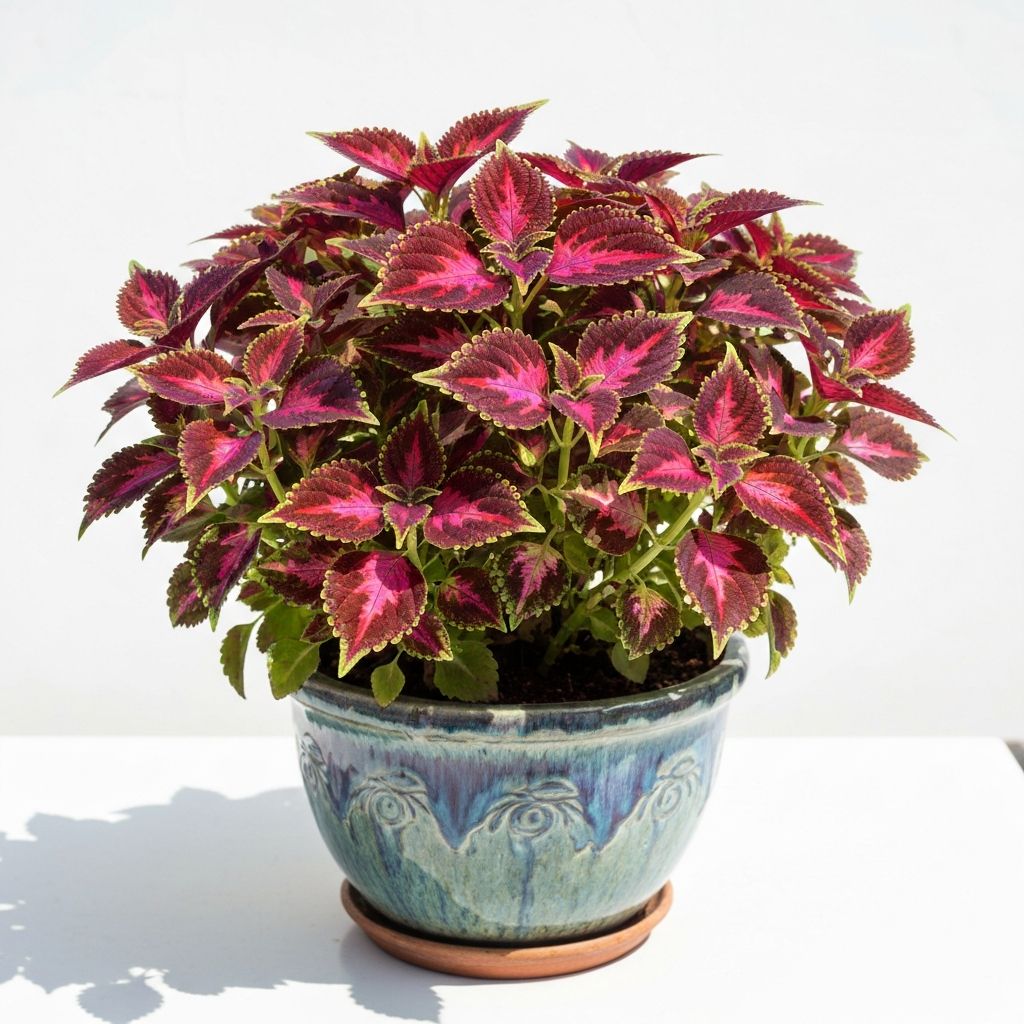
Coleus
Coleus scutellarioides
A vibrantly colored foliage plant with leaves in endless combinations of green, red, pink, purple, yellow, and orange. Easy to grow and endlessly varied.
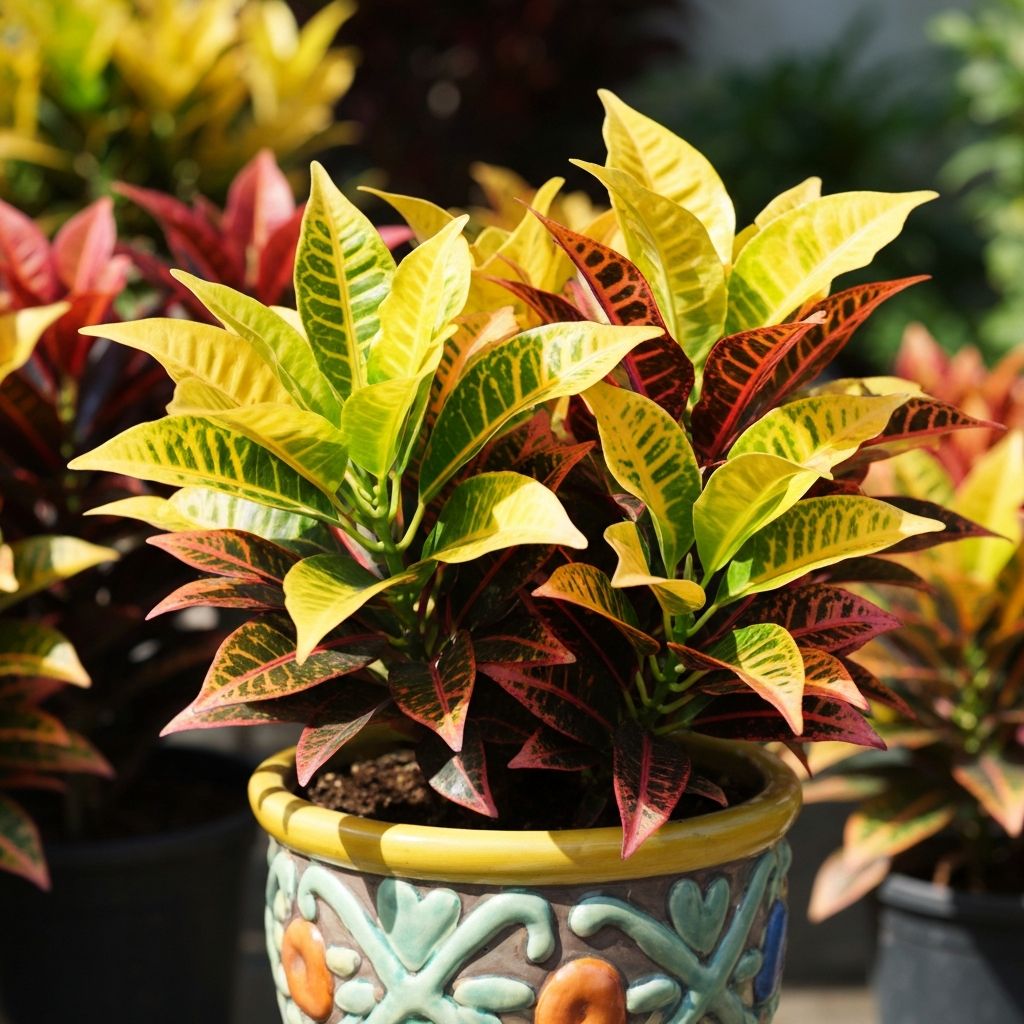
Croton
Codiaeum variegatum
A show-stopping plant with leathery leaves in bold combinations of yellow, orange, red, pink, and green. One of the most colorful foliage plants available. Requires consistent conditions to thrive.
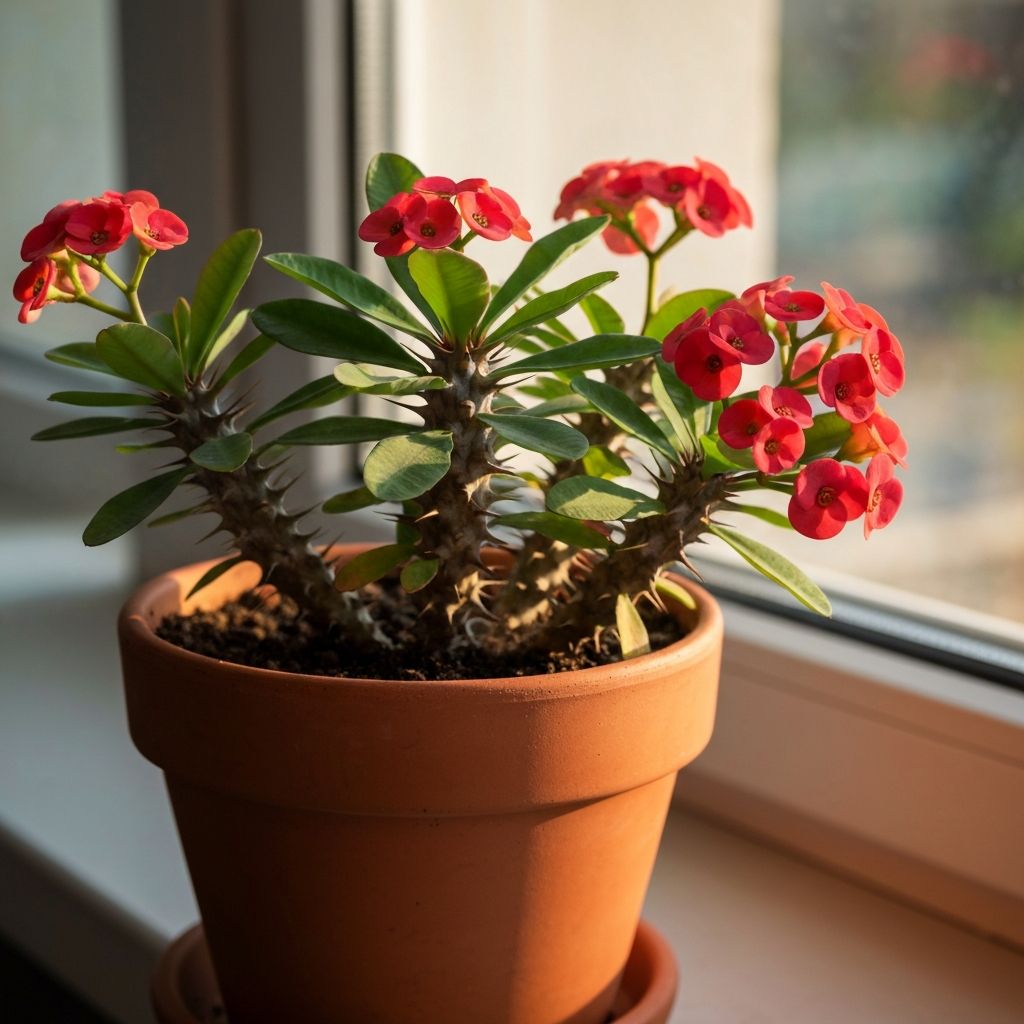
Crown of Thorns
Euphorbia milii
A succulent shrub with spiny stems that produces cheerful flowers in red, pink, yellow, or white almost year-round. Tough and drought-tolerant.
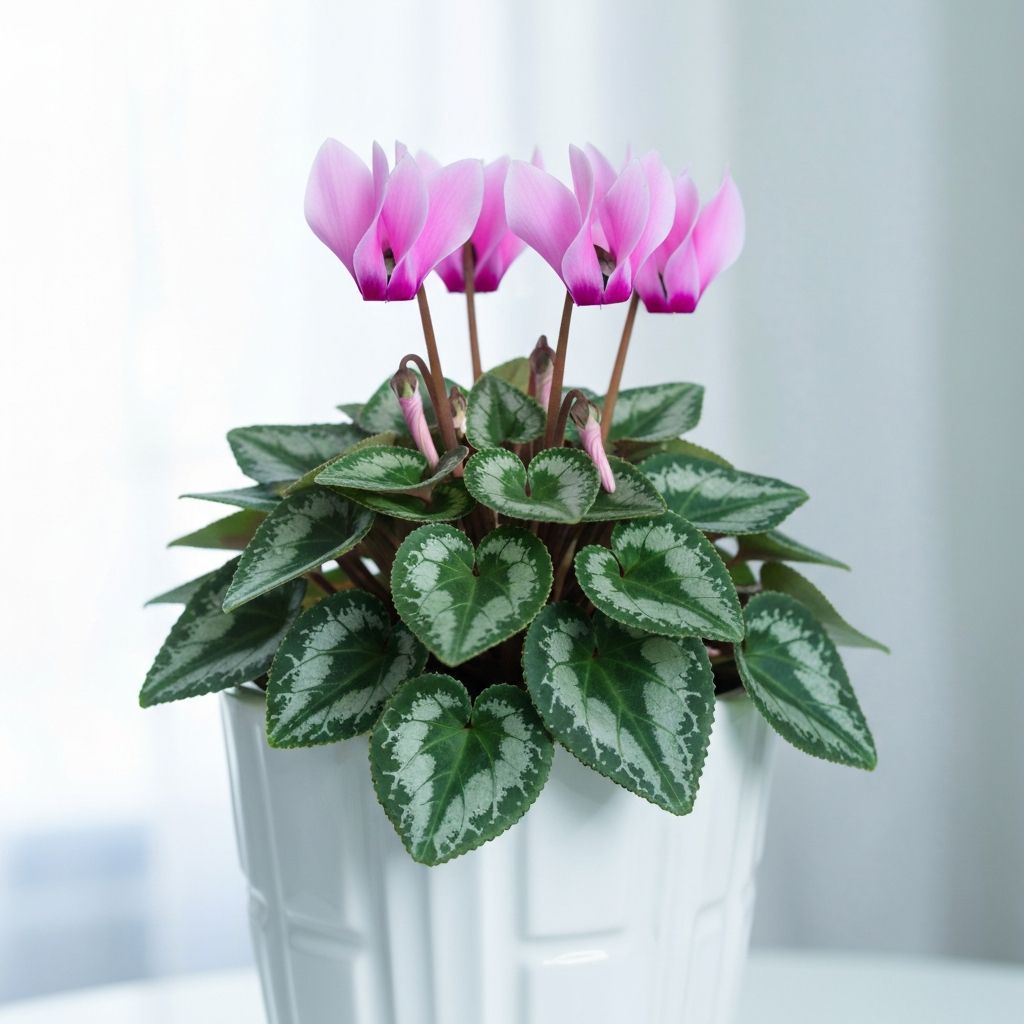
Cyclamen
Cyclamen persicum
A winter-blooming plant with elegant swept-back petals in pink, red, white, or purple above heart-shaped silver-marked leaves. Goes dormant in summer but returns year after year.
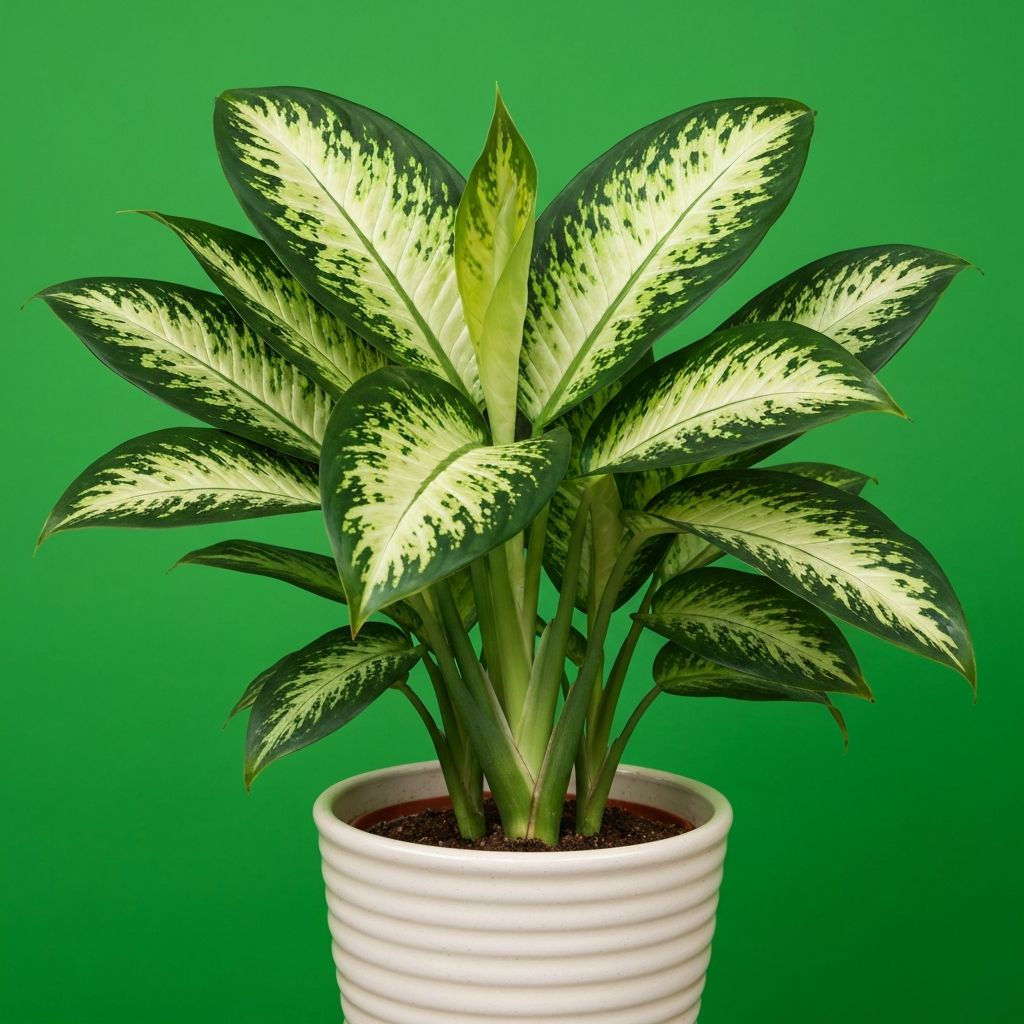
Dieffenbachia
Dieffenbachia seguine
Also known as Dumb Cane for its toxic sap that can cause temporary speech loss, this plant features large, patterned leaves in shades of green, cream, and white. Fast-growing and striking.

Dracaena
Dracaena marginata
Also known as Dragon Tree, this striking plant features spiky leaves atop tall, slender canes. Architectural and dramatic, it adds instant tropical flair. Very adaptable and tolerant of various conditions.
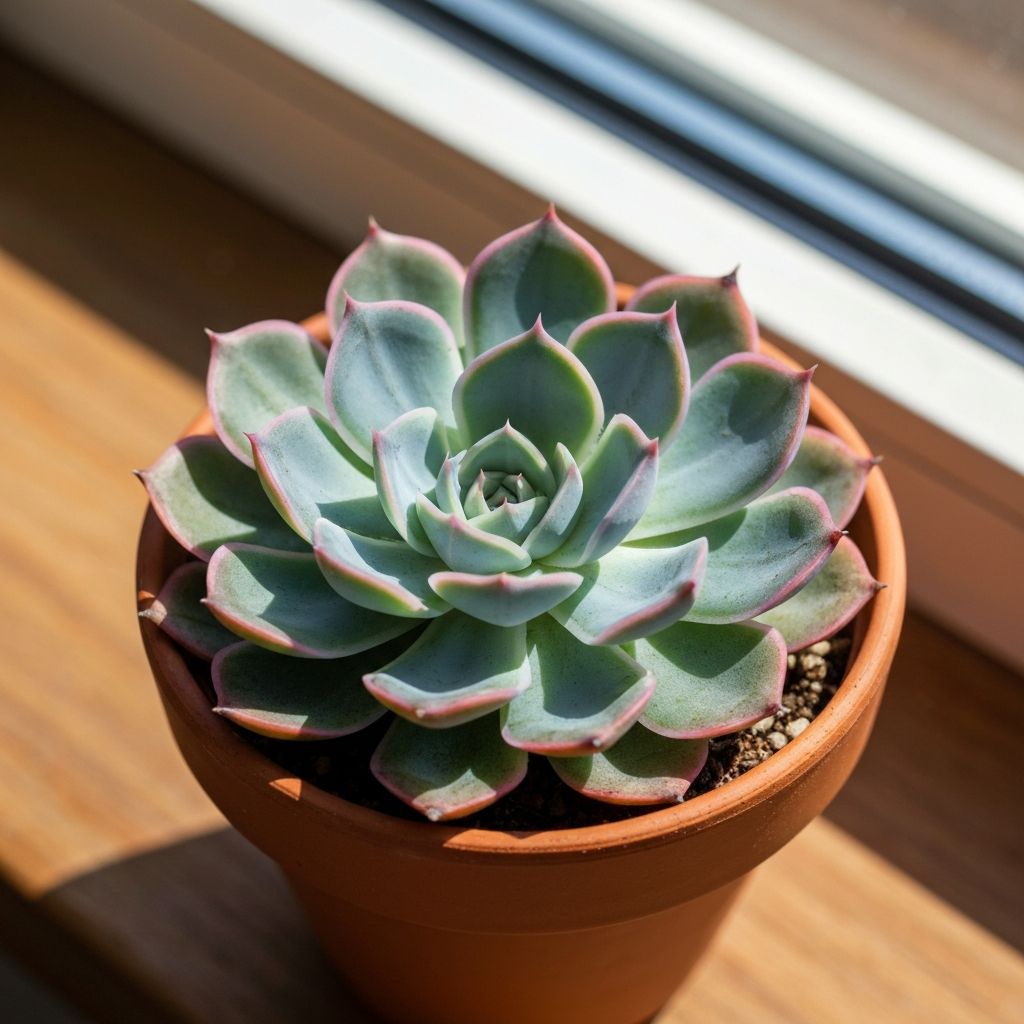
Echeveria
Echeveria species
Stunning rosette-forming succulents in shades of green, blue, pink, purple, and more. Their geometric, flower-like form makes them popular for arrangements and windowsills. Many species and cultivars available.
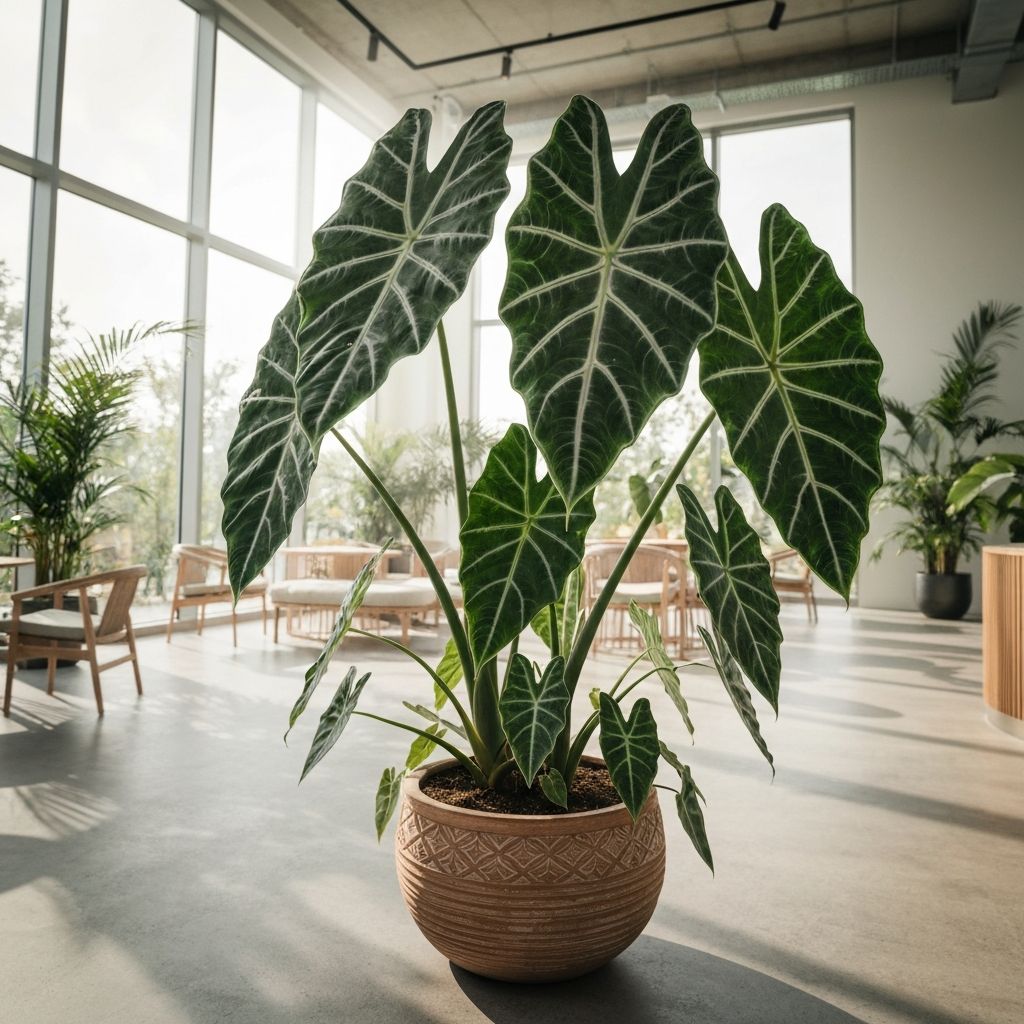
Elephant Ear
Alocasia amazonica
A dramatic plant with large, arrow-shaped leaves featuring bold white veins against dark green. Makes a stunning statement but requires consistent care and high humidity.
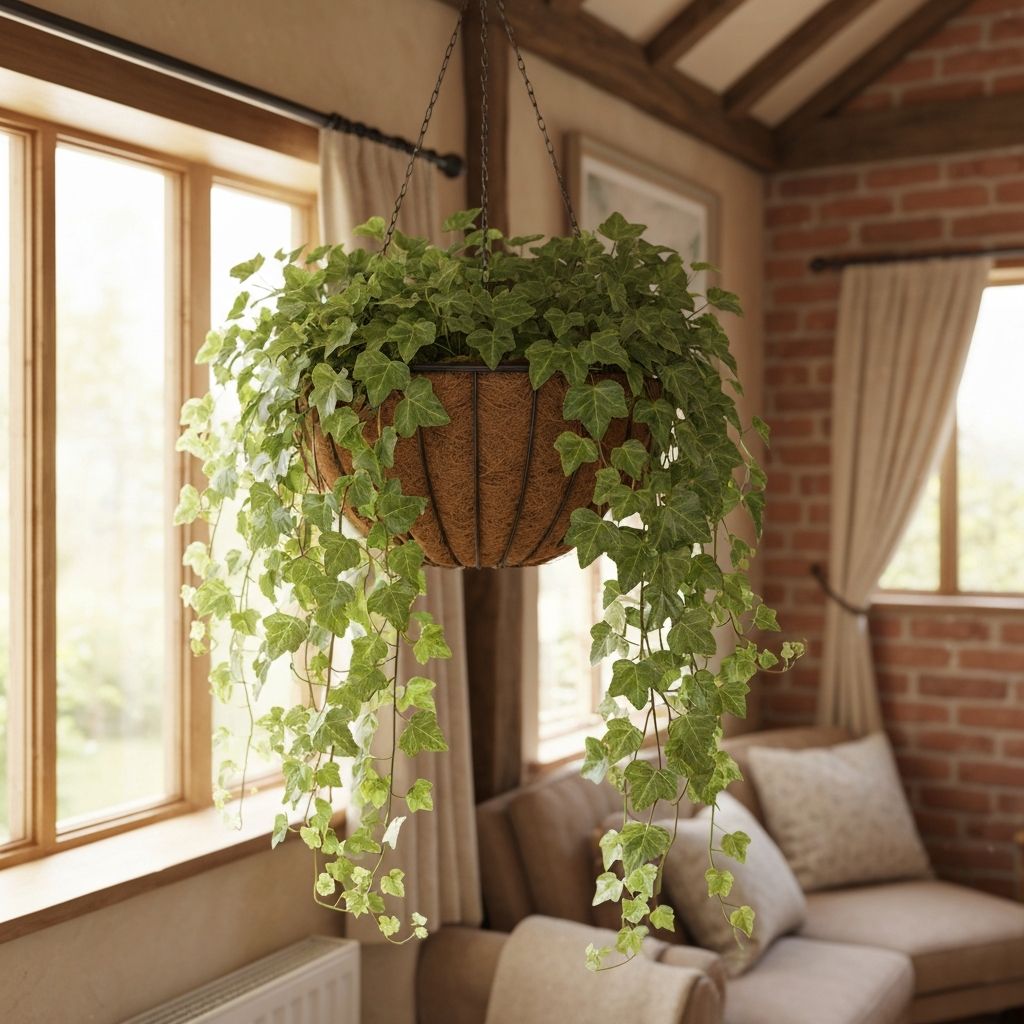
English Ivy
Hedera helix
A classic trailing vine with distinctive lobed leaves in green or variegated patterns. Excellent for hanging baskets, topiaries, or trailing from shelves. Hardy and adaptable but prefers cooler temperatures.
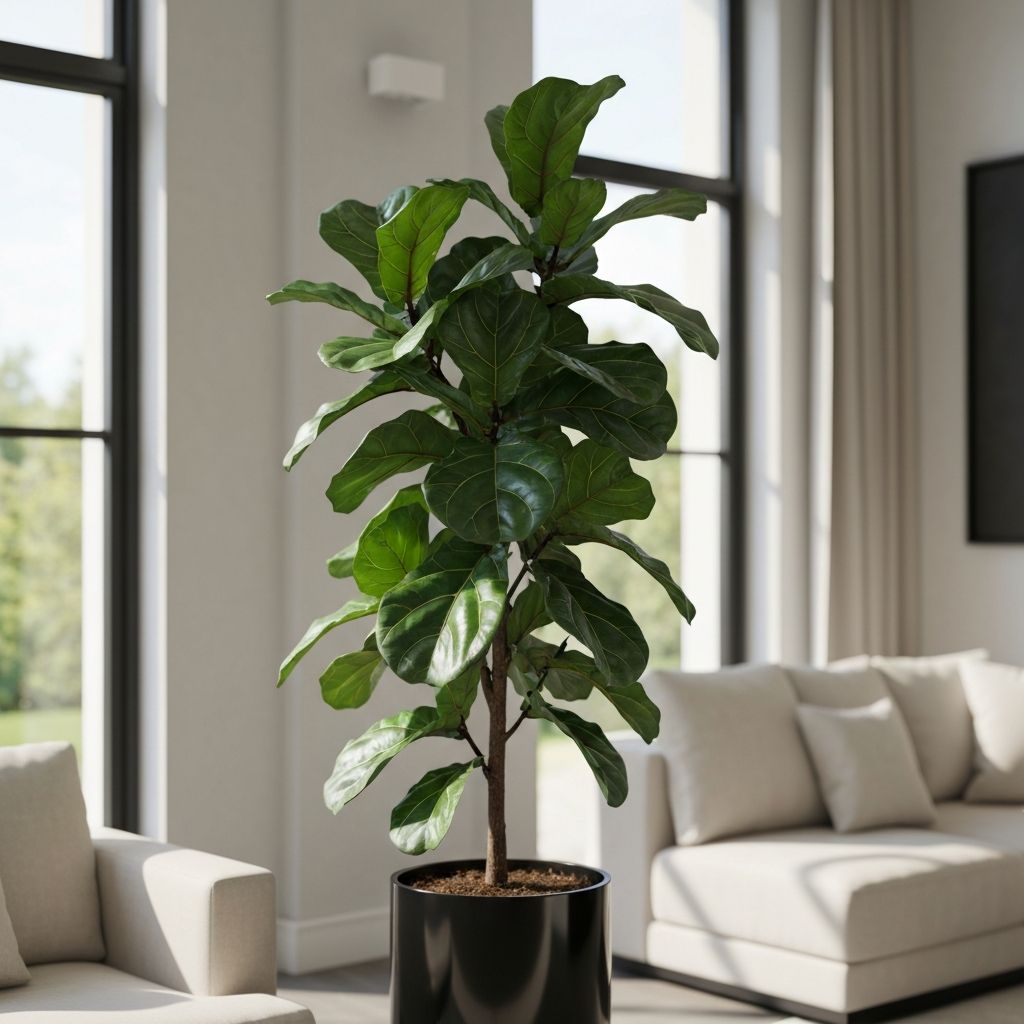
Fiddle Leaf Fig
Ficus lyrata
The It-plant of interior design with large, violin-shaped leaves and a sculptural presence. While stunning, it can be finicky and requires consistent conditions. Best for plant parents ready for a challenge.
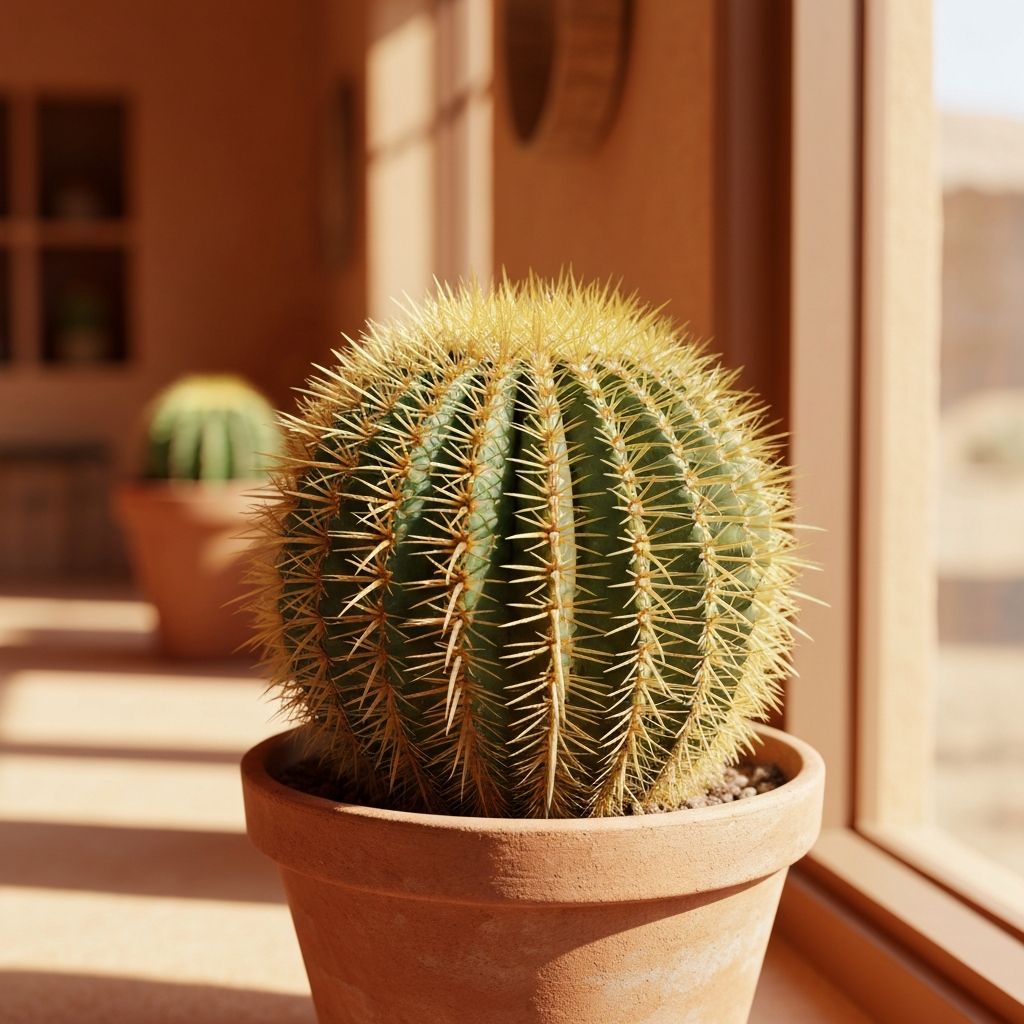
Golden Barrel Cactus
Echinocactus grusonii
A round, ribbed cactus covered in golden-yellow spines. Slow-growing but can eventually become quite large. A classic desert plant perfect for bright, sunny spots.
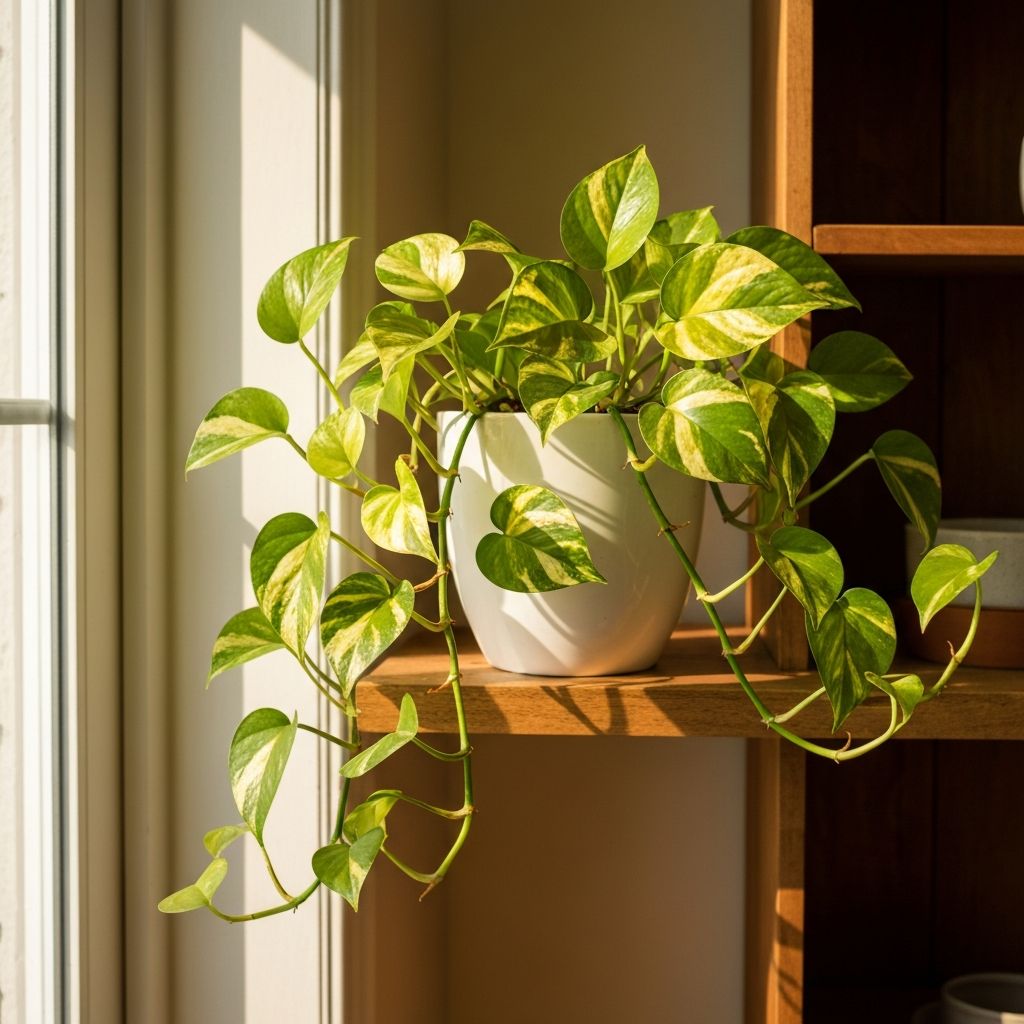
Golden Pothos
Epipremnum aureum
One of the easiest houseplants to grow, pothos features heart-shaped leaves with golden variegation. It can thrive in almost any light condition and is very forgiving of irregular watering. Perfect for beginners or busy plant parents.
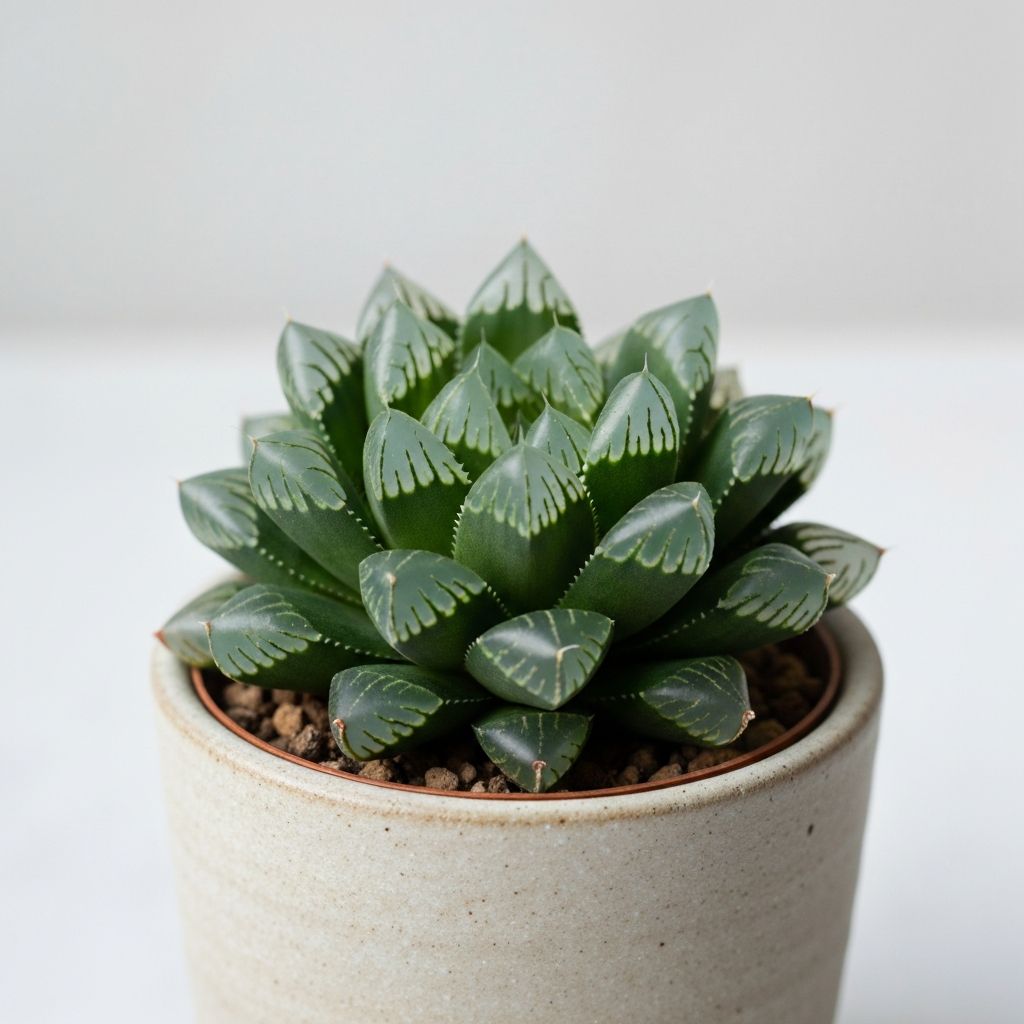
Haworthia
Haworthia species
Small, architectural succulents often featuring striking translucent leaf windows or white markings. Perfect for windowsills and small spaces. Related to aloes but more compact and lower-light tolerant.
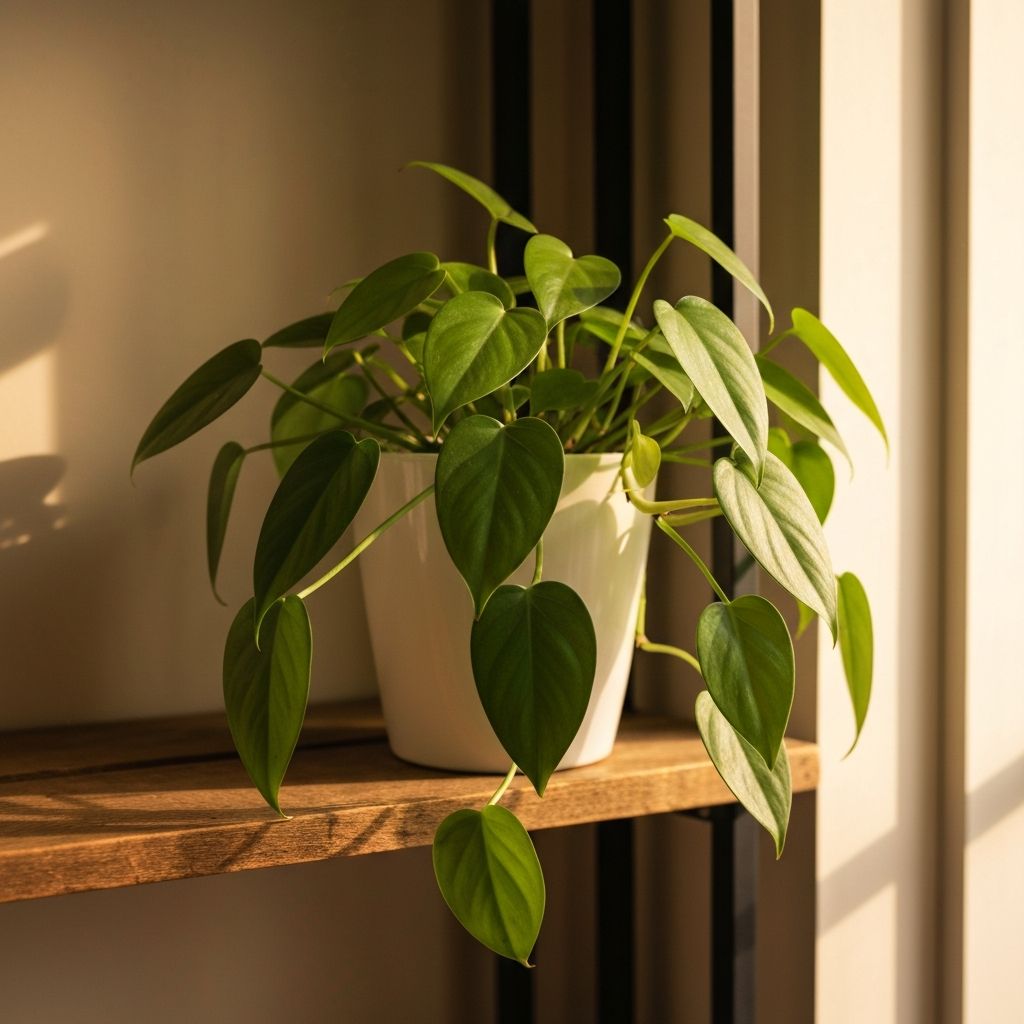
Heartleaf Philodendron
Philodendron hederaceum
A classic trailing plant with heart-shaped, glossy leaves. Similar to pothos but with thinner, softer leaves. Extremely adaptable and perfect for beginners. Looks beautiful trailing from shelves or climbing a support.
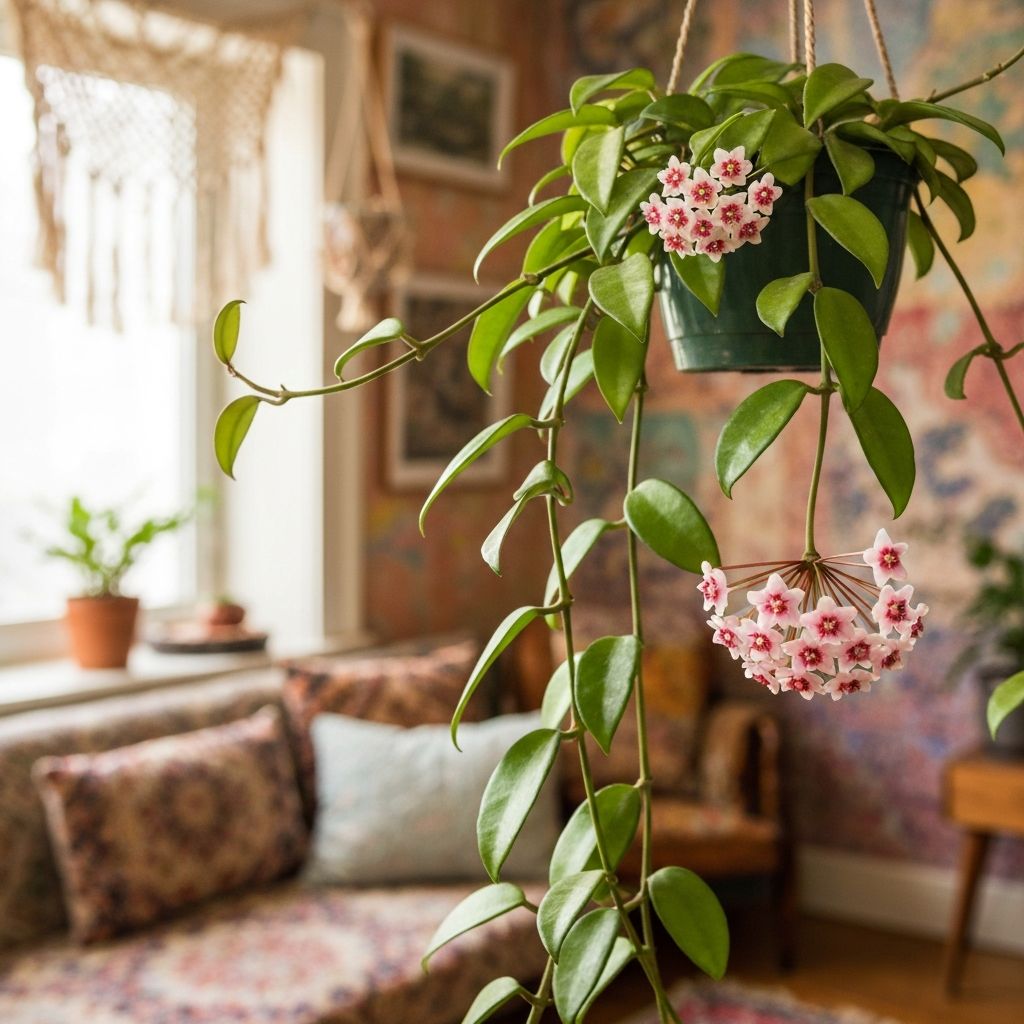
Hoya
Hoya carnosa
Also known as Wax Plant for its thick, waxy leaves and stunning fragrant flower clusters. Long-lived and low-maintenance, hoyas can become treasured specimens that bloom for years.
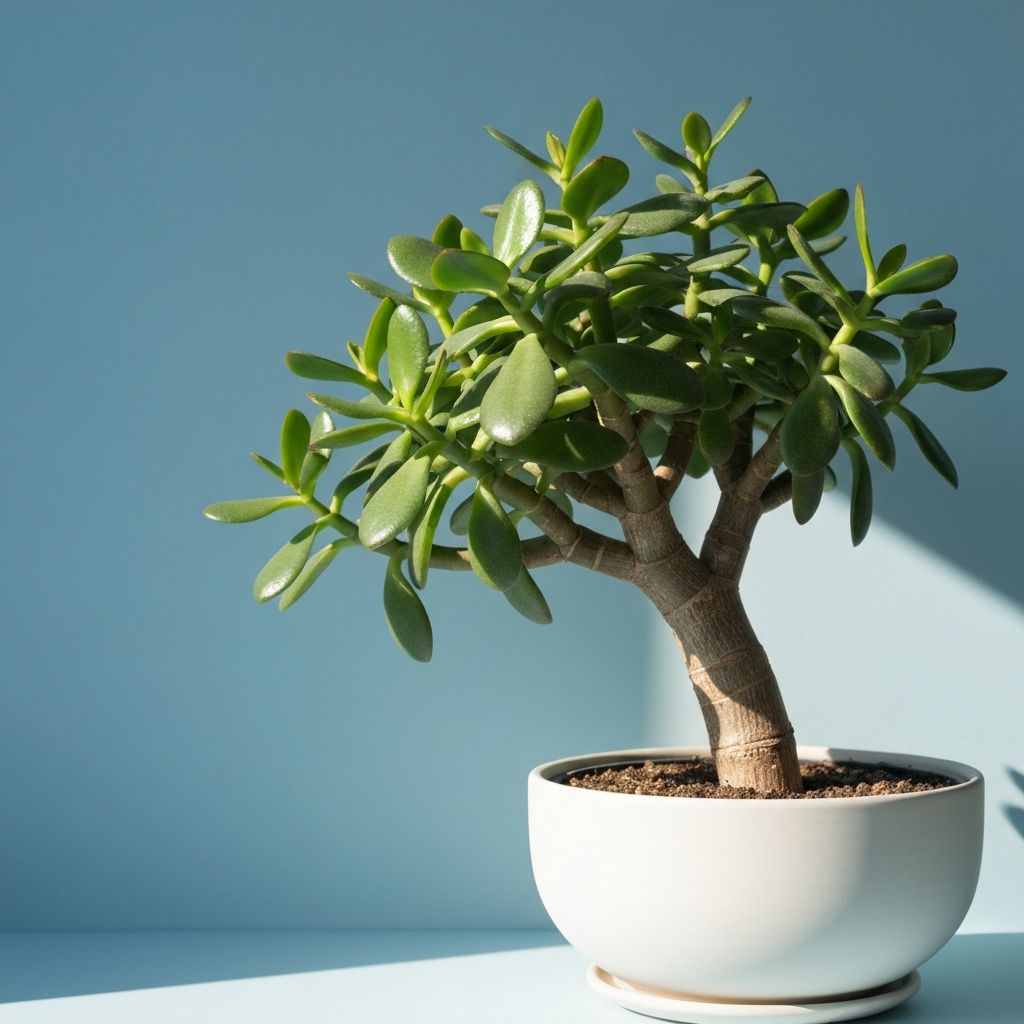
Jade Plant
Crassula ovata
A beloved succulent with thick, glossy leaves and tree-like growth habit. Often called the Money Plant or Lucky Plant, it can live for decades and even be passed down through generations. Develops a thick trunk with age.
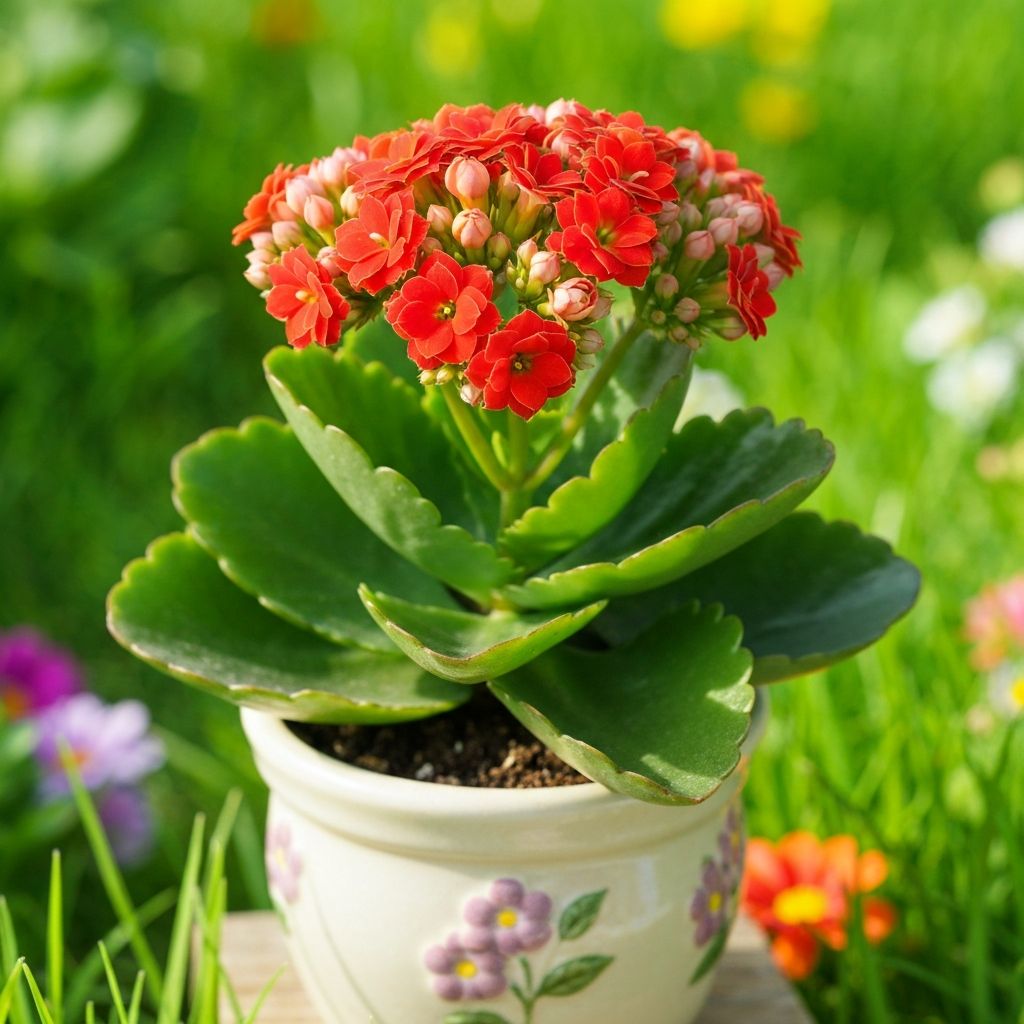
Kalanchoe
Kalanchoe blossfeldiana
A popular flowering succulent with clusters of small, bright flowers in red, pink, orange, yellow, or white. Easy to care for and blooms for weeks, though getting it to rebloom is challenging.
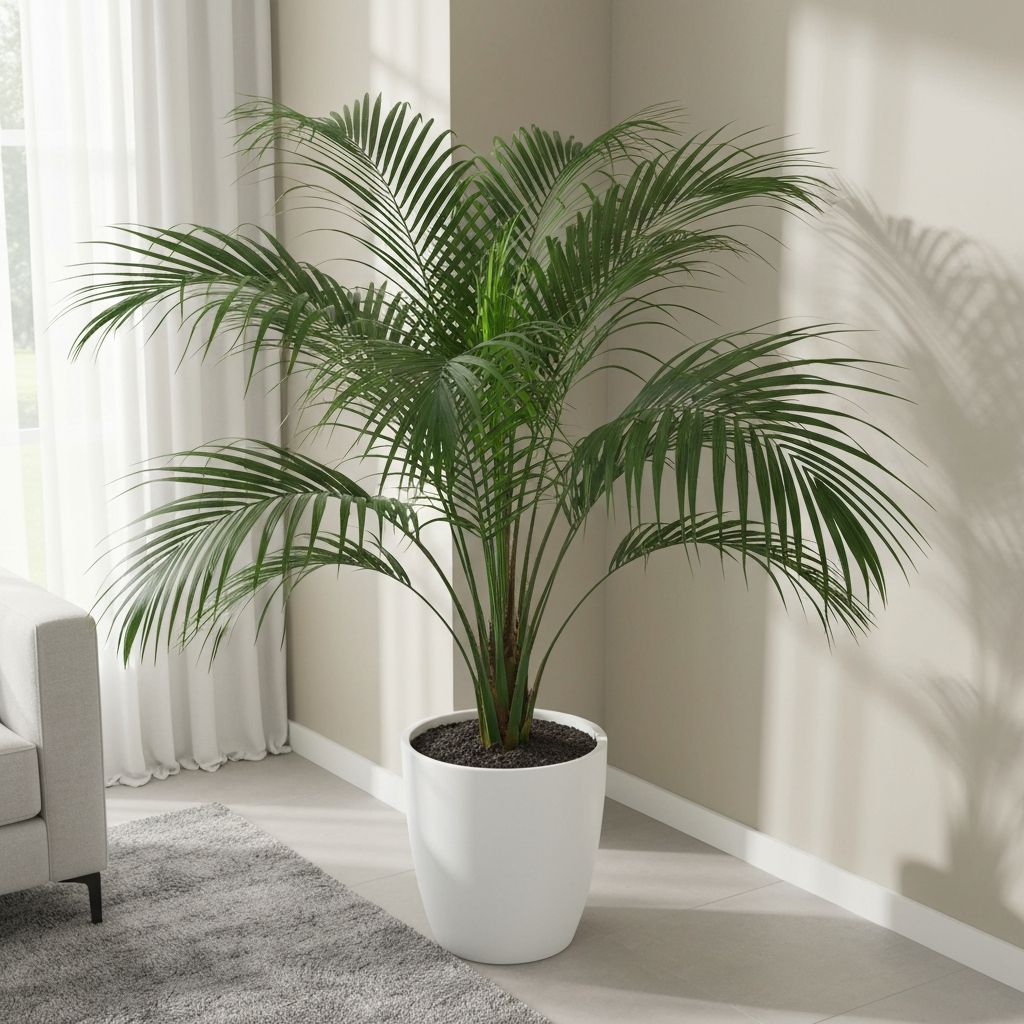
Kentia Palm
Howea forsteriana
The most elegant and forgiving of indoor palms, with graceful arching fronds. A favorite in upscale hotels and offices for its sophisticated appearance. Slow-growing but can eventually reach 10 feet indoors.
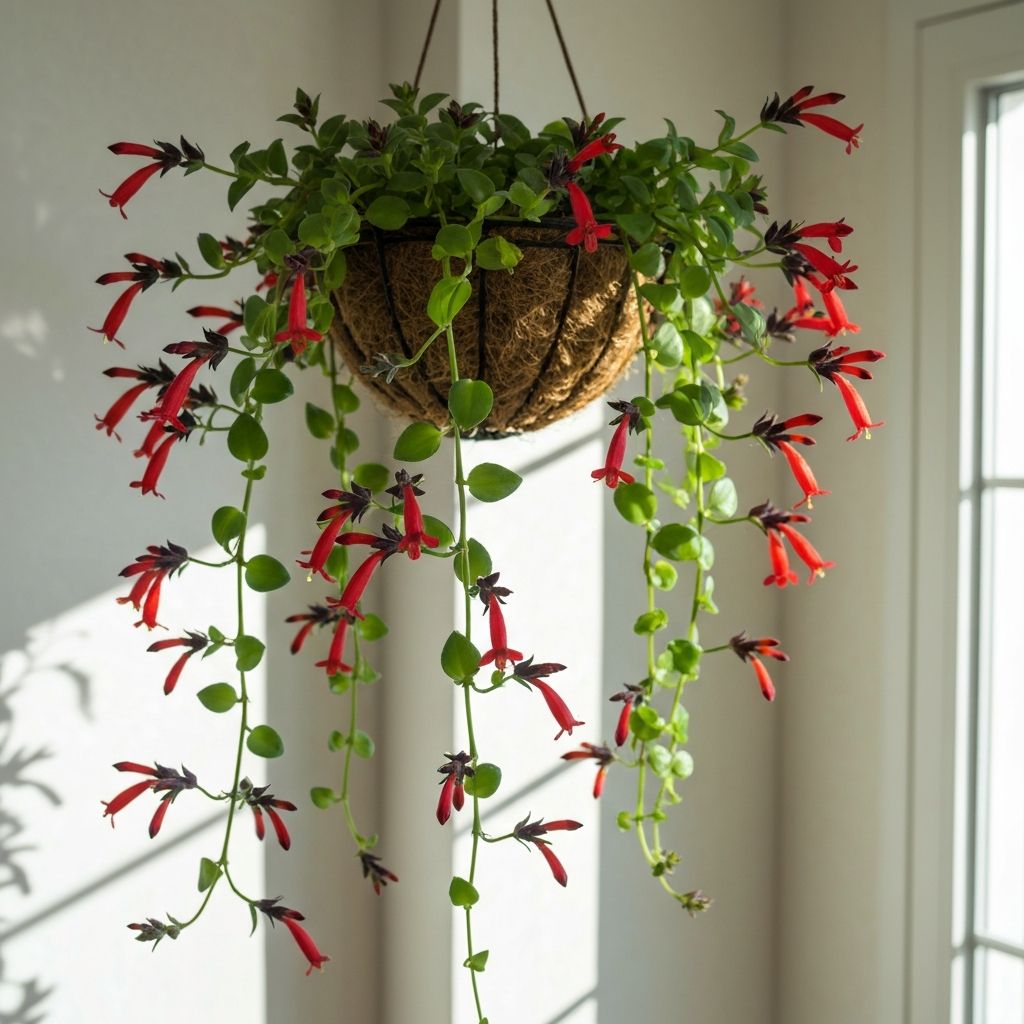
Lipstick Plant
Aeschynanthus radicans
A trailing tropical plant that produces unique tubular flowers that emerge from dark tubes like lipstick from a case. Beautiful both as foliage and when in bloom.
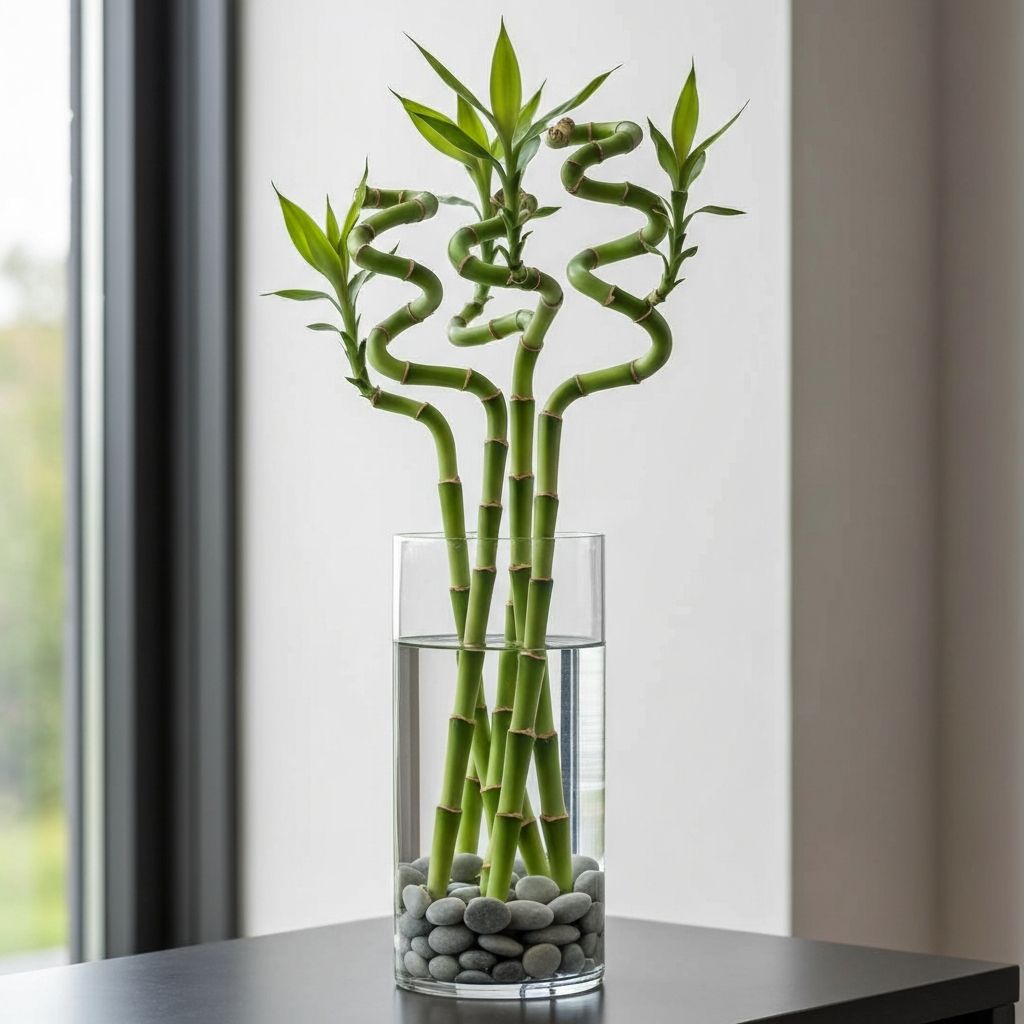
Lucky Bamboo
Dracaena sanderiana
Despite its name, not actually bamboo but a dracaena. Its cane-like stems can be shaped into spirals or braids. Associated with good fortune in feng shui.
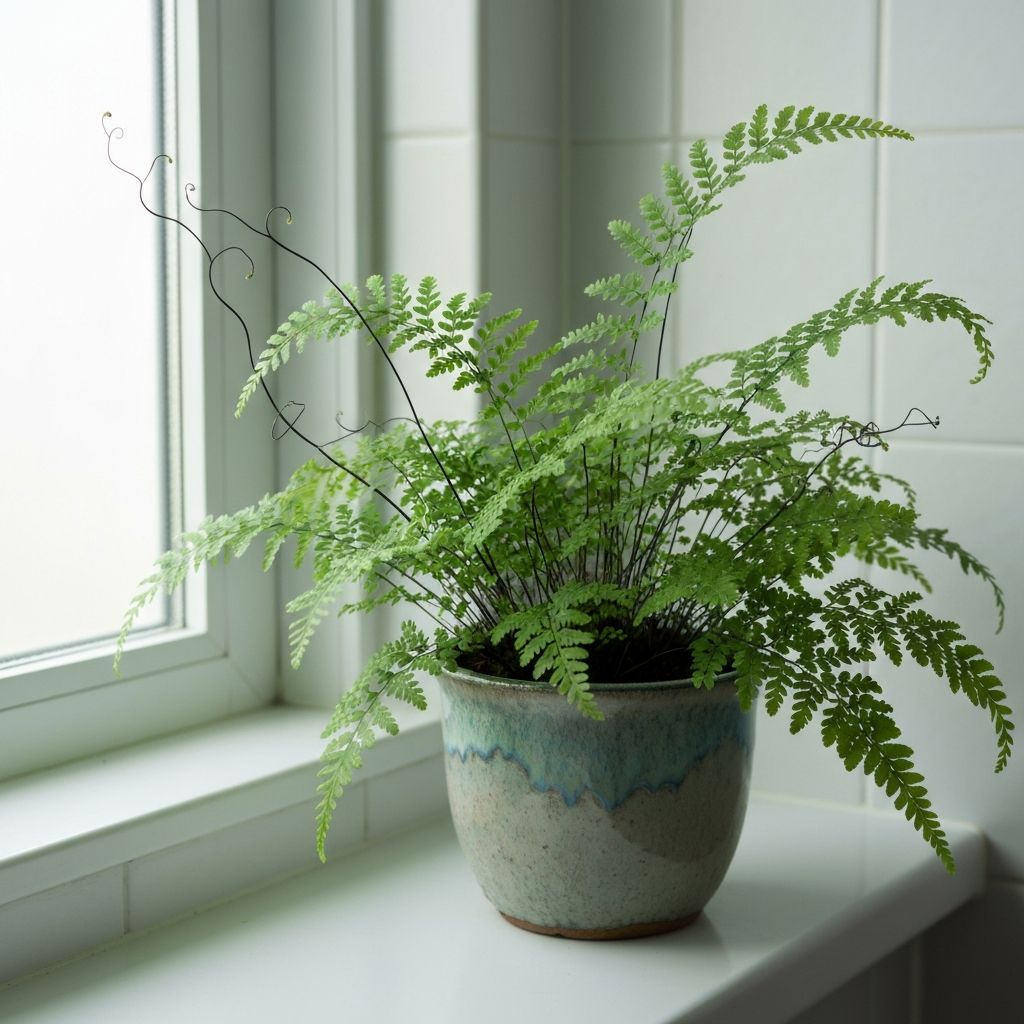
Maidenhair Fern
Adiantum raddianum
One of the most delicate and beautiful ferns, with fine, lacy fronds on wiry black stems. Its ethereal appearance comes with demanding care requirements - it requires consistent moisture and humidity.
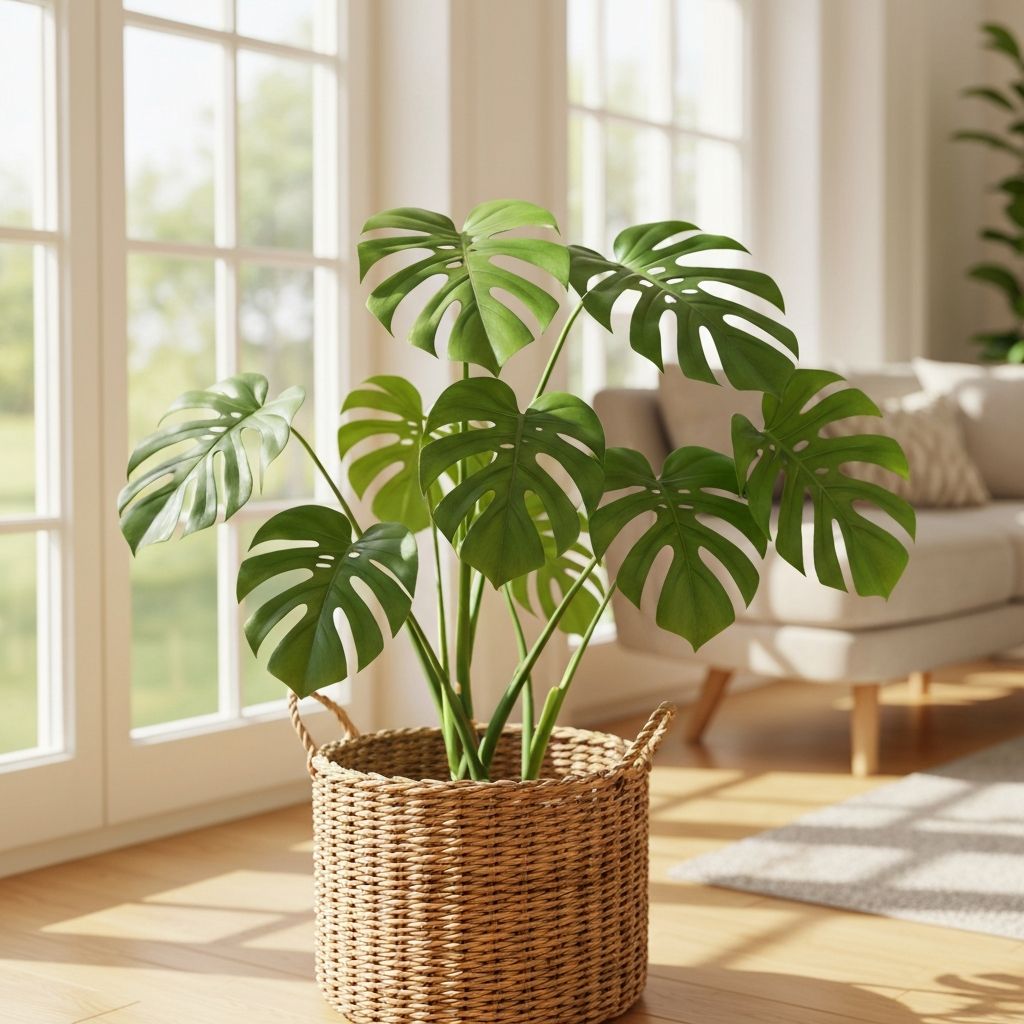
Monstera Deliciosa
Monstera deliciosa
The iconic Swiss Cheese Plant is famous for its large, glossy leaves with distinctive splits and holes. A statement plant that brings instant tropical vibes to any room. Develops more fenestrations (holes) as it matures.
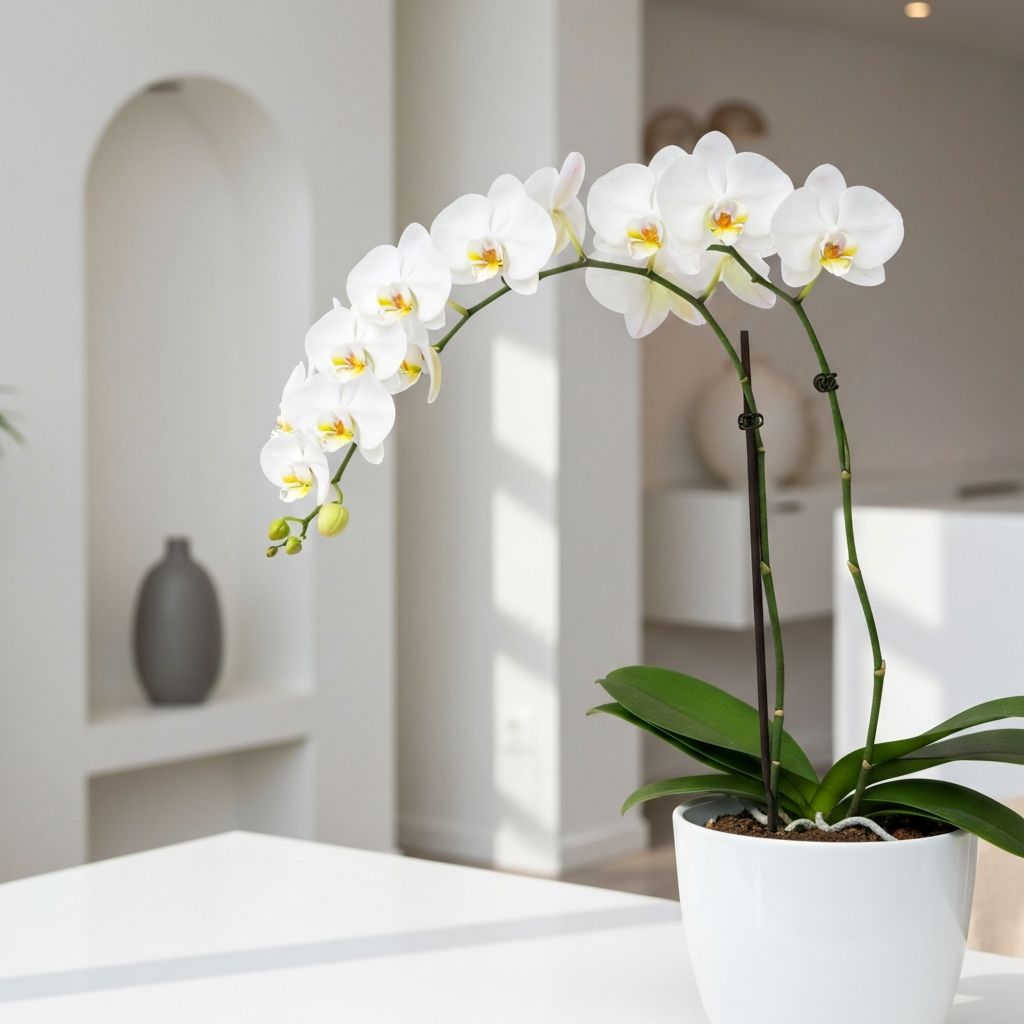
Moth Orchid
Phalaenopsis species
The most popular and beginner-friendly orchid, with elegant arching sprays of flowers that last for months. Despite their exotic appearance, they're surprisingly easy to care for once you understand their needs.
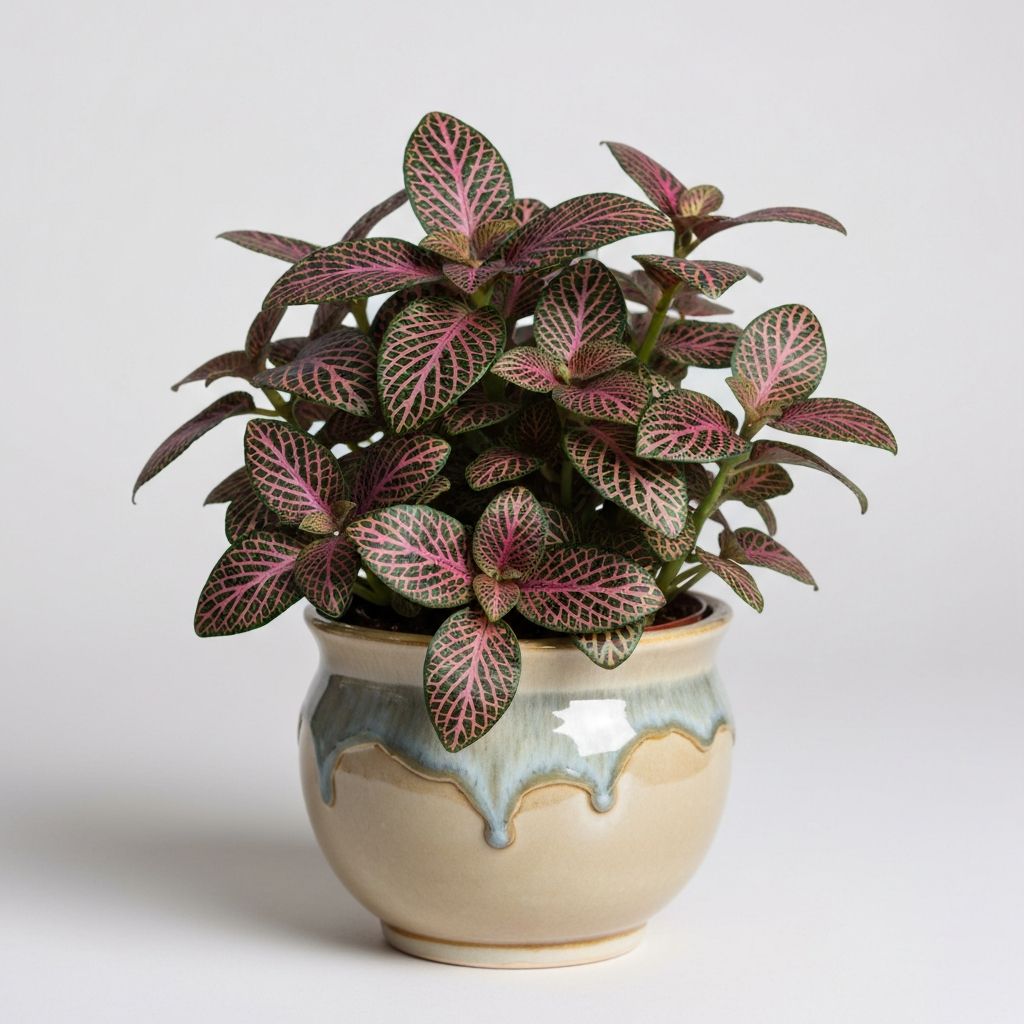
Nerve Plant
Fittonia albivenis
A striking tropical plant with dark green leaves covered in intricate white, pink, or red vein patterns. Compact and colorful, it's perfect for terrariums but dramatic about its watering needs.
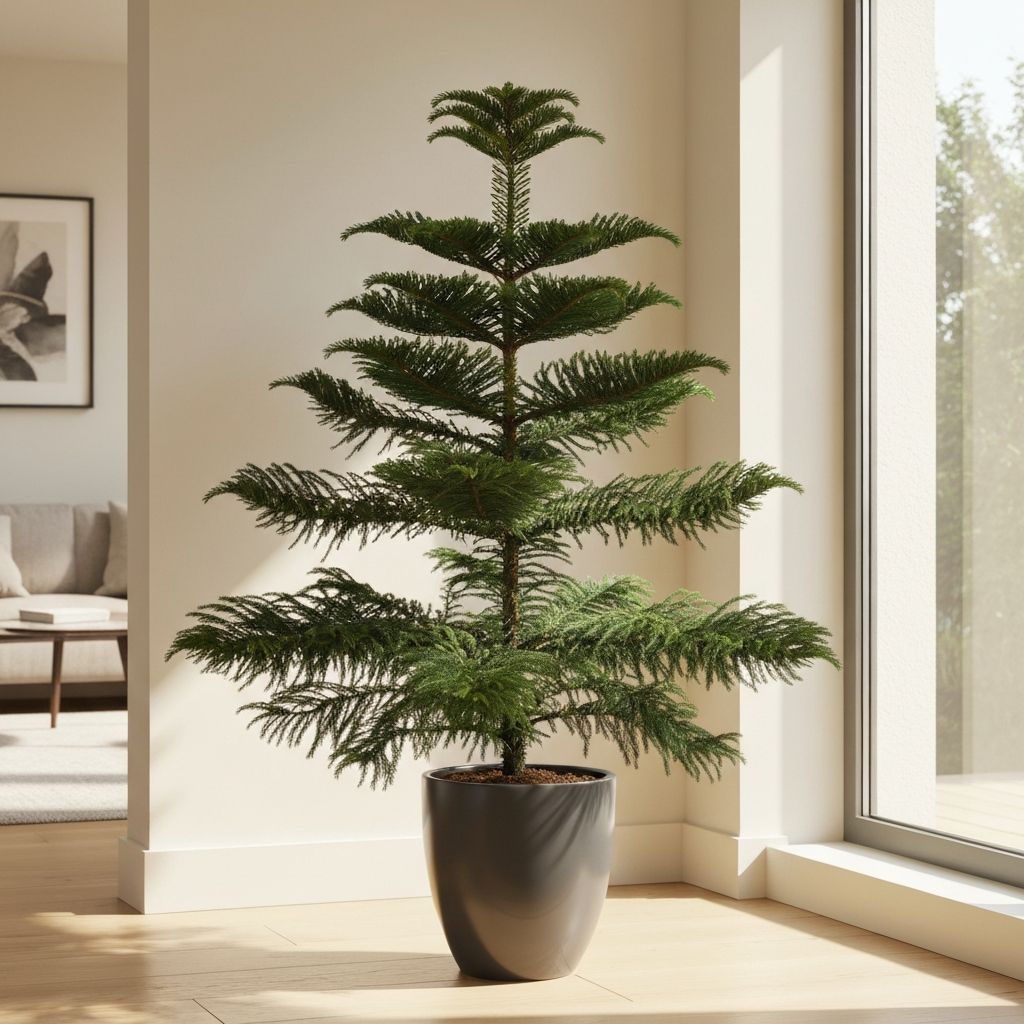
Norfolk Island Pine
Araucaria heterophylla
An elegant evergreen tree with symmetrical, tiered branches covered in soft needles. Often used as a living Christmas tree, it can grow quite tall indoors with proper care.
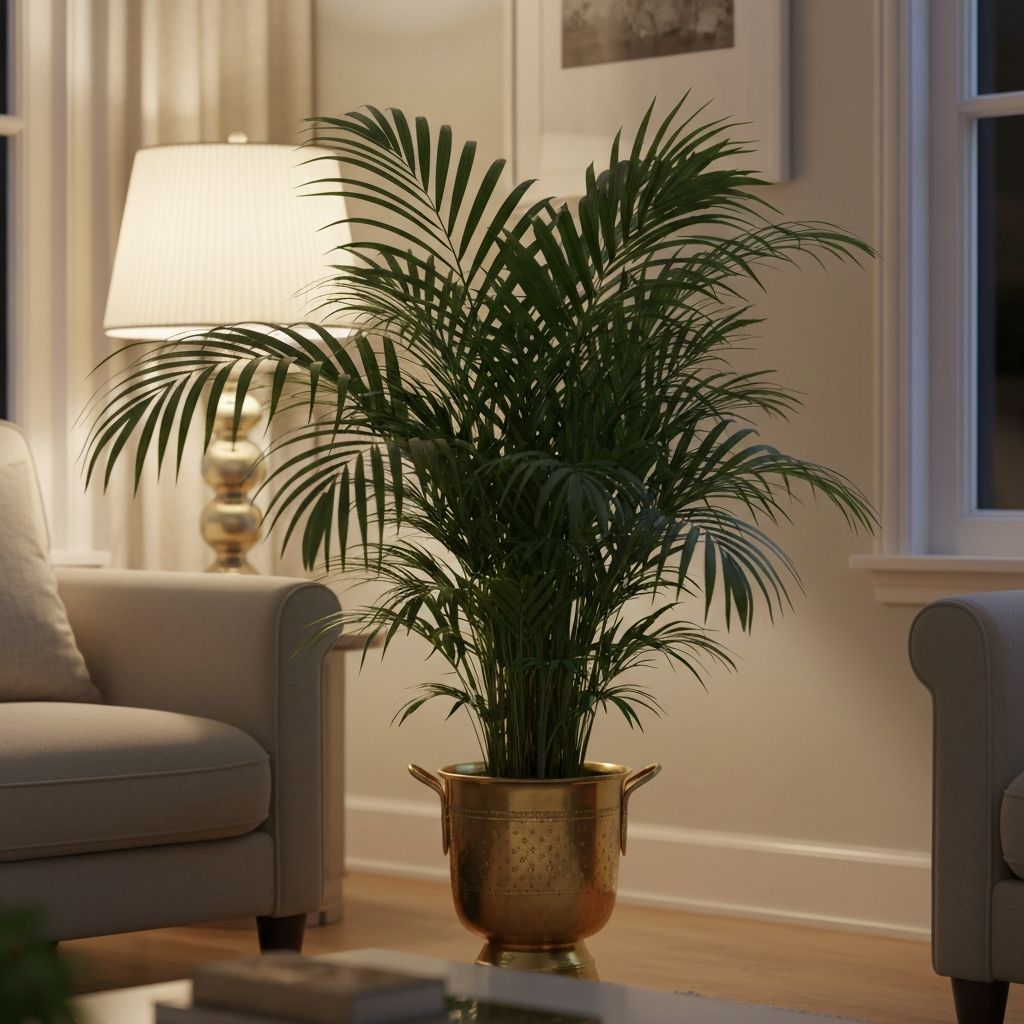
Parlor Palm
Chamaedorea elegans
A classic Victorian favorite, this elegant palm brings tropical charm to any room. Slow-growing and adaptable, it tolerates lower light conditions better than most palms and has graceful, arching fronds.
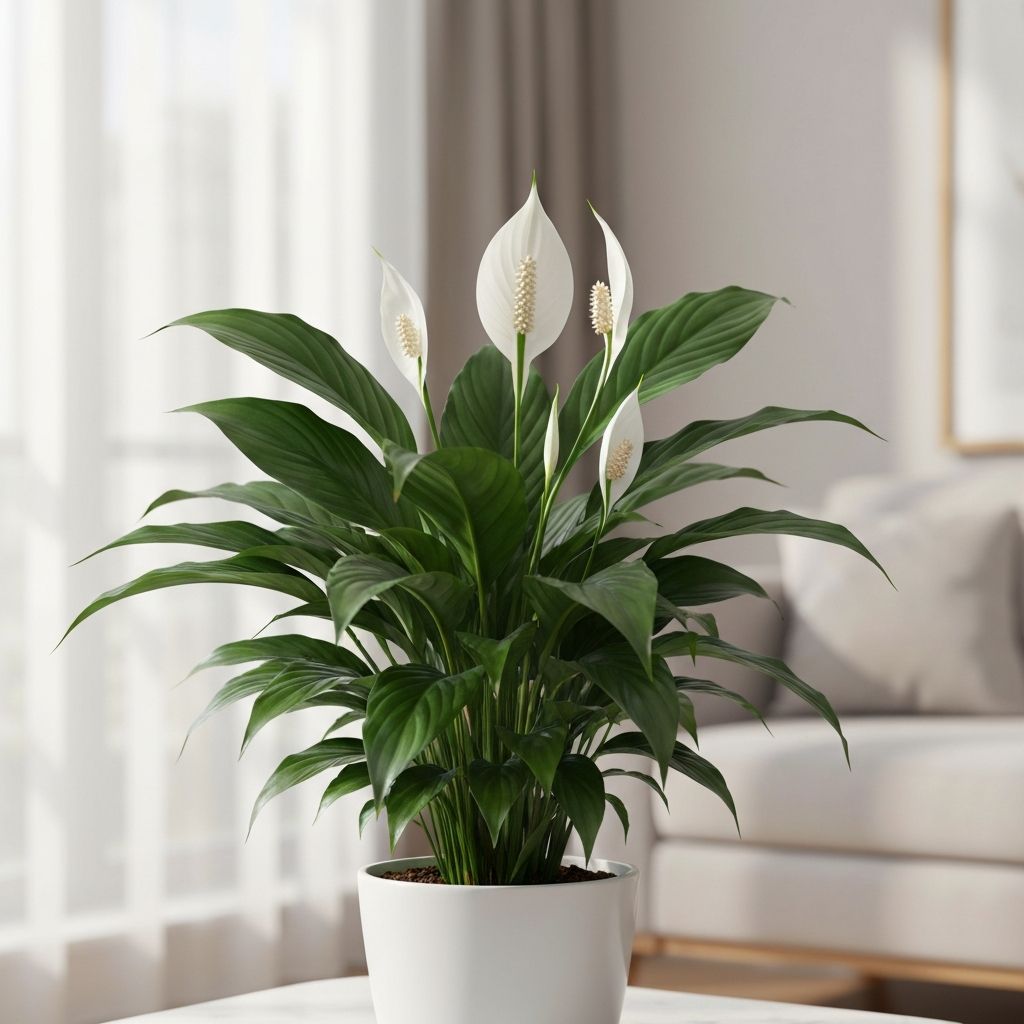
Peace Lily
Spathiphyllum wallisii
An elegant flowering plant with glossy dark green leaves and distinctive white spathes. One of the best plants for low light conditions and excellent at purifying indoor air. It will dramatically droop when thirsty, making it easy to know when to water.
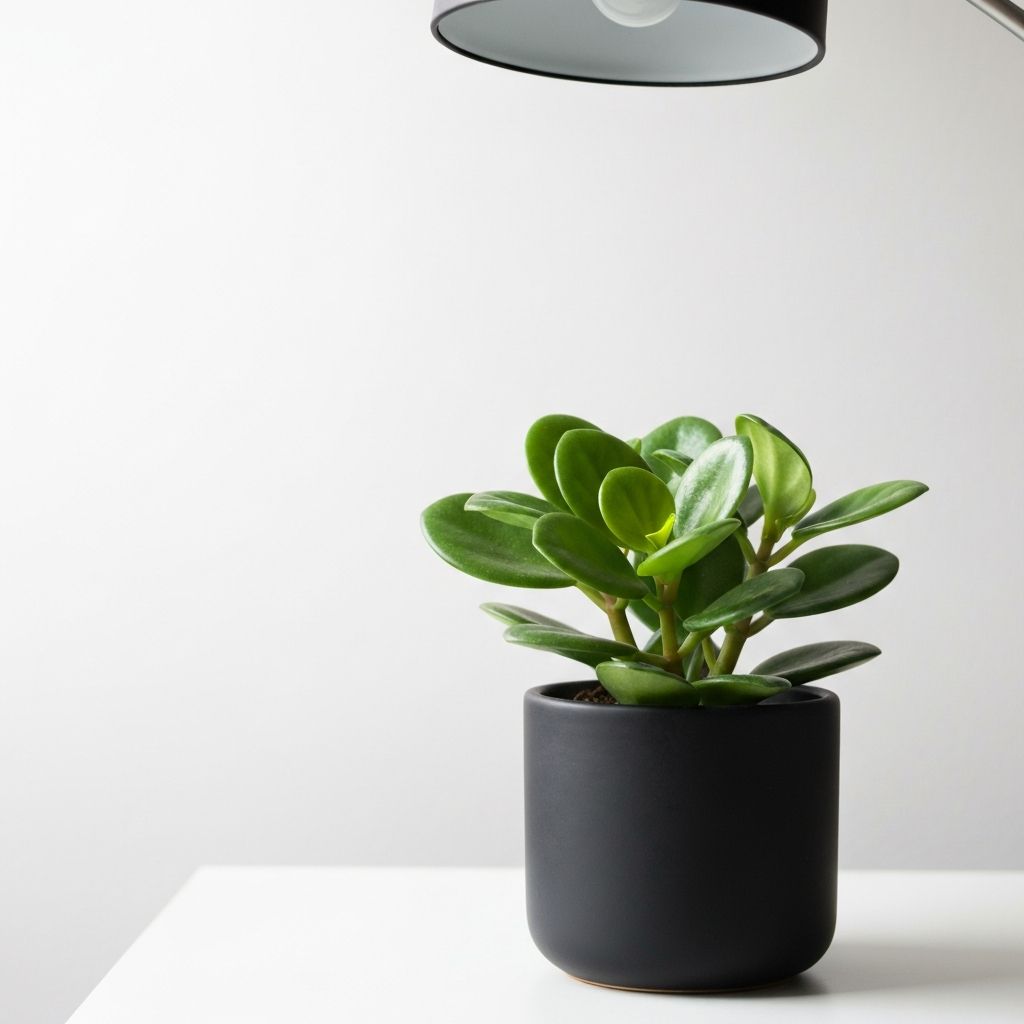
Peperomia
Peperomia obtusifolia
A compact, easy-care plant with thick, succulent-like leaves. Comes in many varieties with different leaf shapes, colors, and patterns. Perfect for small spaces and beginner plant parents.
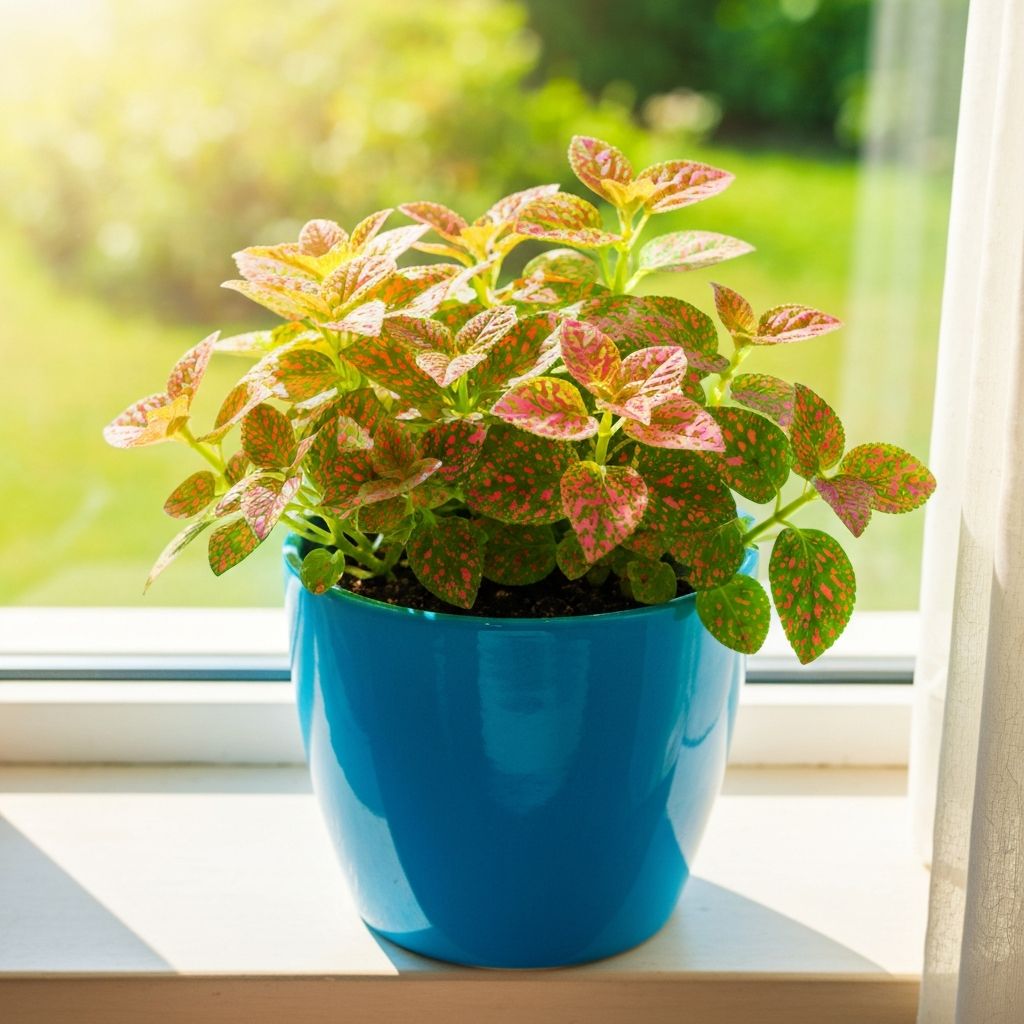
Polka Dot Plant
Hypoestes phyllostachya
A cheerful, colorful plant with leaves dotted or splashed with pink, red, or white spots on green. Compact and easy to find, it adds a playful pop of color to any plant collection.
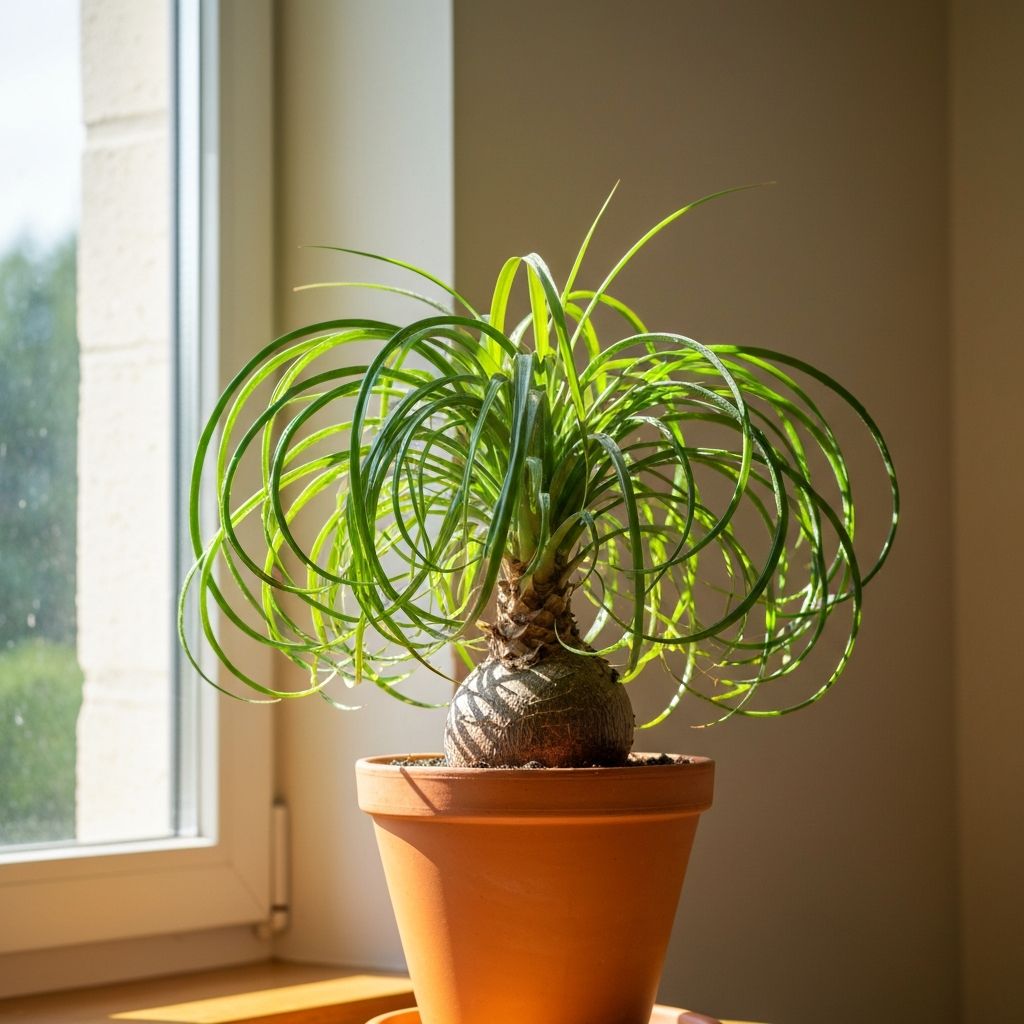
Ponytail Palm
Beaucarnea recurvata
Not actually a palm, this unique plant has a bulbous trunk that stores water and cascading, curly leaves resembling a ponytail. Extremely drought-tolerant and almost impossible to kill.
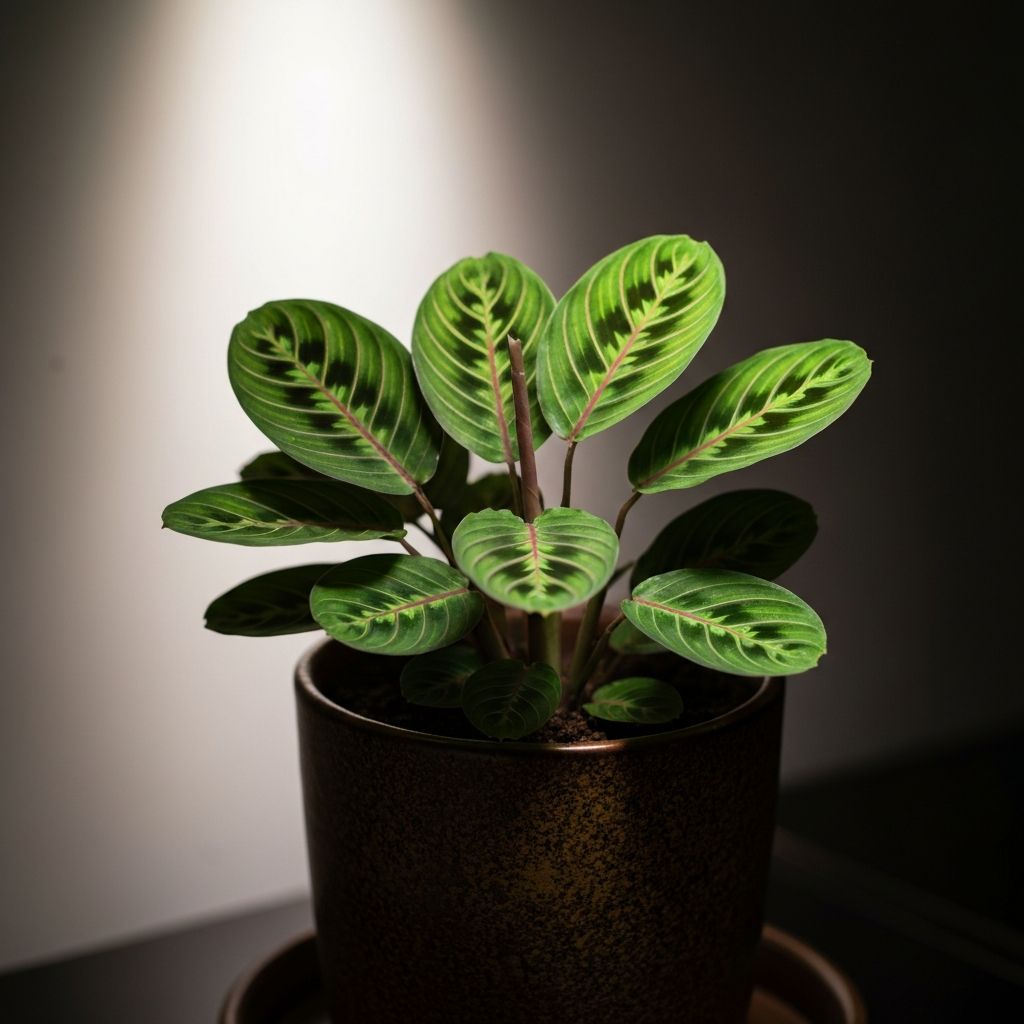
Prayer Plant
Maranta leuconeura
Named for its leaves that fold upward at night like praying hands, this plant features stunning patterned foliage with herringbone markings. Related to Calathea but slightly easier to care for.
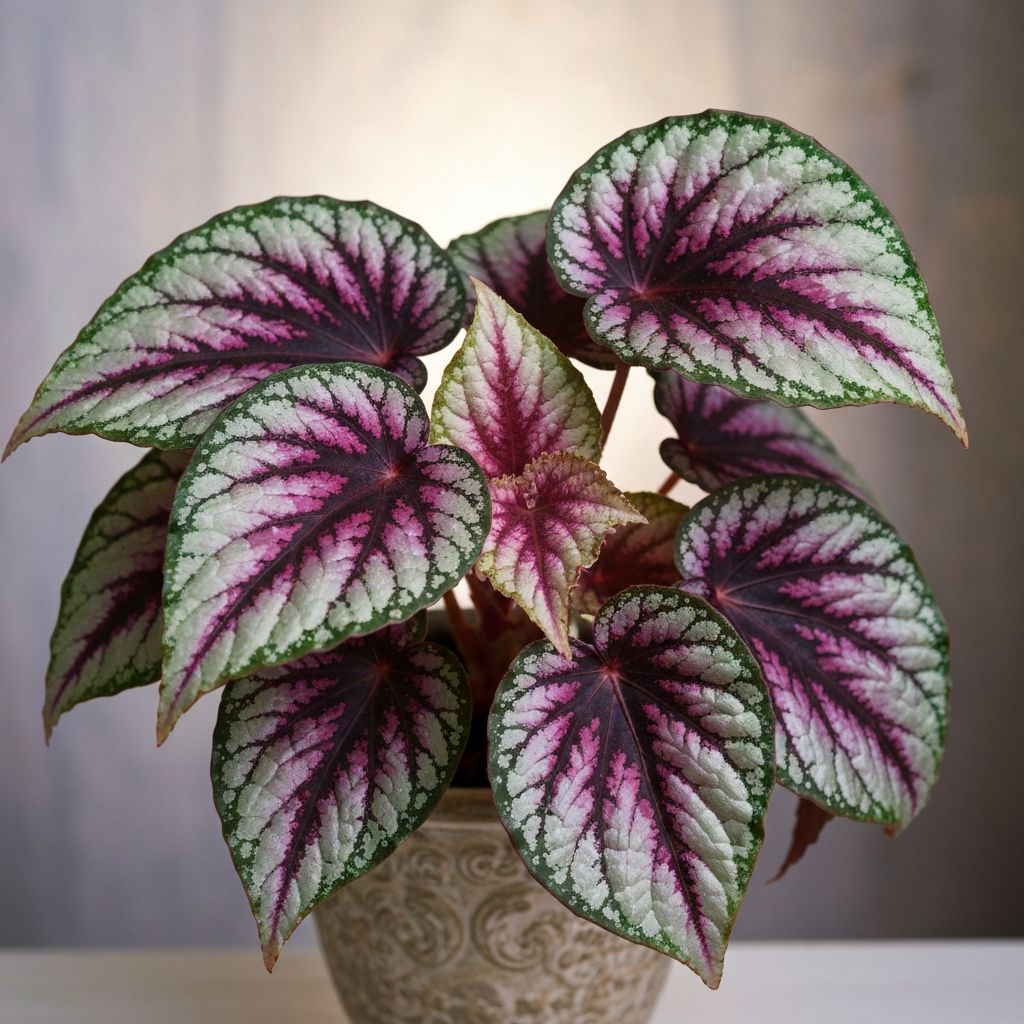
Rex Begonia
Begonia rex-cultorum
Grown for their spectacular patterned leaves rather than flowers, Rex Begonias feature swirls and splashes of silver, purple, pink, red, and green. Each variety is like living art.
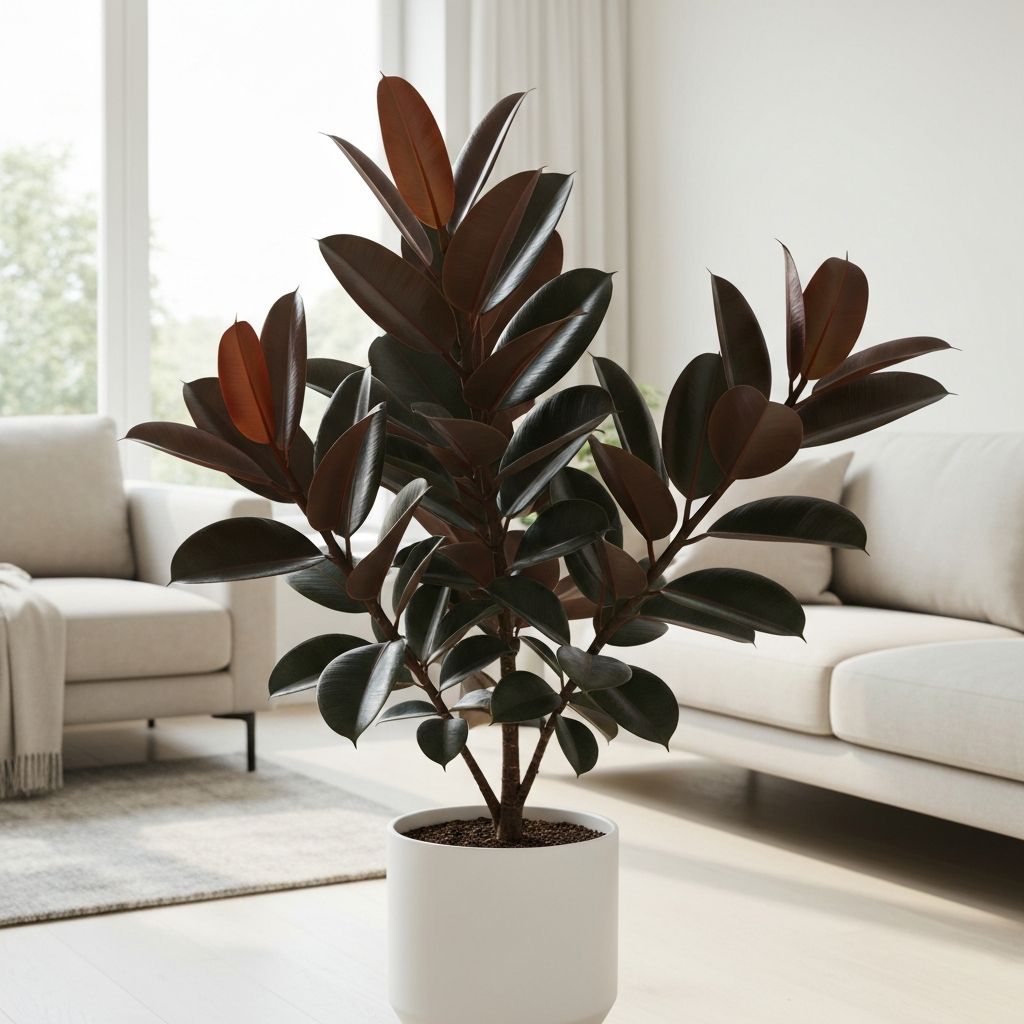
Rubber Plant
Ficus elastica
A bold, architectural plant with large, glossy leaves in deep green, burgundy, or variegated varieties. More forgiving than its fiddle leaf fig cousin while offering similar statement appeal. Can grow quite tall with proper care.
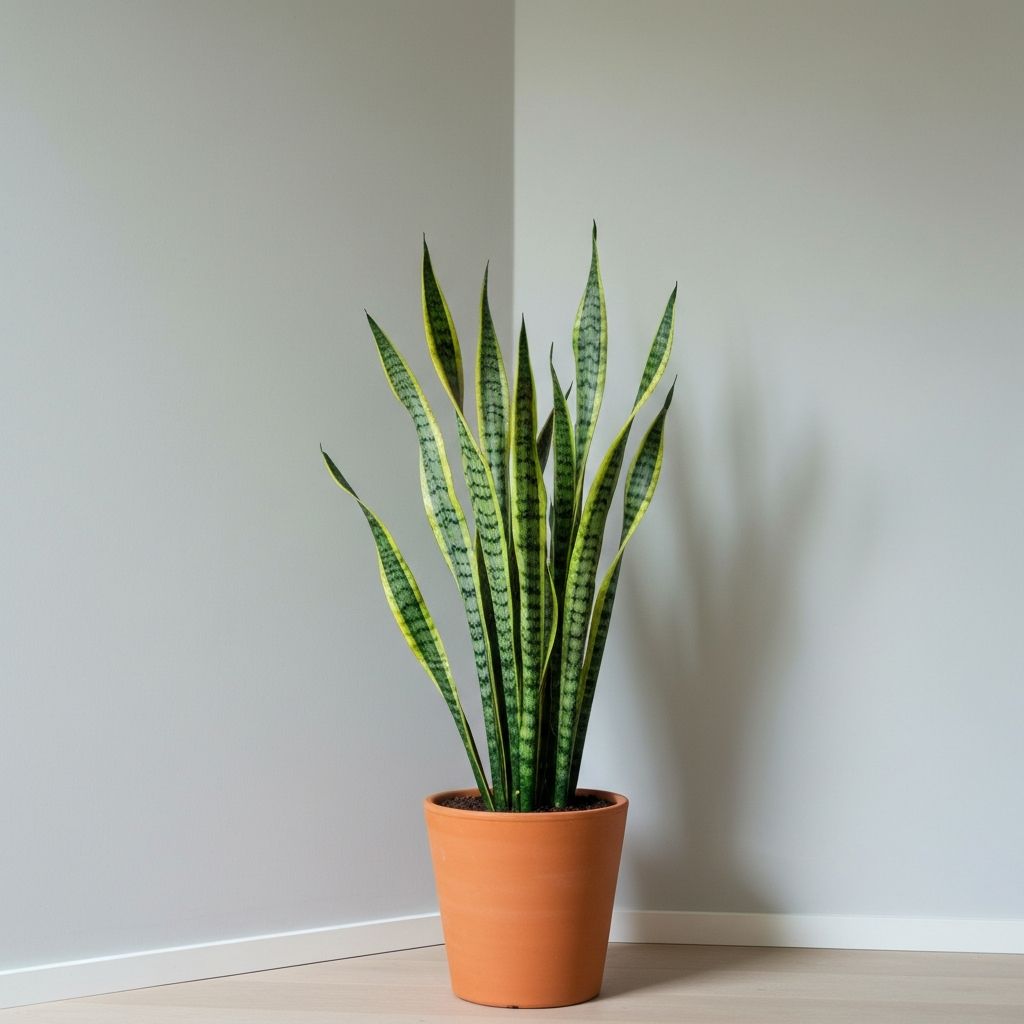
Snake Plant
Dracaena trifasciata
Also known as Mother-in-Law's Tongue, this architectural plant features tall, sword-like leaves with striking patterns. Incredibly drought-tolerant and nearly indestructible, it's perfect for beginners or those who travel frequently.
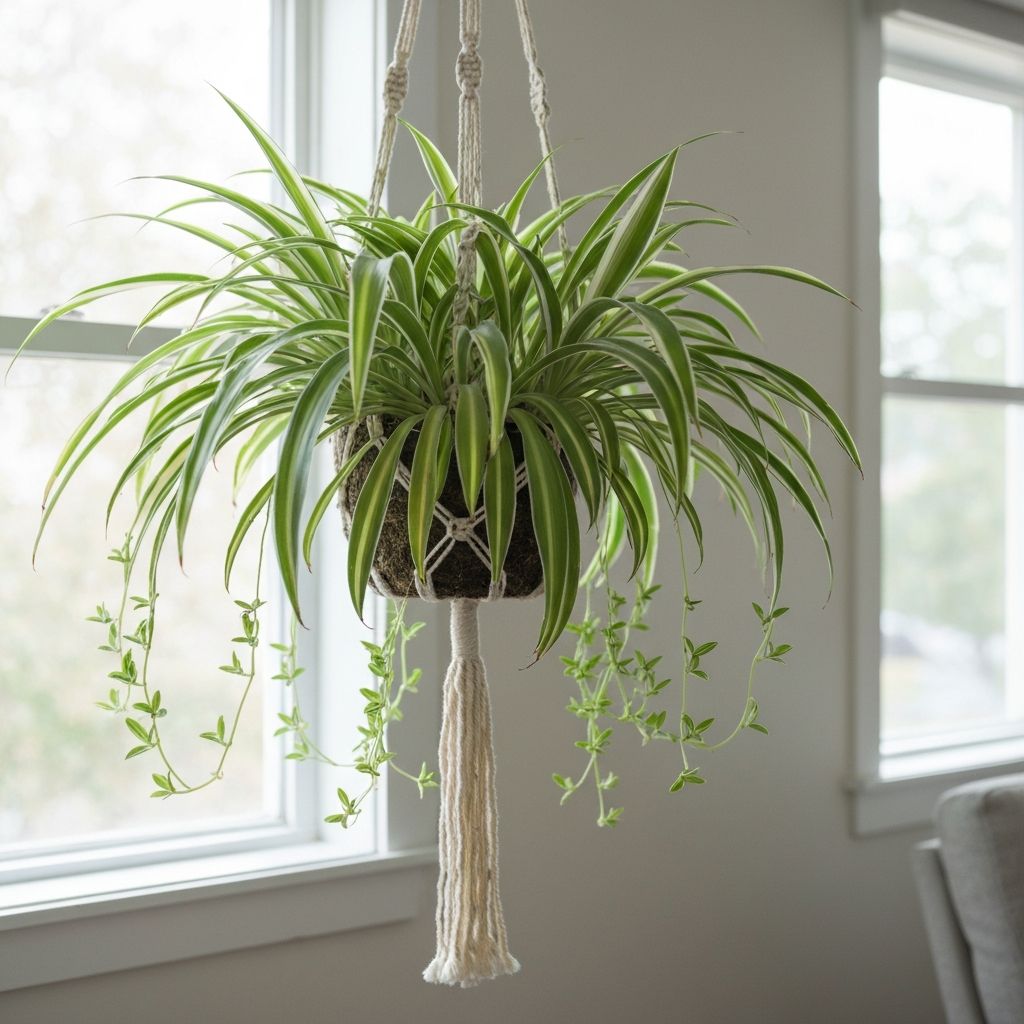
Spider Plant
Chlorophytum comosum
A classic houseplant with arching green and white striped leaves. Produces baby plantlets (spiderettes) on long stems that can be propagated easily. Extremely adaptable and great for hanging baskets.
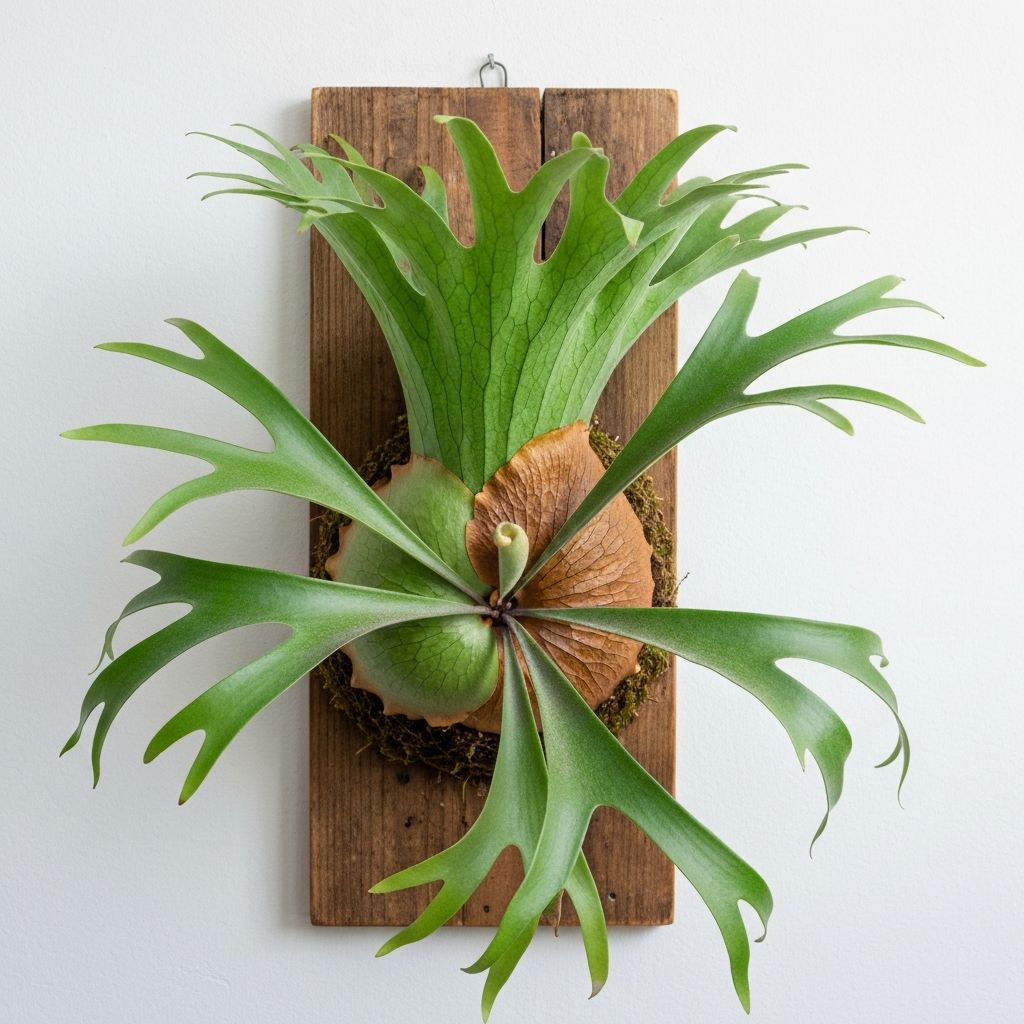
Staghorn Fern
Platycerium bifurcatum
A unique epiphytic fern with antler-shaped fronds that grows mounted on boards or in hanging baskets. Two types of fronds: shield fronds that anchor the plant and fertile fronds that give it its name.
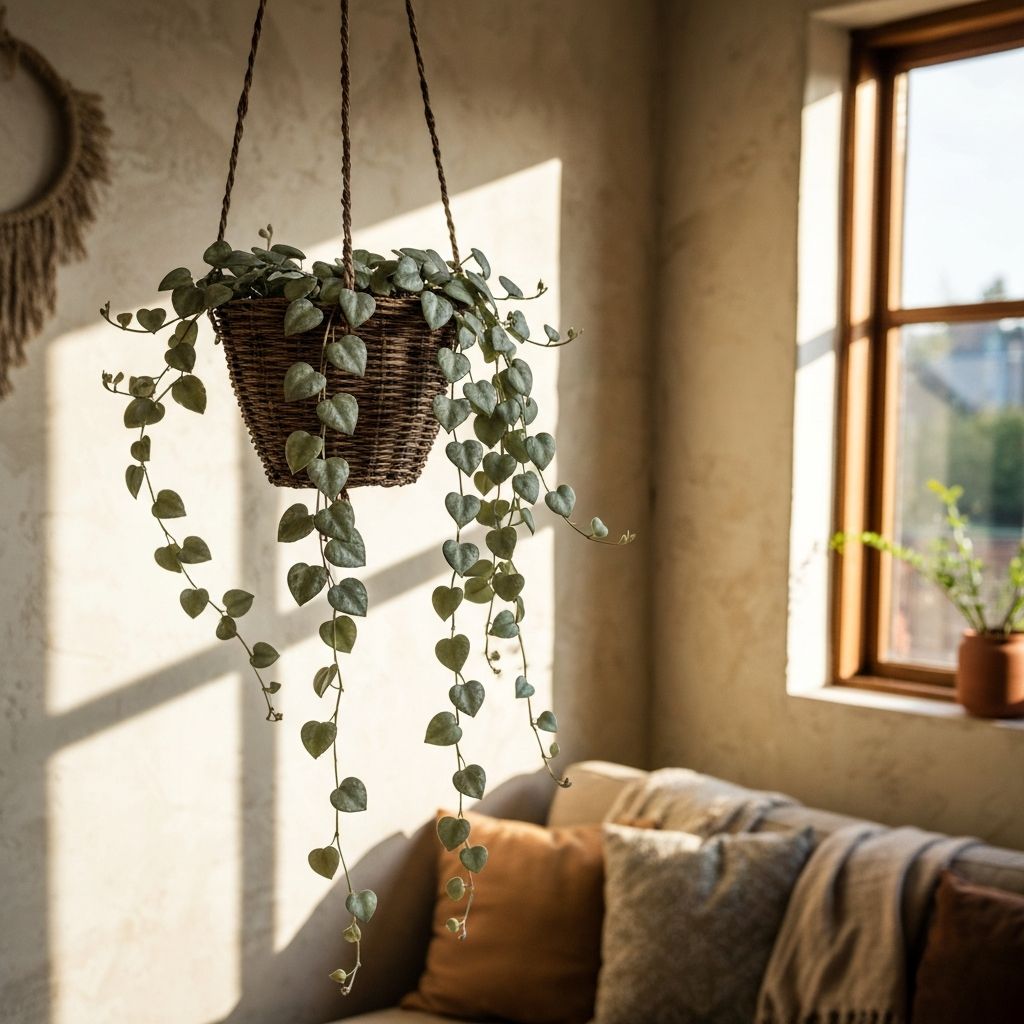
String of Hearts
Ceropegia woodii
A delicate trailing succulent with heart-shaped leaves on thin, wiry stems. The leaves are green with silver marbling on top and purple underneath. A romantic, easy-care plant.
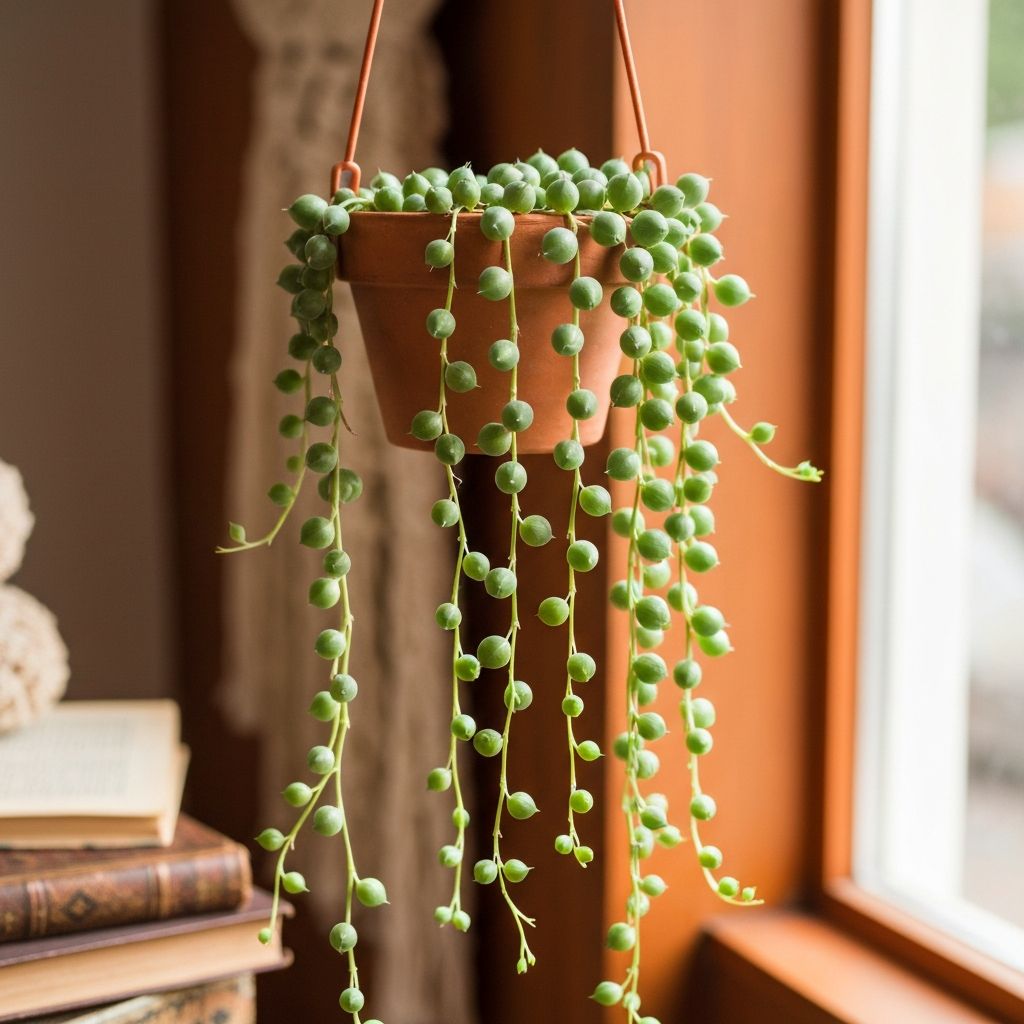
String of Pearls
Senecio rowleyanus
An eye-catching trailing succulent with spherical bead-like leaves strung along thin stems. Creates a stunning cascading effect in hanging baskets. Unique appearance but requires specific care to thrive.
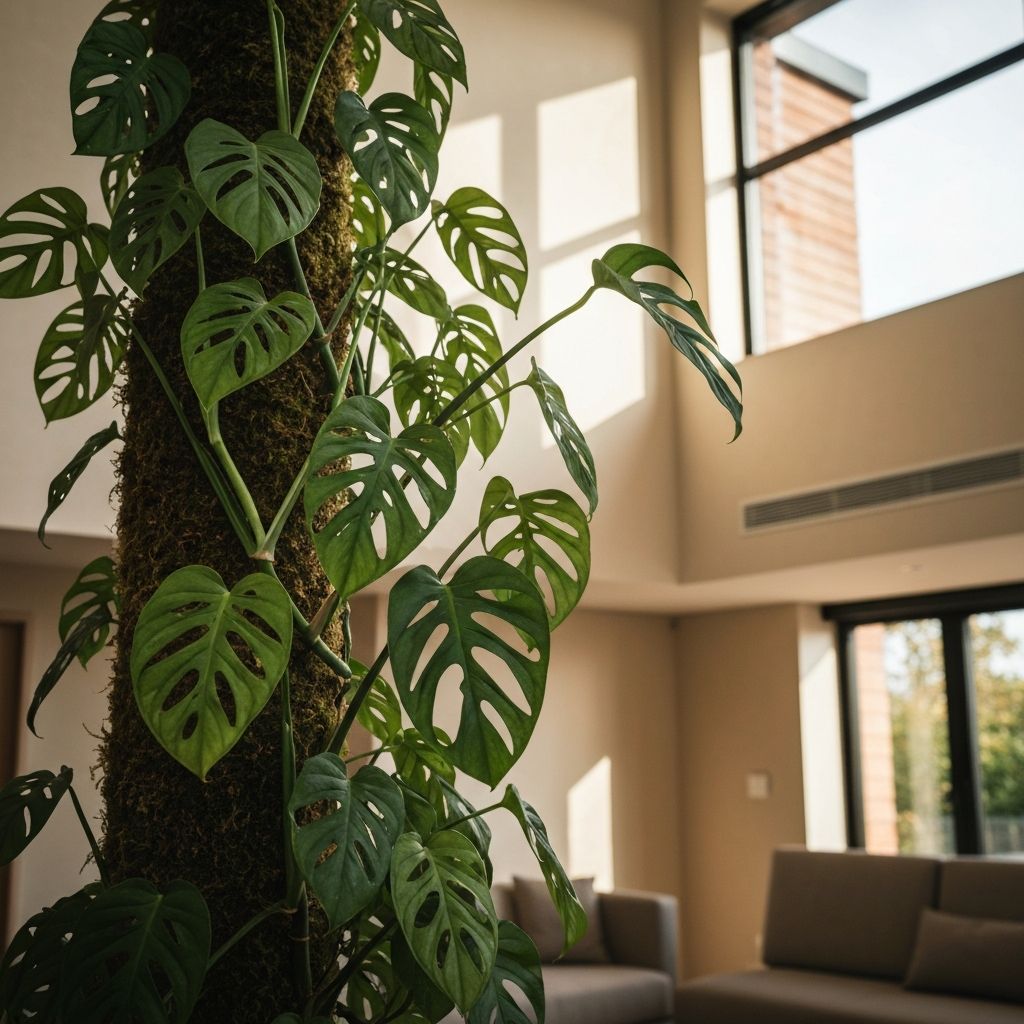
Swiss Cheese Vine
Monstera adansonii
The smaller, more manageable cousin of the Monstera deliciosa with heart-shaped leaves full of dramatic holes. A fast-growing vine that can trail or climb.
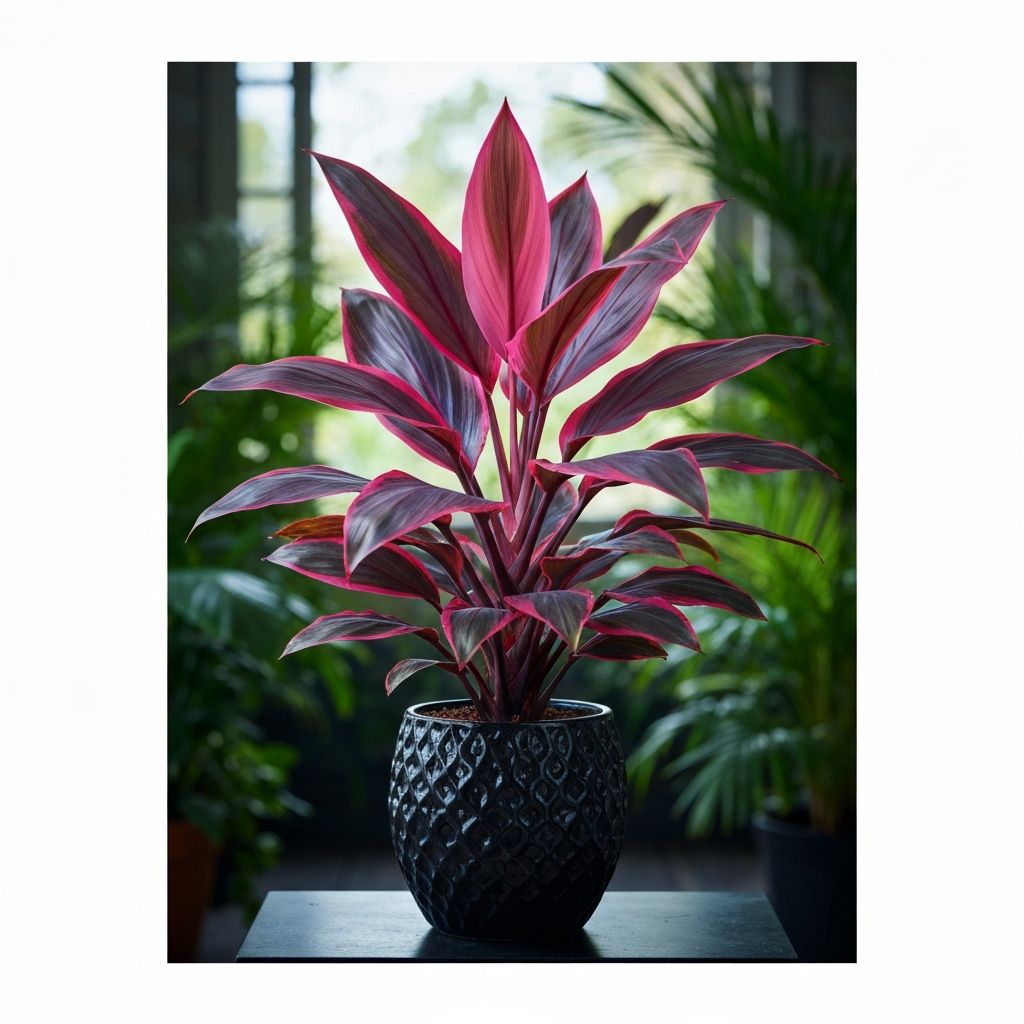
Ti Plant
Cordyline fruticosa
A tropical plant with dramatic sword-shaped leaves in vibrant colors including red, pink, purple, and variegated patterns. Adds instant tropical flair to any room.
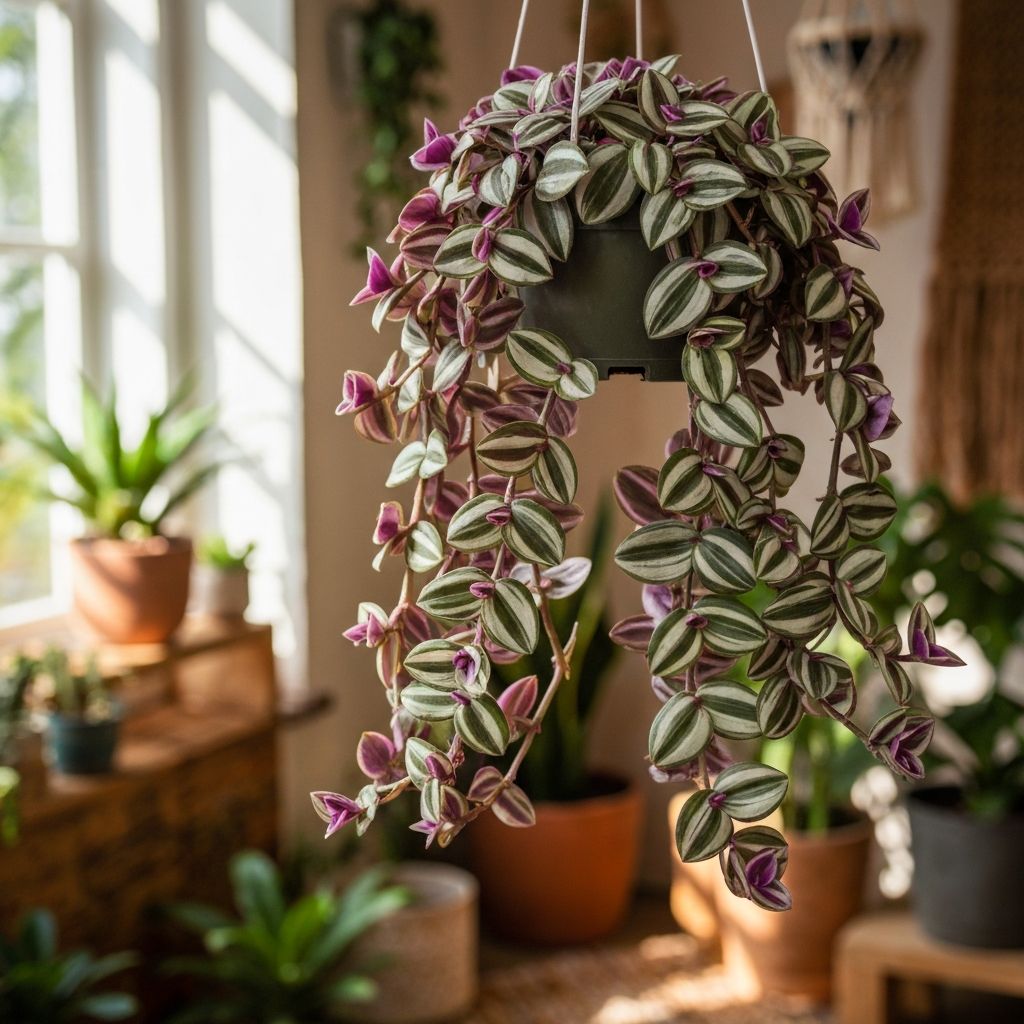
Tradescantia
Tradescantia zebrina
A fast-growing trailing plant with striking zebra-striped leaves in green, purple, and silver. Virtually indestructible and perfect for beginners.
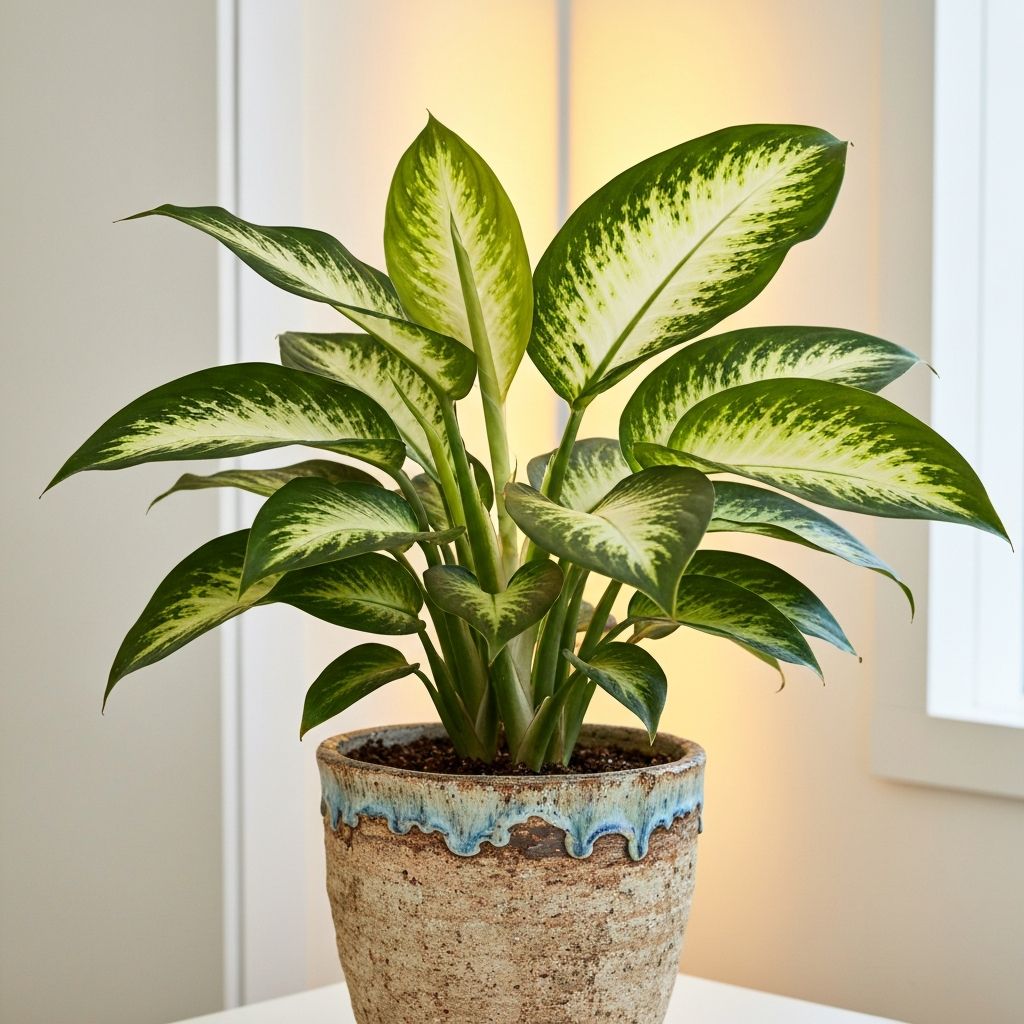
Tropic Snow Dieffenbachia
Dieffenbachia seguine 'Tropic Snow'
A popular variety of Dieffenbachia with large leaves featuring dramatic white and cream variegation. Makes a bold statement and grows quickly in the right conditions.
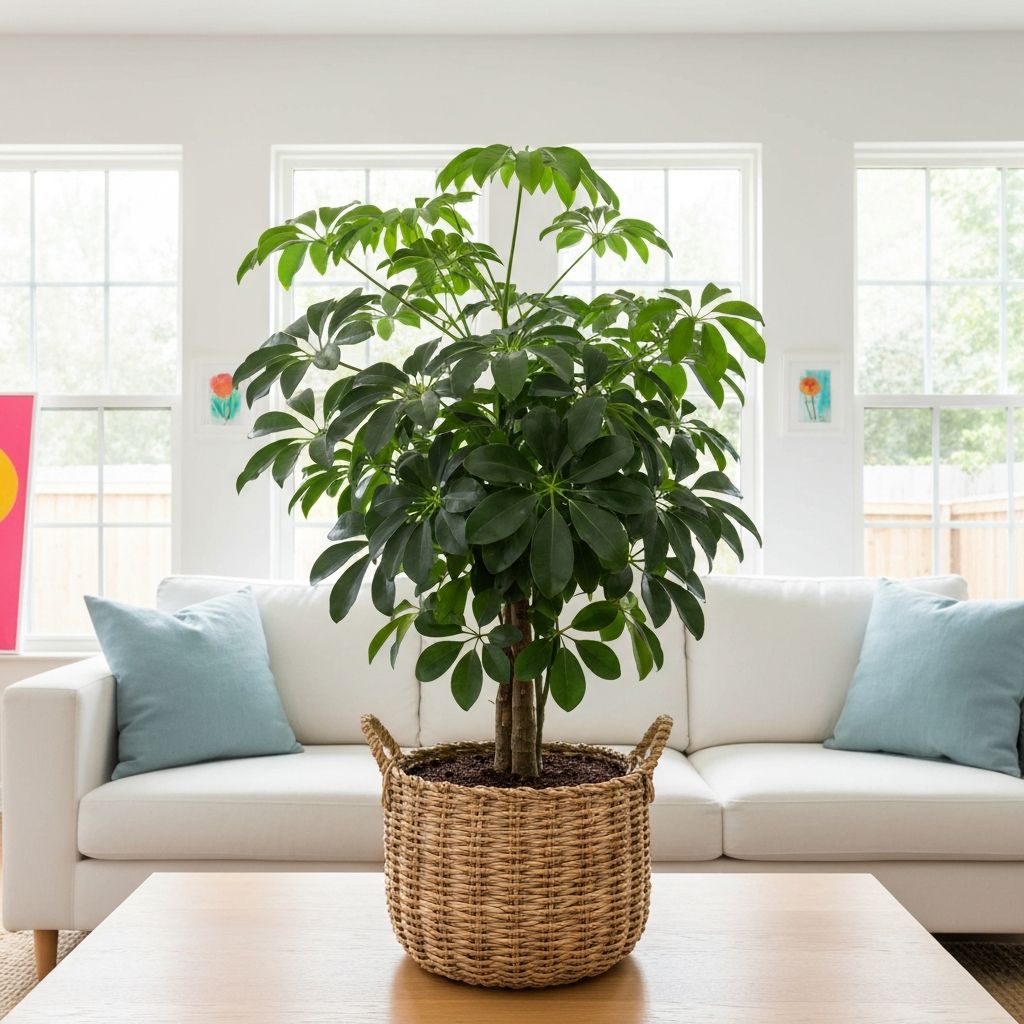
Umbrella Plant
Schefflera arboricola
Named for its umbrella-like arrangement of glossy leaves, this fast-growing plant can become a small indoor tree. Adaptable and forgiving, it brings a tropical feel to any room.
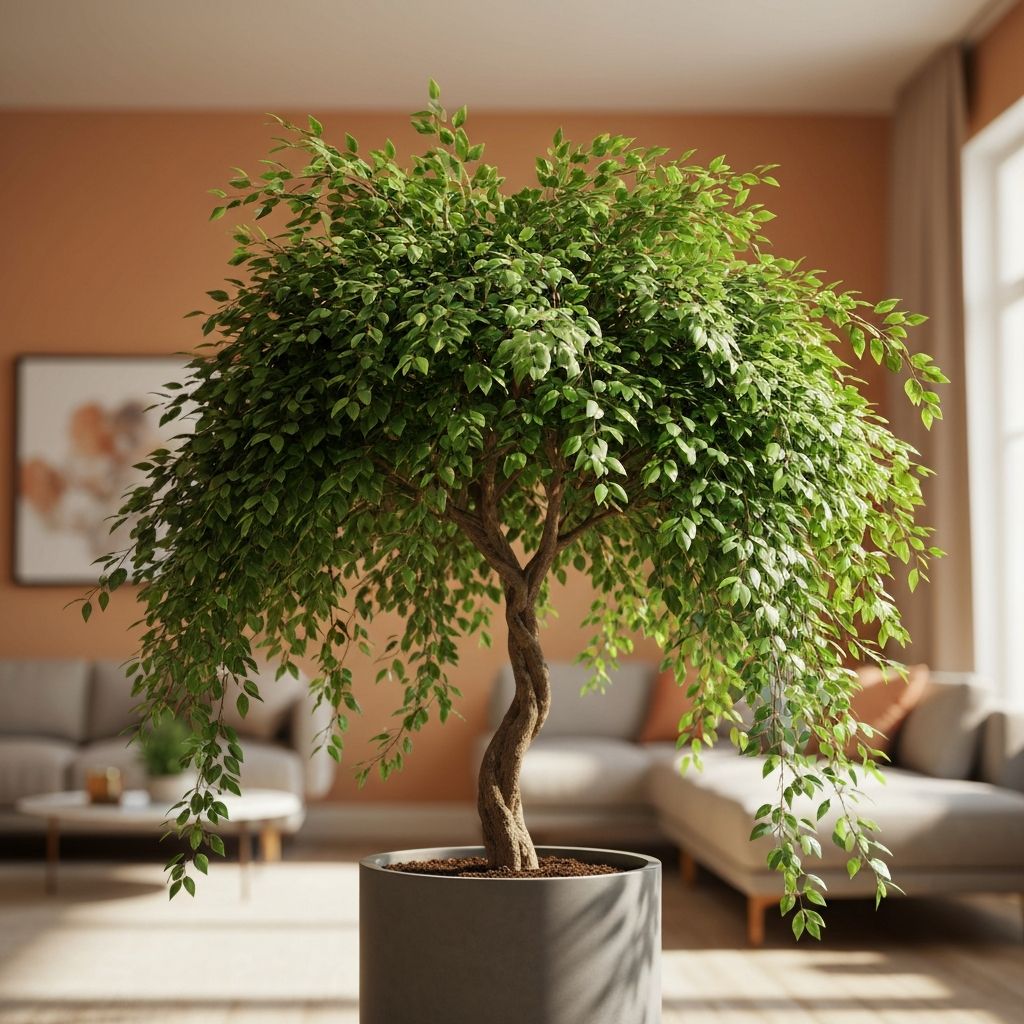
Weeping Fig
Ficus benjamina
A classic indoor tree with graceful weeping branches covered in small glossy leaves. Beautiful but notoriously fussy - hates change of any kind and will drop leaves in protest.
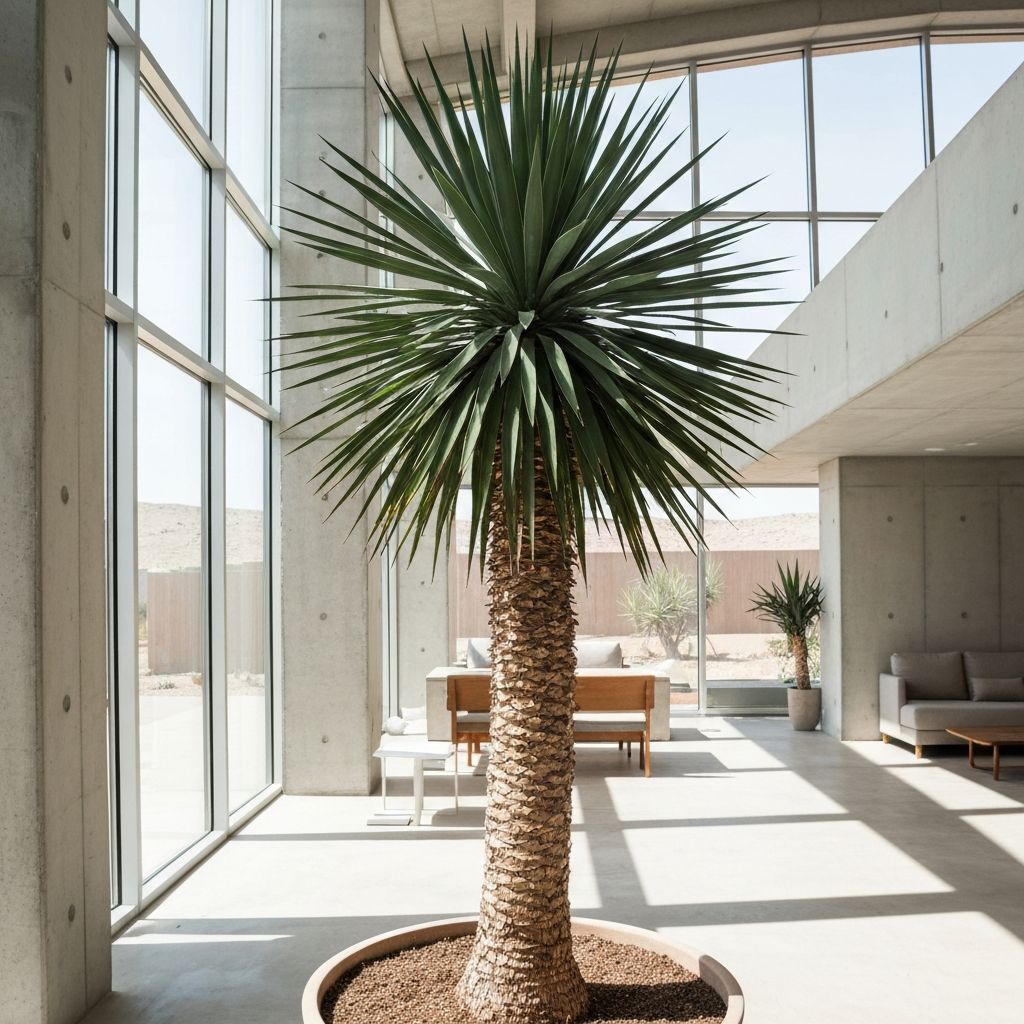
Yucca
Yucca elephantipes
A dramatic, sculptural plant with sword-like leaves atop a thick cane. Brings desert vibes indoors and is incredibly drought-tolerant. Can grow quite tall and makes a bold architectural statement.
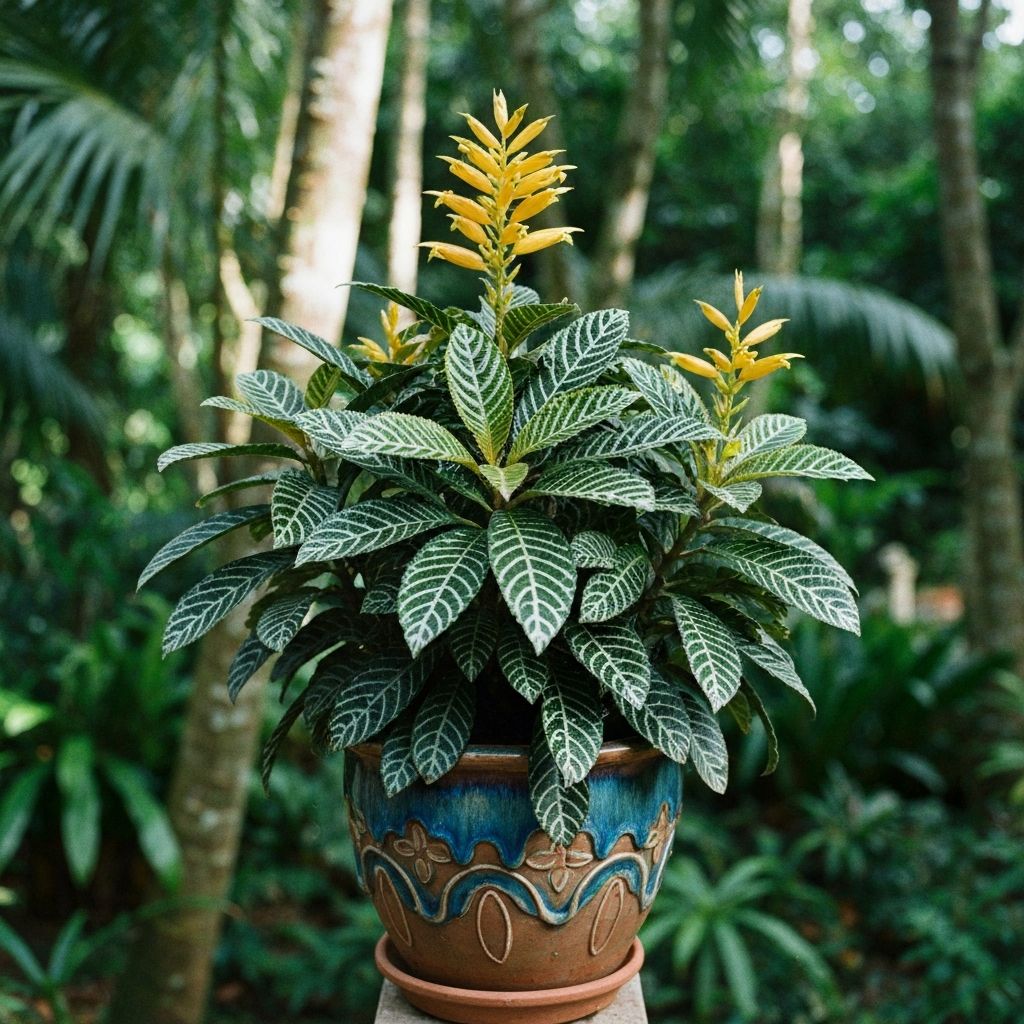
Zebra Plant
Aphelandra squarrosa
A striking tropical plant with dark green leaves dramatically striped with white veins, plus golden yellow flower bracts. Beautiful but demanding about humidity.
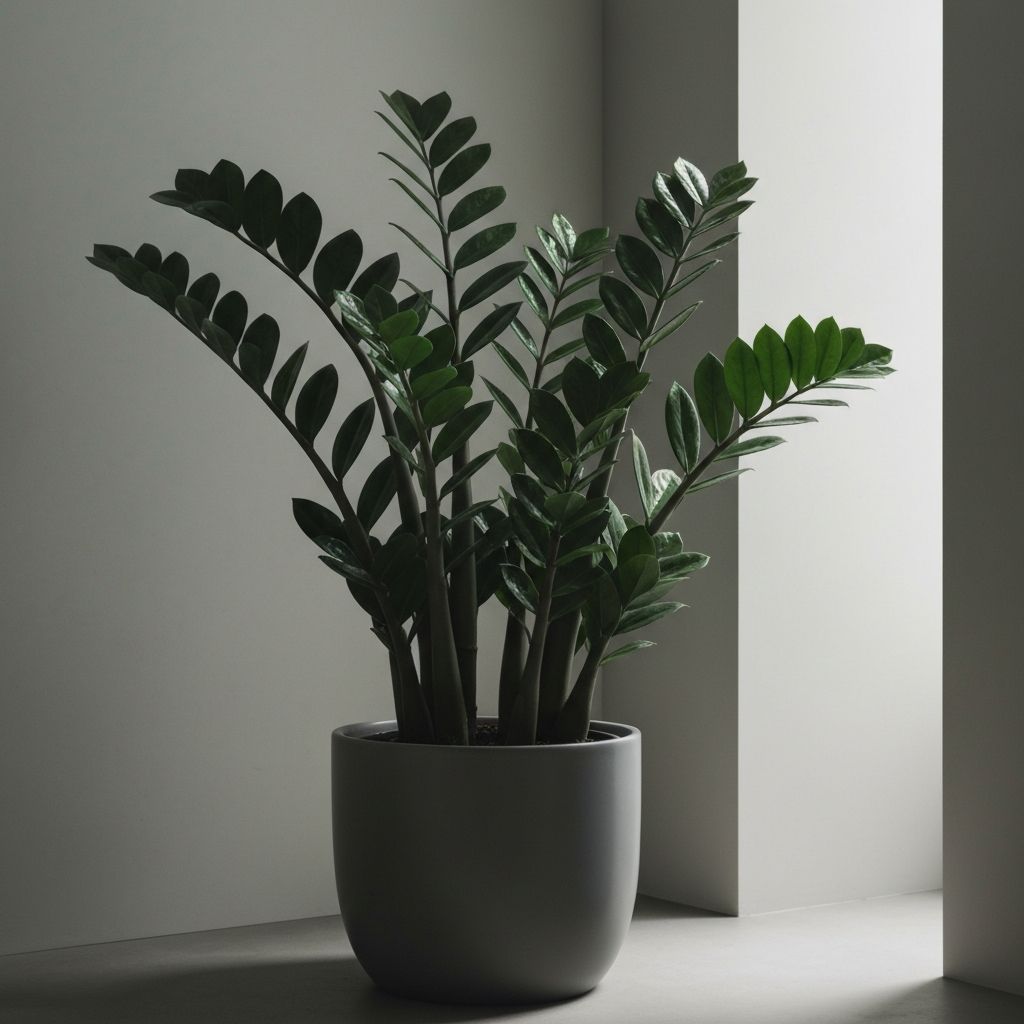
ZZ Plant
Zamioculcas zamiifolia
Known for its waxy, dark green leaves on thick stalks, the ZZ Plant is virtually indestructible. Thrives on neglect and can survive in very low light and without water for extended periods. Perfect for dark corners and forgetful waterers.
Backyard Foraging
Forage Wild Herbs for Tea
Discover the wild herbs growing in your area that you can harvest and brew into delicious, healing teas. Select your state to see what's available in your backyard.
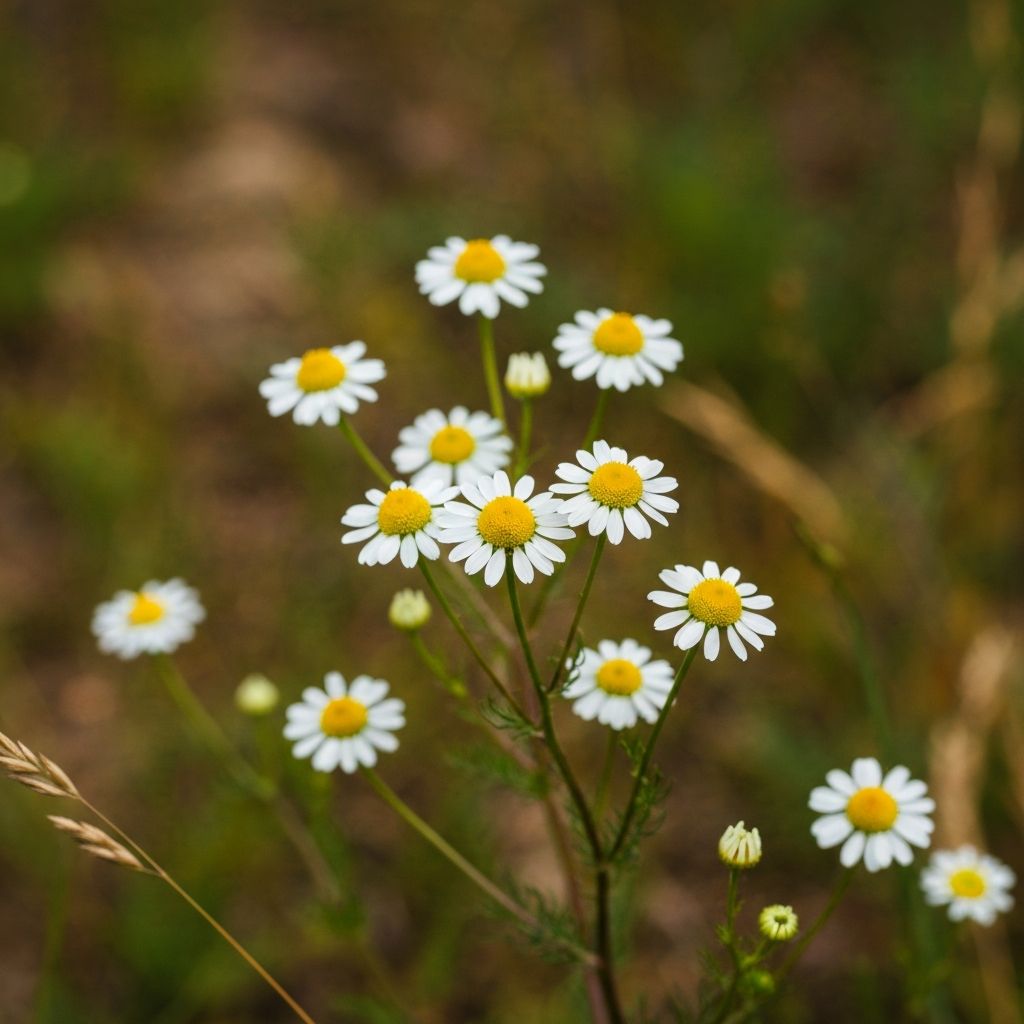
Wild Chamomile
Matricaria chamomilla
A gentle, apple-scented flower that has been used for centuries to promote relaxation and calm. Wild chamomile grows in meadows, roadsides, and disturbed areas throughout most of the United States.
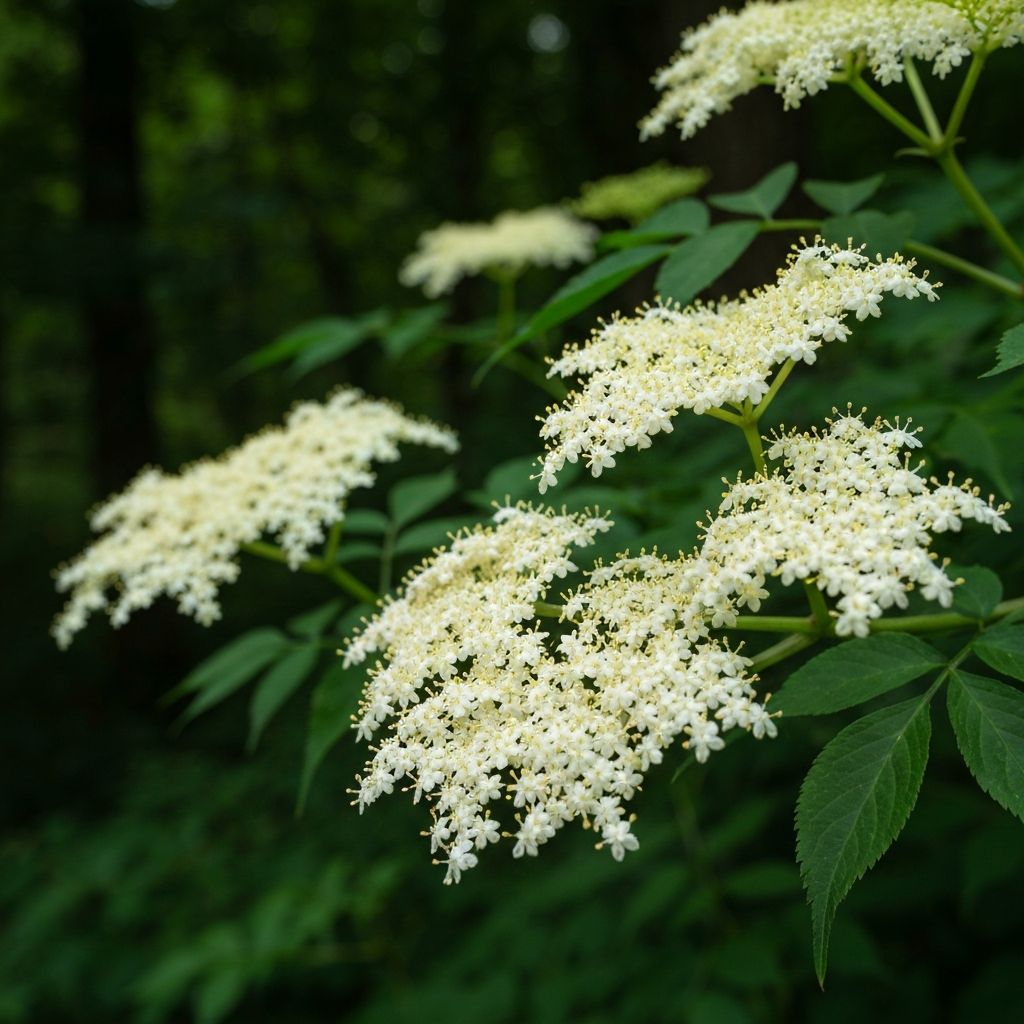
Elderflower
Sambucus nigra
The delicate, creamy-white blossoms of the elder tree offer a sweetly floral tea with numerous traditional uses. Found along forest edges, hedgerows, and stream banks.
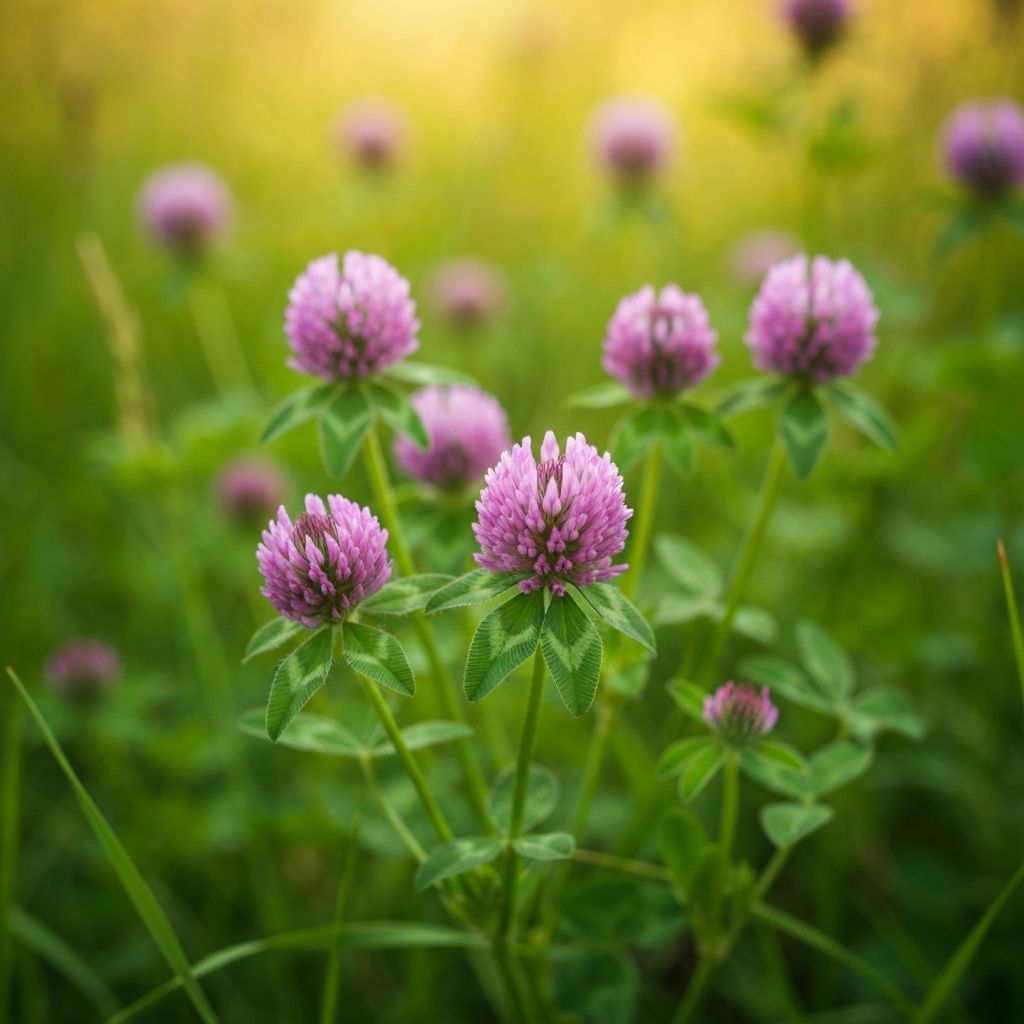
Red Clover
Trifolium pratense
A common meadow plant with distinctive pink-purple flower heads. Red clover has been used traditionally for its gentle cleansing properties and pleasant taste.
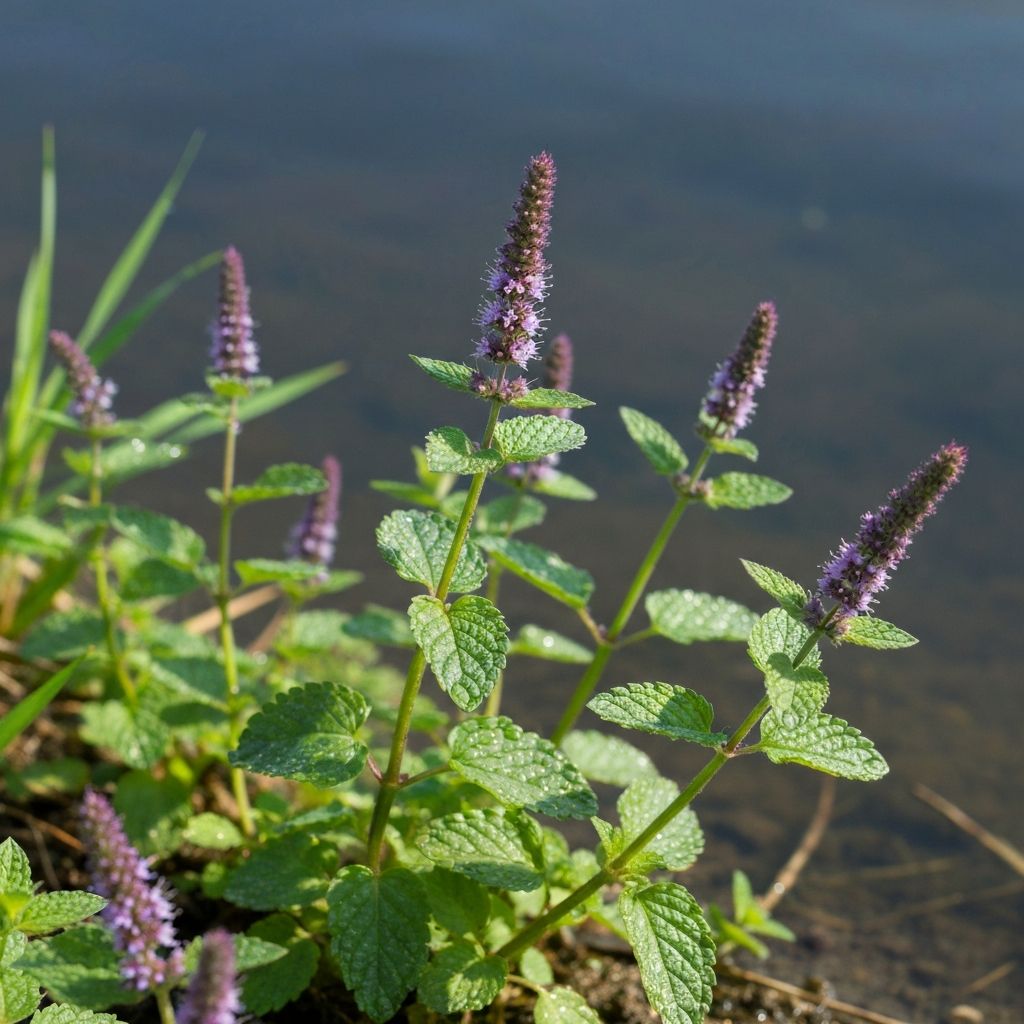
Wild Mint
Mentha arvensis
A refreshing and invigorating herb that grows along streams, wet meadows, and moist woodland edges. Wild mint offers all the cooling freshness of cultivated varieties with a more complex flavor.
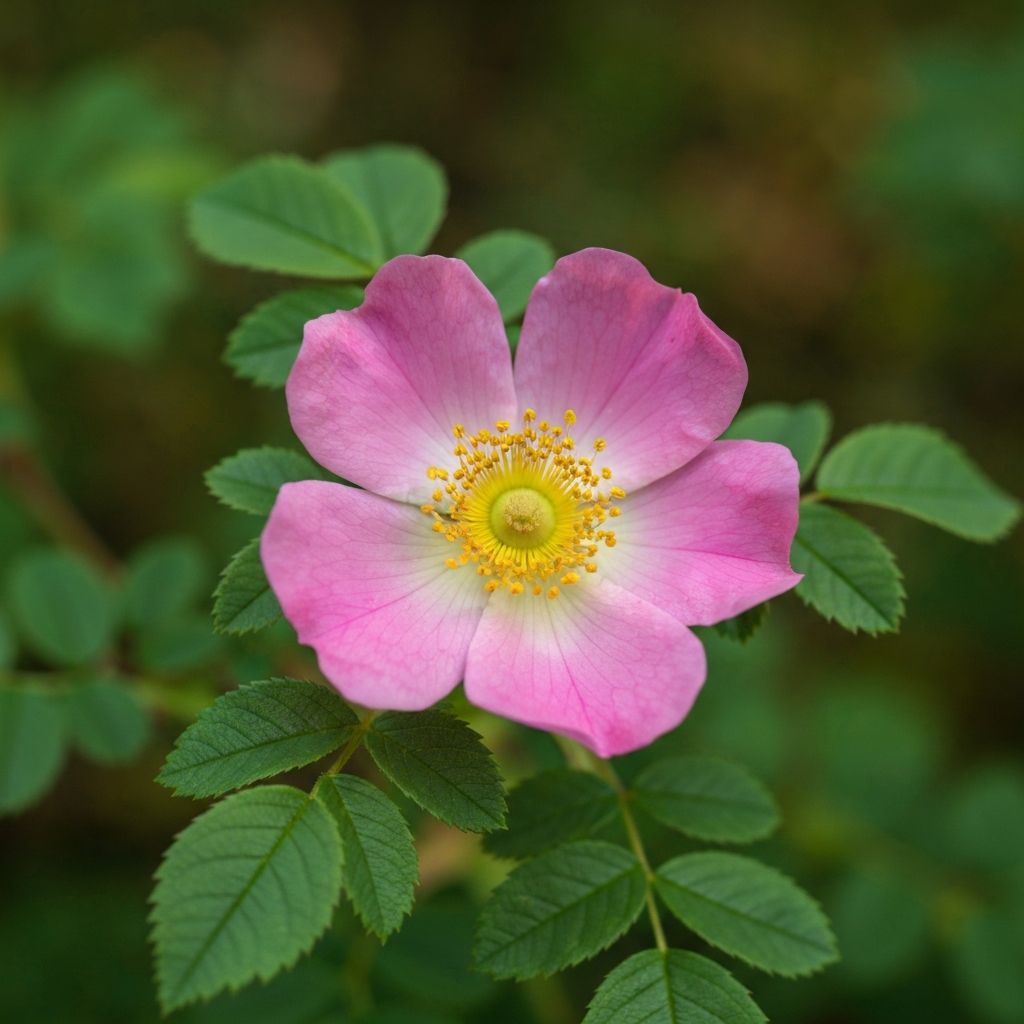
Wild Rose
Rosa species
The fragrant petals and vitamin-rich hips of wild roses make a beautiful and nourishing tea. Found in thickets, woodland edges, and prairies across North America.
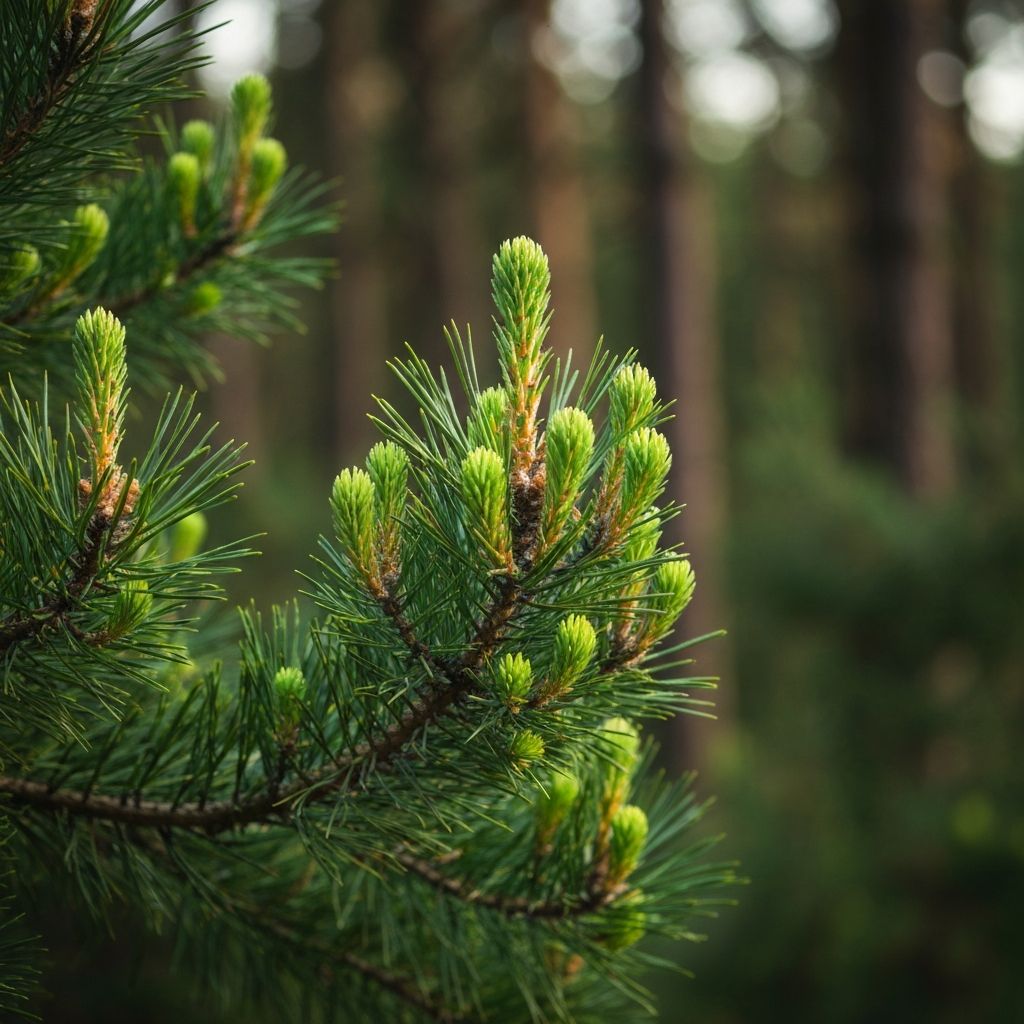
Pine Needle
Pinus species
Fresh pine needles create a surprisingly pleasant, citrusy tea packed with vitamins. Most pine species are safe to use, growing abundantly in forests across the country.
Foraging Safety Tips
Positive ID
Always be 100% certain of identification before consuming any wild plant
Clean Locations
Avoid areas near roads, pesticide use, or industrial pollution
Sustainable Harvest
Take only what you need and leave plenty for wildlife and regrowth
Know Cautions
Research potential interactions with medications or health conditions
About Fernova
Your Plant Care Companion
Thriving Indoor Spaces
Houseplants do more than beautify your home - they purify the air, boost your mood, and create a connection to nature in your daily life. Our comprehensive care guides help you become a confident plant parent.
No More Guesswork
Knowing when and how much to water is the biggest challenge for new plant owners. Our guides include specific watering schedules, signs of over and underwatering, and troubleshooting tips to keep your plants healthy.
Backyard Foraging
Beyond houseplants, discover the wild herbs growing naturally in your area that can be harvested for delicious, healing teas. Connect with nature and enjoy the rewarding practice of sustainable foraging.
Pet-Friendly Options
Many popular houseplants are toxic to pets. We clearly mark which plants are safe for your furry friends, so you can create a beautiful home without worrying about your pets' safety.
Plant Care Tips
Check Before Watering: Always check the soil moisture before watering. Stick your finger 2 inches into the soil - if it's dry, it's time to water.
Right Light, Right Place: Match your plant's light requirements to your space. Low-light plants thrive in darker rooms; sun-lovers need bright windows.
Don't Repot Too Soon: Most plants prefer to be slightly rootbound. Only repot when roots are growing out of drainage holes.
Clean Those Leaves: Dust blocks light and hinders photosynthesis. Wipe leaves with a damp cloth monthly for healthier, happier plants.
Foraging Safety
Positive Identification: Never consume any wild plant unless you are 100% certain of its identity. Many edible plants have toxic look-alikes.
Harvest Responsibly: Only take what you need, never harvest from polluted areas or places that may have been sprayed with chemicals.
Consult Professionals: If you are pregnant, nursing, or have health conditions, consult a healthcare provider before using herbal teas.